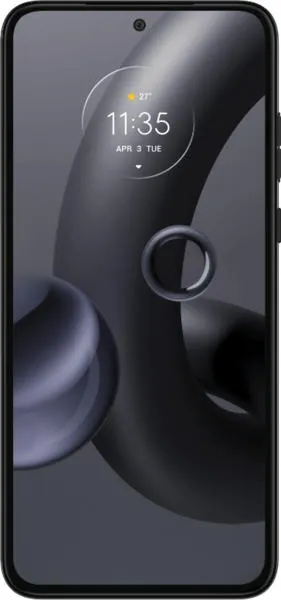
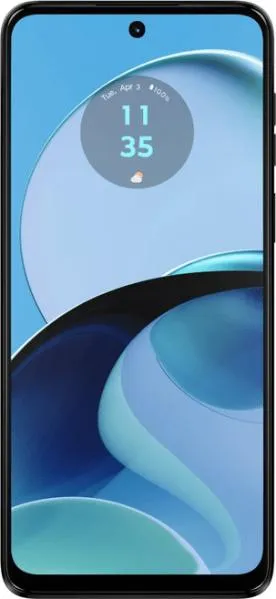
Let's dive into a comparative analysis of the Motorola Edge 30 Neo and the Motorola Moto G14, dissecting their technical specifications and translating them into real-world implications for you.
1. Specifications Breakdown
| Feature | Motorola Edge 30 Neo | Motorola Moto G14 | Real-World Implications |
|---|---|---|---|
| Design | |||
| Dimensions (mm) | 152.9 x 71.2 x 7.8 | 161.5 x 73.8 x 8.0 | Edge 30 Neo is noticeably more compact and pocketable. |
| Weight (g) | 155 | 177 | Edge 30 Neo feels lighter in hand, reducing fatigue during extended use. |
| Build Materials | Glass front, plastic back | Plastic | Edge 30 Neo offers a more premium feel with its glass front. G14 prioritizes durability with its full plastic build. |
| Display | |||
| Type | P-OLED, 120Hz | IPS LCD | Edge 30 Neo delivers deeper blacks, more vibrant colors, and smoother scrolling thanks to the higher refresh rate P-OLED display. |
| Size | 6.28" | 6.5" | G14 offers a slightly larger screen for media consumption, while the Edge 30 Neo is more one-hand friendly. |
| Resolution | 1080 x 2400 | 1080 x 2400 | Both phones offer sharp visuals with Full HD+ resolution. |
| Performance | |||
| Chipset | Snapdragon 695 5G | Unisoc Tiger T616 | Edge 30 Neo boasts a more powerful and efficient processor, resulting in smoother multitasking and better gaming performance. |
| CPU | Octa-core (2x2.2 GHz & 6x1.7 GHz) | Octa-core (2x2.0 GHz & 6x1.8 GHz) | Edge 30 Neo offers a slight edge in processing power. |
| GPU | Adreno 619 | Mali-G57 MP1 | Edge 30 Neo provides a significantly better graphical performance for demanding games and apps. |
| RAM | 8GB | 4/8GB | Edge 30 Neo's standard 8GB RAM ensures smoother multitasking and app switching. G14 offers a 4GB RAM option which might lead to performance limitations. |
| Camera | |||
| Main Camera | 64MP, f/1.8 | 50MP, f/1.8 | Both phones offer capable main cameras, but image quality will depend on factors beyond resolution. Real-world testing is needed for a definitive comparison. |
| Selfie Camera | 32MP | 8MP | Edge 30 Neo boasts a significantly higher resolution selfie camera for sharper self-portraits. |
| Battery Life | |||
| Capacity | 4020 mAh | 5000 mAh | Moto G14 likely offers longer battery life due to its larger battery capacity. However, real-world usage will vary. |
| Charging | Fast Charging | Standard Charging | Edge 30 Neo will likely charge faster. |
| Other | |||
| 5G | Yes | No | Edge 30 Neo provides access to faster 5G networks for improved download and streaming speeds. |
| OS | Android 12 (up to 15) | Android 13 | Edge 30 Neo has a confirmed upgrade path to Android 15, while future updates for the G14 are unclear. |
| Price Range | Medium | Low | Moto G14 is significantly more affordable. |
2. Key Insights
The Motorola Edge 30 Neo shines with its superior display, performance, and overall user experience. The 120Hz P-OLED display is a visual treat, and the Snapdragon 695 ensures smooth performance. Its compact form factor and 5G connectivity add to its appeal.
The Motorola Moto G14 excels in battery life thanks to its larger 5000 mAh battery. It's a budget-friendly option that doesn't compromise on essential features like a Full HD+ display and decent camera hardware.
3. User Profiles and Recommendations
Edge 30 Neo: Suited for users who prioritize performance, a vibrant display, compact design, and 5G connectivity. Ideal for mobile gaming, content creation, and multitasking.
Moto G14: Best for budget-conscious users who prioritize long battery life and reliable everyday performance. Suitable for casual users, students, and those seeking a basic smartphone experience.
4. Buying Decision Framework
- What's your budget? If price is a major constraint, the G14 offers excellent value.
- Do you need 5G? If future-proofing and fast data speeds are crucial, the Edge 30 Neo is the clear winner.
- What kind of user are you? If you demand a smooth, premium experience with a great display, the Edge 30 Neo is worth the extra cost. If you prioritize battery life and basic functionality, the G14 will suffice.
My Choice: Motorola Edge 30 Neo
If I were choosing between these two, I'd go for the Motorola Edge 30 Neo. While the Moto G14 offers incredible value, I personally value the smoother performance, vibrant P-OLED display with a higher refresh rate, 5G connectivity, and the more compact design offered by the Edge 30 Neo. The difference in price is justifiable for the significant jump in overall user experience. As a tech enthusiast, those features greatly enhance my daily interaction with a smartphone, making the Edge 30 Neo a more compelling choice for my needs.
