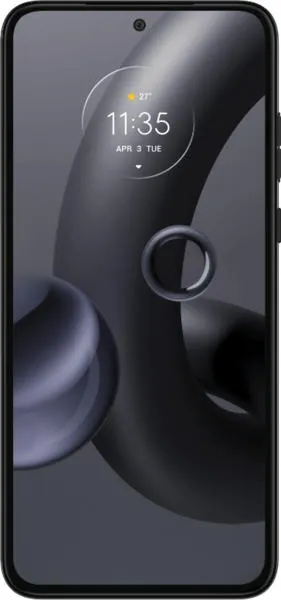
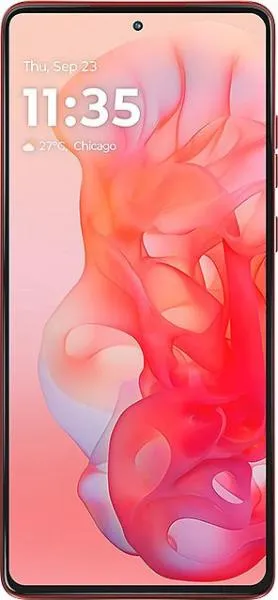
Motorola Edge 30 Neo vs. Motorola Moto G Stylus 5G (2024): A Comparative Analysis
Let's dive into a detailed comparison of the Motorola Edge 30 Neo and the Motorola Moto G Stylus 5G (2024), dissecting their specifications and uncovering what they mean for you, the user.
1. Specifications Breakdown
| Feature | Motorola Edge 30 Neo | Motorola Moto G Stylus 5G (2024) | Real-World Implications |
|---|---|---|---|
| Design | |||
| Dimensions (mm) | 152.9 x 71.2 x 7.8 | 162.6 x 74.8 x 8.3 | Neo is significantly more compact and pocketable. Stylus is larger, potentially less comfortable for one-handed use. |
| Weight (g) | 155 | 190 | Neo is noticeably lighter, reducing hand fatigue during extended use. Stylus has more heft, might feel more premium to some. |
| Display | |||
| Type | P-OLED, 120Hz | P-OLED, 1B colors, 120Hz | Both offer smooth scrolling and vibrant colors thanks to OLED tech and 120Hz refresh rate. Stylus boasts a wider color gamut (1B colors) for potentially more accurate color reproduction. |
| Size | 6.28" | 6.7" | Stylus provides a larger screen for media consumption and multitasking, Neo offers a more compact one-handed experience. |
| Resolution | 1080 x 2400 | 1080 x 2400 | Sharpness is comparable despite the size difference, due to similar pixel density. |
| Performance | |||
| Chipset | Snapdragon 695 5G | Snapdragon 6 Gen 1 | Stylus features a newer, more powerful chipset, promising smoother performance in demanding tasks and potentially better power efficiency. |
| CPU | Octa-core (2.2 GHz) | Octa-core (2.2 GHz) | Comparable CPU clock speeds suggest similar performance in everyday tasks, but architectural differences in the Stylus's newer processor may provide an edge in sustained performance. |
| RAM | 8GB | 8GB | Both offer ample RAM for multitasking and smooth app switching. |
| Camera | |||
| Main Camera | 64MP | 50MP | Neo has a higher megapixel count, Stylus boasts a larger sensor (1/1.56" vs 1/2"). Image quality will likely depend more on processing and sensor quality than pure resolution. Low-light performance needs real-world testing to determine a winner. |
| Battery Life | |||
| Capacity | 4020 mAh | 5000 mAh | Stylus has a significantly larger battery, suggesting longer usage time. Real-world battery life will depend on usage patterns and optimization. |
| Other | |||
| Stylus | No | Yes | Stylus offers precise input for note-taking and drawing. |
| OS | Android 12 | Android 14 | Stylus ships with a newer Android version, offering potential feature and security advantages. |
2. Key Insights
- Performance: The Moto G Stylus 5G (2024), with its Snapdragon 6 Gen 1, likely edges out the Edge 30 Neo in processing power and efficiency.
- Battery: The Stylus's massive 5000 mAh battery promises significantly longer battery life compared to the Neo.
- Display: Both phones deliver excellent displays with vibrant colors and smooth refresh rates. The Stylus's larger screen enhances media consumption. The Stylus also boasts a billion color display, allowing for subtle variations in colors.
- Camera: While megapixel counts differ, real-world image quality will depend heavily on factors beyond resolution. The Stylus's larger sensor might deliver better low-light performance, but comprehensive testing is needed.
- Size and Stylus: The Edge 30 Neo is significantly smaller and lighter, ideal for one-handed use. The Stylus, as the name suggests, offers stylus functionality for note-taking and drawing, and a larger display to utilize the stylus.
3. User Profiles and Recommendations
- Edge 30 Neo: Best suited for users prioritizing portability, compact design, and vibrant visuals in a lightweight package. Ideal for those who value one-handed usability and don't require a stylus.
- Moto G Stylus 5G (2024): A great choice for users who need a large screen for productivity, media consumption, note-taking with the integrated stylus, and extended battery life.
4. Buying Decision Framework
- Do you prioritize portability and one-handed use? If yes, the Edge 30 Neo is the clear winner.
- How important is battery life to you? The Stylus's larger battery will likely provide significantly longer usage time.
- Do you need a stylus for note-taking or drawing? This is a defining feature of the Stylus and a key differentiator.
My Choice: I would choose the Motorola Moto G Stylus 5G (2024). While I appreciate the compact design of the Edge 30 Neo, the Stylus's combination of a larger battery, newer processor with improved performance, stylus functionality for productivity, a billion color display, and a more modern Android OS makes it a more compelling overall package for my needs. The slightly larger size is a trade-off I'm willing to make for the added benefits. I frequently use my phone for note taking, sketching diagrams, and extended work sessions, making the stylus and larger battery essential. The newer processor also future-proofs the device, ensuring smoother performance for longer.
