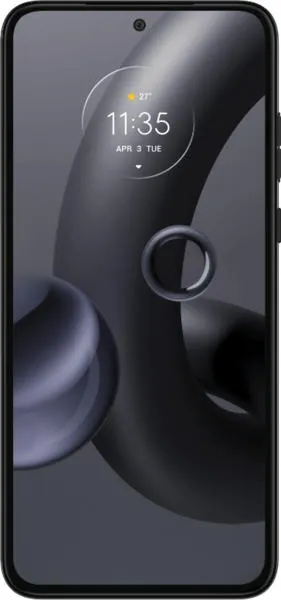
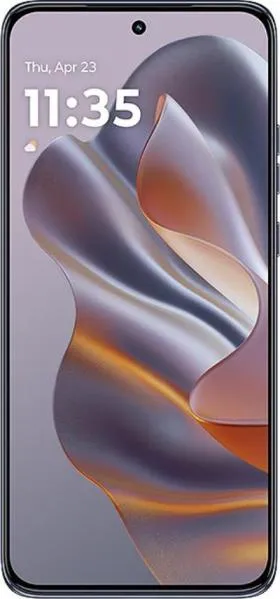
Let's dive into a comparative analysis of the Motorola Edge 30 Neo and the Motorola Edge 50 Neo, dissecting their specifications and translating them into real-world implications for you.
1. Specifications Breakdown
| Feature | Motorola Edge 30 Neo | Motorola Edge 50 Neo | Real-World Implications |
|---|---|---|---|
| Design | |||
| Dimensions (mm) | 152.9 x 71.2 x 7.8 | 164.1 x 71.2 x 8.1 | Edge 30 Neo is slightly smaller and thinner, potentially offering a more comfortable one-handed grip. |
| Weight (g) | 155 | 171 | Edge 30 Neo is noticeably lighter, reducing hand fatigue during extended use. |
| Display | |||
| Type | P-OLED | LTPO P-OLED | Both offer vibrant colors and deep blacks. Edge 50 Neo's LTPO panel enables dynamic refresh rate adjustment for improved battery efficiency. |
| Size (inches) | 6.28 | 6.55 | Edge 50 Neo provides a larger screen for more immersive content consumption. |
| Resolution (px) | 1080 x 2400 | 1256 x 2760 | Edge 50 Neo boasts a sharper display with higher pixel density, resulting in crisper text and images. |
| Refresh Rate (Hz) | 120 | 120 | Both offer smooth scrolling and animations. |
| Performance | |||
| Chipset | Snapdragon 695 | Dimensity 7300 | Edge 50 Neo's Dimensity 7300, built on a 4nm process, promises significantly better performance and power efficiency than the 6nm Snapdragon 695. |
| CPU | Octa-core (2.2 GHz) | Octa-core (2.6 GHz) | Edge 50 Neo has a faster CPU, enabling quicker app launches and smoother multitasking. |
| GPU | Adreno 619 | Mali-G615 MC2 | While benchmarks would provide more concrete data, the Mali-G615 MC2 in the Edge 50 Neo is likely to offer a slight edge in graphics performance. |
| RAM (GB) | 8 | 12 | Edge 50 Neo offers more RAM, allowing for more apps to run in the background without reloading. |
| Camera | |||
| Main Camera (MP) | 64 | 50 | Edge 30 Neo has a higher megapixel count, but sensor size and other factors also influence image quality. Real-world testing is needed. |
| Ultrawide (MP) | 13 | 13 | Similar ultrawide capabilities on both devices. |
| Selfie (MP) | 32 | 32 | Comparable selfie cameras on paper. |
| Battery Life | |||
| Capacity (mAh) | 4020 | 5000 | Edge 50 Neo packs a substantially larger battery, potentially translating to significantly longer usage time. |
2. Key Insights
The Motorola Edge 50 Neo emerges as the clear winner in terms of raw specifications, boasting a superior display, a more powerful processor, more RAM, and a significantly larger battery. Its LTPO display technology should also contribute to better battery management. The Edge 30 Neo, however, counters with a lighter and more compact design, which some users might find more appealing for everyday use.
3. User Profiles and Recommendations
Edge 30 Neo: Ideal for users prioritizing a compact and lightweight phone for casual use, social media, and light gaming. Its lower price point makes it a budget-friendly option.
Edge 50 Neo: Best suited for power users demanding top-tier performance, a vibrant and large display, extended battery life, and ample storage. Perfect for demanding tasks, gaming, and media consumption.
4. Buying Decision Framework
- What is your budget? The Edge 30 Neo offers excellent value for its price, while the Edge 50 Neo commands a premium for its enhanced features.
- What is your usage pattern? Heavy users will appreciate the Edge 50 Neo's performance and battery life. Casual users might find the Edge 30 Neo's compact form factor more convenient.
- Which features are most important to you? Prioritize a longer battery life and smoother performance? Choose the Edge 50 Neo. If portability and affordability are paramount, the Edge 30 Neo is a solid contender.
My Choice: Motorola Edge 50 Neo
If I were choosing between these two, I'd opt for the Motorola Edge 50 Neo. The significant advancements in performance, battery life, and display quality are compelling. While the Edge 30 Neo offers a more compact design, the superior user experience provided by the Edge 50 Neo's powerful hardware, larger battery, and sharper display outweighs the size and weight difference for me. The leap in chipset technology from the Snapdragon 695 to the Dimensity 7300, coupled with the increased RAM and larger battery, promises a noticeable improvement in daily use – from smoother multitasking and faster app loading to significantly extended battery life. As someone who values a fluid and responsive mobile experience, I'm willing to embrace the slightly larger form factor for the substantial gains in overall performance and usability. The price difference is justifiable considering the generational leap in technology.
