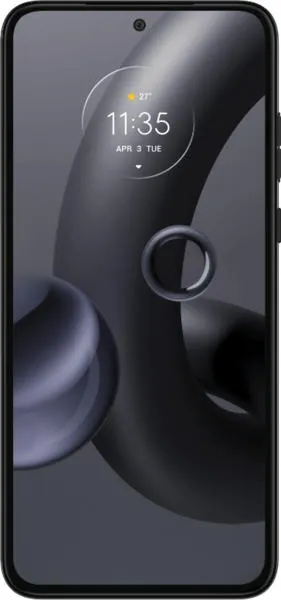
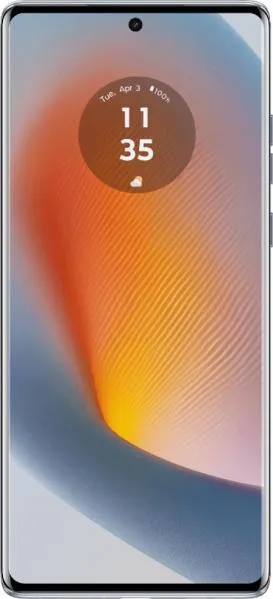
Motorola Edge 30 Neo vs. Motorola Edge 50 Fusion: A Detailed Comparison
Let's dive into a head-to-head comparison of the Motorola Edge 30 Neo and the Motorola Edge 50 Fusion, dissecting their specifications and uncovering what they truly offer in terms of real-world performance.
1. Specifications Breakdown
| Feature | Motorola Edge 30 Neo | Motorola Edge 50 Fusion | Real-World Implications |
|---|---|---|---|
| Design | |||
| Dimensions (mm) | 152.9 x 71.2 x 7.8 | 161.9 x 73.1 x 7.9 | Neo is significantly more compact, pocketable, and easier to handle one-handed. |
| Weight (g) | 155 | 174.9 | Neo is noticeably lighter, reducing hand fatigue during extended use. |
| Display | |||
| Type | P-OLED, 120Hz | P-OLED, 120/144Hz | Both offer smooth scrolling and animations; Fusion potentially smoother in some regions. |
| Size | 6.28" | 6.7" | Fusion provides a larger screen for media consumption; Neo better for one-handed use. |
| Resolution | 1080 x 2400 | 1080 x 2400 | Comparable sharpness; Fusion has slightly lower pixel density due to larger size. |
| Performance | |||
| Chipset | Snapdragon 695 5G | Snapdragon 7s Gen 2 | Fusion boasts a newer, more powerful processor for demanding tasks and gaming. |
| CPU | Octa-core (2.2 GHz) | Octa-core (2.4 GHz) | Fusion offers faster clock speeds, translating to improved responsiveness. |
| RAM | 8GB | 8GB | Both offer ample RAM for multitasking; sufficient for most users. |
| Camera | |||
| Main Sensor | 64MP | 50MP | Neo has higher resolution; Fusion utilizes a larger sensor, potentially better low light. |
| Selfie Camera | 32MP | 32MP | Comparable selfie camera resolution. |
| Video | 1080p@120fps | 4K@30fps, 1080p@120fps | Fusion offers superior video resolution; both capable of slow-motion recording. |
| Battery Life | |||
| Capacity | 4020 mAh | 5000 mAh | Fusion offers significantly larger battery capacity for longer usage. |
2. Key Insights
- Performance: The Edge 50 Fusion's Snapdragon 7s Gen 2 provides a significant performance advantage over the Edge 30 Neo's Snapdragon 695. This translates to smoother multitasking, faster app loading, and better gaming performance.
- Display: While both phones offer vibrant P-OLED displays with high refresh rates, the Fusion's larger 6.7" screen enhances media consumption. However, the Neo's smaller size makes it more ergonomic for one-handed use.
- Camera: The Fusion's main camera, despite having a lower resolution, features a larger sensor size, potentially capturing more light in challenging conditions. Its 4K video recording capability is also a significant advantage.
- Battery: The Fusion's 5000mAh battery dwarfs the Neo's 4020mAh, promising significantly longer battery life. This is crucial for power users.
- Software: The Fusion ships with Android 14 and has a longer update roadmap compared to the Neo, launched with Android 12. This translates to newer features and security patches for an extended period.
3. User Profiles and Recommendations
- Edge 30 Neo: Ideal for users prioritizing a compact and lightweight phone with good performance for everyday tasks. Its vibrant display and decent camera make it a compelling option for social media enthusiasts.
- Edge 50 Fusion: Best suited for users who demand top-tier performance, a large display for media consumption, long battery life, and the latest software features. Mobile gamers and power users will appreciate the Fusion's capabilities.
4. Buying Decision Framework
- What is your budget? The Edge 30 Neo generally falls into a lower price bracket.
- Do you prioritize portability or screen size? The Neo excels in portability while the Fusion provides a larger canvas.
- How important is raw performance and battery life? The Fusion is the clear winner in these categories.
My Choice: Motorola Edge 50 Fusion
While I appreciate the Edge 30 Neo's compact form factor, the Edge 50 Fusion aligns more closely with my needs. As a tech journalist who frequently uses demanding applications, captures photos and videos, and relies heavily on my phone throughout the day, the Fusion's superior performance, larger battery, and updated software provide a substantial advantage. The larger display also enhances my content consumption experience. While the size difference is notable, the performance and battery gains outweigh the portability trade-off for me.
