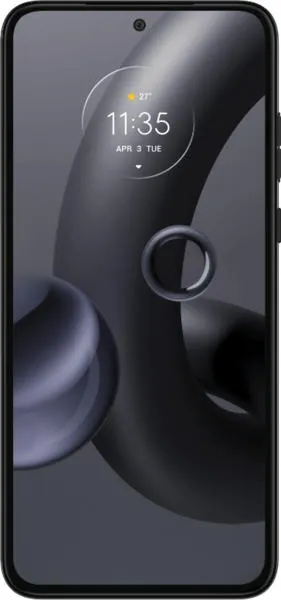
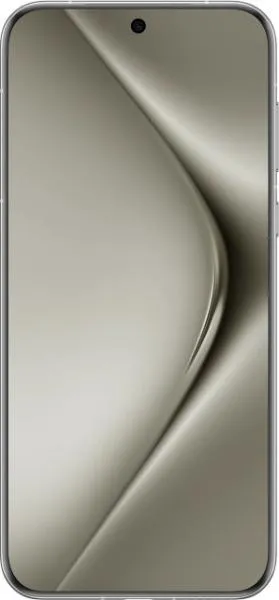
Motorola Edge 30 Neo vs. Huawei Pura 70 Pro: A Detailed Comparison
Let's dive into a comprehensive comparison of the Motorola Edge 30 Neo and the Huawei Pura 70 Pro, two compelling mid-range smartphones with distinct strengths. We'll dissect their specifications, analyze their real-world implications, and guide you toward the device that best aligns with your needs.
1. Specifications Breakdown
| Feature | Motorola Edge 30 Neo | Huawei Pura 70 Pro | Real-World Implications |
|---|---|---|---|
| Design | |||
| Dimensions (mm) | 152.9 x 71.2 x 7.8 | 162.6 x 75.1 x 8.4 | Neo is significantly more compact and pocketable; Pura 70 Pro offers a larger screen presence. |
| Weight (g) | 155 | 220 | Neo is noticeably lighter, reducing hand fatigue during extended use. |
| Display | |||
| Type | P-OLED, 120Hz | LTPO OLED, 120Hz | Both offer smooth scrolling and animations; LTPO on Pura 70 Pro enables better battery efficiency by dynamically adjusting refresh rate. |
| Size | 6.28" | 6.8" | Pura 70 Pro provides a larger viewing area for media consumption and multitasking. |
| Resolution | 1080 x 2400 | 1260 x 2844 | Pura 70 Pro has a sharper display with higher pixel density. |
| Performance | |||
| Chipset | Snapdragon 695 5G | Kirin 9010 | Kirin 9010 in the Pura 70 Pro offers significantly higher CPU and GPU performance for demanding tasks and gaming. |
| RAM | 8GB | 12GB | Pura 70 Pro's larger RAM enables smoother multitasking and handling of more demanding applications. |
| Camera | |||
| Main Camera | 64MP, f/1.8 | 50MP, f/1.4 | Pura 70 Pro's larger sensor and wider aperture likely deliver better low-light performance. |
| Ultrawide | 13MP | 12.5MP | Comparable ultrawide capabilities. |
| Telephoto | N/A | 48MP | Pura 70 Pro offers optical zoom for capturing distant subjects. |
| Battery Life | |||
| Capacity | 4020mAh | 5050mAh | Pura 70 Pro boasts a significantly larger battery, potentially offering longer usage time. |
2. Key Insights
- Performance: The Pura 70 Pro, with its Kirin 9010 processor and 12GB of RAM, is a clear winner in performance. It's built for demanding tasks, gaming, and seamless multitasking. The Edge 30 Neo, while capable for everyday use, will likely show its limitations under heavy load.
- Display: Both phones offer vibrant OLED displays with 120Hz refresh rates. However, the Pura 70 Pro's larger 6.8" LTPO OLED screen with higher resolution provides a more immersive and visually appealing experience. Its dynamic refresh rate adjustment contributes to longer battery life.
- Camera: While megapixels aren't everything, the Pura 70 Pro's camera system, with its larger main sensor, wider aperture, dedicated telephoto lens, and advanced features, promises superior image quality, particularly in low-light conditions and zoom scenarios.
- Portability: The Edge 30 Neo shines in portability. Its compact and lightweight design makes it significantly easier to handle and carry. This is a key consideration for users who prioritize one-handed usability and pocket-friendliness.
3. User Profiles and Recommendations
- Motorola Edge 30 Neo: Ideal for users seeking a stylish, compact, and affordable 5G phone for everyday tasks like browsing, social media, and casual photography. Its vibrant display and smooth performance are sufficient for moderate use.
- Huawei Pura 70 Pro: Best suited for power users, gamers, and photography enthusiasts who demand top-tier performance, a stunning display, and a versatile camera system. The larger battery also caters to those who require extended usage time.
4. Buying Decision Framework
- What is your budget? The Edge 30 Neo sits in a lower price bracket than the Pura 70 Pro.
- What are your primary use cases? Prioritize the Edge 30 Neo for portability and everyday tasks; choose the Pura 70 Pro for demanding performance, gaming, and advanced photography.
- How important is battery life? The Pura 70 Pro's larger battery capacity likely offers significantly longer usage time.
My Choice: Huawei Pura 70 Pro
While I appreciate the compact design and affordability of the Motorola Edge 30 Neo, I would choose the Huawei Pura 70 Pro. Its superior performance, stunning LTPO display, and versatile camera system are compelling. The significantly larger battery also addresses my need for extended usage without frequent recharging. As someone who values a smooth and powerful user experience, the Pura 70 Pro's advantages in these areas outweigh the trade-off in size and price. The future-proofing offered by the more powerful chipset and larger RAM capacity also factors into my decision.
