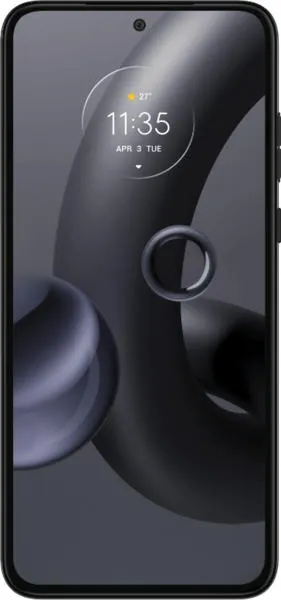
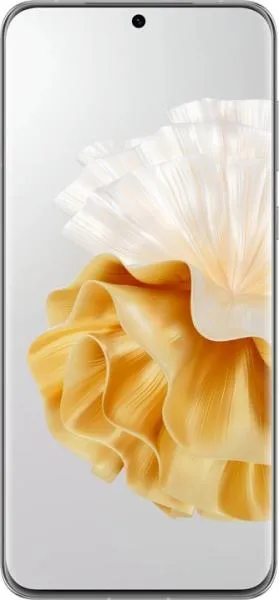
Motorola Edge 30 Neo vs. Huawei P60 Pro: A Detailed Comparison
Let's dive deep into a comparative analysis of the Motorola Edge 30 Neo and the Huawei P60 Pro, dissecting their specifications and uncovering what they truly offer the everyday user.
1. Specifications Breakdown
| Feature | Motorola Edge 30 Neo | Huawei P60 Pro | Real-World Implications |
|---|---|---|---|
| Design | |||
| Dimensions (mm) | 152.9 x 71.2 x 7.8 | 161 x 74.5 x 8.3 | P60 Pro is larger and heavier |
| Weight (g) | 155 | 200 | Neo is more pocketable |
| Display | |||
| Type/Refresh Rate | P-OLED, 120Hz | LTPO OLED, 120Hz | Both offer smooth scrolling; LTPO on P60 Pro can dynamically adjust refresh rate for better battery |
| Size (inches) | 6.28 | 6.67 | P60 Pro has a larger screen for media consumption |
| Resolution | 1080 x 2400 | 1220 x 2700 | P60 Pro offers sharper visuals |
| Performance | |||
| Chipset | Snapdragon 695 5G | Snapdragon 8+ Gen 1 4G | P60 Pro boasts significantly more processing power for demanding tasks and gaming |
| CPU | Octa-core (2.2 GHz & 1.7 GHz) | Octa-core (up to 3.19 GHz) | P60 Pro offers much faster and more responsive performance |
| RAM | 8GB | 8/12GB | More RAM in some P60 Pro variants enables smoother multitasking |
| Camera | |||
| Main Camera | 64MP, f/1.8 | 48MP, f/1.4, variable aperture | P60 Pro's larger sensor and wider aperture capture more light, especially in low light. Variable aperture provides versatility |
| Telephoto | N/A | 48MP, f/2.1, 3.5x Optical Zoom | P60 Pro excels in zoomed shots with optical stabilization |
| Ultrawide | 13MP, f/2.2 | 13MP, f/2.2 | Comparable ultrawide capabilities |
| Video | 1080p@120fps | 4K@60fps, 1080p@960fps | P60 Pro offers superior video recording capabilities with higher resolution and slow-motion |
| Battery Life | |||
| Capacity | 4020 mAh | 4815 mAh | P60 Pro likely offers longer battery life due to larger capacity and LTPO display |
2. Key Insights
The Motorola Edge 30 Neo focuses on affordability and portability. It's a stylish, lightweight device ideal for casual users who prioritize a smooth display and decent performance for everyday tasks like social media, web browsing, and light gaming.
The Huawei P60 Pro, on the other hand, is a flagship contender. It delivers top-tier performance, advanced camera capabilities including a variable aperture and impressive telephoto lens, a stunning display, and longer battery life. However, it comes at a significantly higher price and lacks 5G connectivity, a notable drawback in today's market.
3. User Profiles and Recommendations
Edge 30 Neo: Students, budget-conscious buyers, or anyone seeking a compact and stylish phone for everyday use.
P60 Pro: Photography enthusiasts, power users, and those who demand top-of-the-line performance and display quality. The lack of 5G might be a deal-breaker for some.
4. Buying Decision Framework
- What's your budget? The Neo is significantly more affordable.
- Is 5G connectivity essential? The Neo offers 5G, while the P60 Pro does not.
- Are camera quality and performance top priorities? The P60 Pro significantly outperforms the Neo in these areas.
My Choice: The Huawei P60 Pro (with caveats)
While the lack of 5G gives me pause, as a tech journalist constantly pushing the boundaries of mobile technology, the Huawei P60 Pro's superior camera technology, especially the variable aperture and telephoto lens, and overall performance win me over. I value the ability to capture stunning photos and videos in various conditions, and the P60 Pro's advanced camera system delivers on that promise. The vibrant display and powerful processor are enticing for consuming multimedia content and handling demanding tasks. However, I would carefully consider the 5G limitation and weigh it against my needs before making a final decision. If 5G is absolutely essential for my workflow, I might lean towards another device or wait for a future Huawei flagship that addresses this issue.
