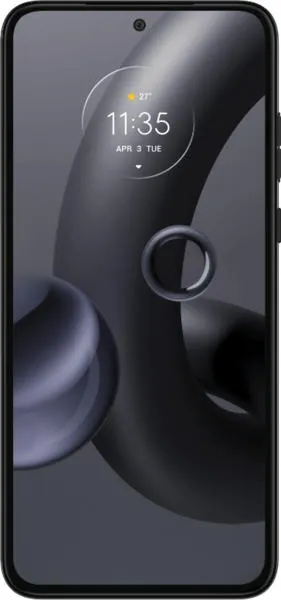
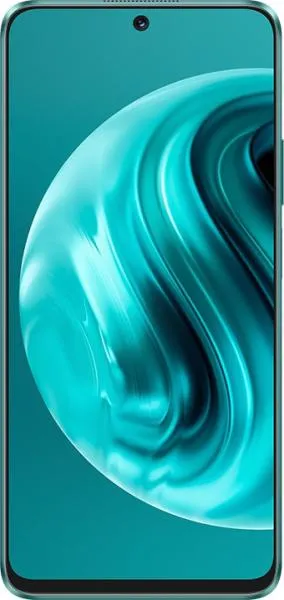
Motorola Edge 30 Neo vs. Huawei nova 12i: A Detailed Comparison
Let's dive into a head-to-head comparison of the Motorola Edge 30 Neo and the Huawei nova 12i, dissecting their specifications and uncovering what they truly offer in the real world.
1. Specifications Breakdown
| Feature | Motorola Edge 30 Neo | Huawei nova 12i | Real-World Implications |
|---|---|---|---|
| Design | |||
| Dimensions (mm) | 152.9 x 71.2 x 7.8 | 163.3 x 74.7 x 8.4 | Edge 30 Neo is noticeably more compact and pocketable. Nova 12i is larger, potentially less comfortable for one-handed use. |
| Weight (g) | 155 | 199 | Edge 30 Neo is significantly lighter, reducing hand fatigue during extended use. |
| Display | |||
| Type | P-OLED, 120Hz | IPS LCD, 90Hz | Edge 30 Neo offers deeper blacks, more vibrant colors, and smoother scrolling thanks to P-OLED and 120Hz. Nova 12i's LCD might appear washed out in comparison. |
| Size | 6.28" | 6.7" | Nova 12i provides a larger screen for media consumption, but the Edge 30 Neo's size is still ample for most tasks. |
| Resolution | 1080 x 2400 | 1080 x 2388 | Comparable sharpness on both devices due to similar pixel density. |
| Performance | |||
| Chipset | Snapdragon 695 5G | Snapdragon 680 4G | Edge 30 Neo boasts 5G connectivity and a slightly more powerful CPU/GPU, resulting in faster app loading and smoother gaming. Nova 12i is limited to 4G. |
| RAM | 8GB | 8GB | Both offer sufficient RAM for multitasking and smooth performance. |
| OS | Android 12 (up to 15) | - | Edge 30 Neo benefits from Android's established ecosystem and guaranteed software updates, ensuring longevity. Nova 12i's OS details are missing, raising concerns about updates and app availability. |
| Camera | |||
| Main Camera | 64MP, f/1.8 | 108MP, f/1.9 | Nova 12i boasts higher resolution, potentially capturing more detail. Real-world image quality depends on sensor and processing, not just megapixels. Edge 30 Neo's OIS could provide better low-light and video stability. |
| Selfie Camera | 32MP | 8MP | Edge 30 Neo's significantly higher resolution selfie camera suggests superior image quality for self-portraits and video calls. |
| Battery Life | |||
| Capacity | 4020 mAh | 5000 mAh | Nova 12i's larger battery likely translates to longer usage time on a single charge. However, actual battery life is influenced by various factors like display type and software optimization. |
2. Key Insights
- Performance and Connectivity: The Edge 30 Neo's Snapdragon 695 with 5G offers a clear advantage in performance and future-proofing. The Nova 12i's 4G-only Snapdragon 680 is less powerful.
- Display Quality: The Edge 30 Neo's 120Hz P-OLED display delivers a superior visual experience with vibrant colors and smooth motion compared to the Nova 12i's 90Hz IPS LCD.
- Software: The Edge 30 Neo's confirmed Android updates and access to Google Play Services offer a significant advantage in terms of long-term usability and app availability. The lack of clear information about the Nova 12i's operating system is a major concern.
- Size and Portability: The Edge 30 Neo is considerably lighter and more compact, making it more comfortable for one-handed use and pocket portability.
3. User Profiles and Recommendations
- Edge 30 Neo: Ideal for users who prioritize performance, a vibrant display, 5G connectivity, software updates, and a compact form factor. Excellent for those who enjoy mobile gaming, streaming, and staying connected on the go.
- Nova 12i: Might appeal to users seeking a large display and long battery life on a budget. However, the lack of clear OS information and 4G-only connectivity are significant drawbacks. Suitable for less demanding users who primarily use their phones for basic tasks and media consumption.
4. Buying Decision Framework
- Is 5G connectivity essential? If yes, the Edge 30 Neo is the only option.
- Do you prioritize display quality and smooth performance? The Edge 30 Neo's P-OLED and 120Hz refresh rate provide a significant advantage.
- How important is software support and app availability? The Edge 30 Neo's guaranteed Android updates and access to the Google Play Store make it a safer bet in the long run.
My Choice: I would choose the Motorola Edge 30 Neo. While the Nova 12i offers a larger battery and higher resolution main camera, the Edge 30 Neo's superior display, 5G connectivity, faster processor, confirmed software updates, and more compact design are decisive factors for me. The uncertainties surrounding the Nova 12i's operating system and the lack of Google Play Services are significant concerns that outweigh its advantages in battery capacity and main camera resolution. In the long run, I believe the Edge 30 Neo offers a more well-rounded and future-proof experience.
