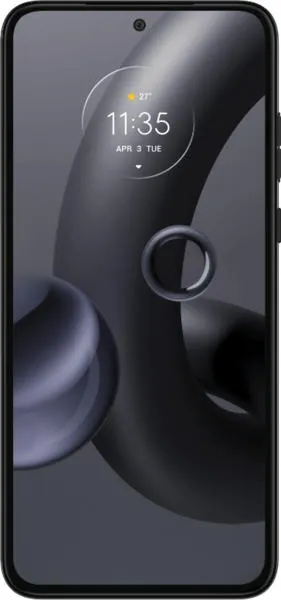
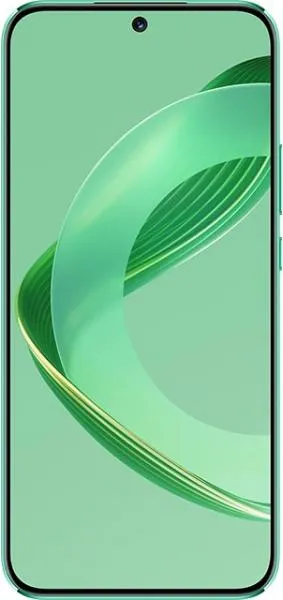
Motorola Edge 30 Neo vs. Huawei nova 11: A Deep Dive for the Discerning Smartphone User
Hello, fellow tech explorers! Today, we're dissecting two intriguing mid-range contenders: the Motorola Edge 30 Neo and the Huawei nova 11. Let's cut through the marketing jargon and uncover what these devices truly offer in terms of real-world performance and user experience.
1. Specifications Breakdown
| Feature | Motorola Edge 30 Neo | Huawei nova 11 | Real-World Implications |
|---|---|---|---|
| Design | |||
| Dimensions (mm) | 152.9 x 71.2 x 7.8 | 161.3 x 75 x 6.9 | Nova 11 is taller and wider, Edge 30 Neo is slightly thicker. Pocketability considerations for users. |
| Weight (g) | 155 | 168 | Edge 30 Neo noticeably lighter, reducing hand fatigue during extended use. |
| Display | |||
| Display Type | 6.28" P-OLED, 120Hz | 6.7" OLED, 120Hz | Both offer smooth scrolling and vibrant colors. Nova 11 has a larger screen for media consumption, Edge 30 Neo potentially better one-handed usability. Huawei boasts 1B colors and HDR10 for superior visual quality. |
| Resolution | 1080 x 2400 | 1084 x 2412 | Virtually identical sharpness. |
| Performance | |||
| Chipset | Snapdragon 695 5G | Snapdragon 778G 4G | Nova 11 has a more powerful processor, translating to smoother multitasking and better gaming performance. Notably, it lacks 5G connectivity. |
| CPU | Octa-core (2x2.2 GHz & 6x1.7 GHz) | Octa-core (4x2.4 GHz & 4x1.8 GHz) | Nova 11's higher clock speeds mean faster app loading and responsiveness. |
| RAM | 8GB | 8GB | Both offer ample RAM for smooth day-to-day performance. |
| OS | Android 12 (up to 15) | HarmonyOS (no version specified) | Edge 30 Neo benefits from established Android ecosystem and guaranteed updates. Huawei's OS and app availability remain key considerations depending on region. |
| Camera | |||
| Rear Camera | 64MP Main + 13MP Ultrawide | 50MP Main + 8MP Ultrawide | Edge 30 Neo boasts higher resolution main sensor, potentially capturing more detail. Nova 11 utilizes a RYYB sensor, impacting color reproduction. Real-world image quality depends on software processing. |
| Front Camera | 32MP | 60MP | Nova 11's higher resolution selfie camera caters to social media enthusiasts. |
| Battery Life | |||
| Battery Capacity | 4020 mAh | 4500 mAh | Nova 11's larger battery likely provides longer usage time. Actual battery life depends on usage patterns. |
2. Key Insights
- Performance: The Nova 11 packs a significantly more powerful processor, offering a noticeable advantage in demanding tasks. However, its lack of 5G connectivity is a major drawback for future-proofing.
- Display: Both phones deliver excellent displays with smooth 120Hz refresh rates. The Nova 11's larger screen and HDR10 support enhance media consumption, while the Edge 30 Neo's smaller size might appeal to those prioritizing one-handed use.
- Camera: A megapixel comparison doesn't tell the whole story. The Edge 30 Neo's 64MP sensor likely captures more detail, while the Nova 11 relies on Huawei's image processing expertise and a unique RYYB color filter. Real-world image comparisons are crucial.
- Software: The Edge 30 Neo's reliance on Android OS ensures wider app compatibility and long-term software support. The Nova 11's HarmonyOS presents uncertainties regarding app availability and future updates, especially outside of China.
3. User Profiles and Recommendations
- Edge 30 Neo: Ideal for users prioritizing a compact, lightweight phone with guaranteed Android updates and 5G connectivity. Excellent choice for everyday tasks, social media, and casual photography.
- Nova 11: Best suited for users who demand top-tier performance in a stylish package and prioritize camera features. A good fit for mobile gamers, content creators, and selfie enthusiasts who can navigate potential app limitations associated with HarmonyOS.
4. Buying Decision Framework
- Is 5G connectivity essential for you? If yes, the Edge 30 Neo is the only option.
- Do you prioritize raw performance or a compact form factor? The Nova 11 excels in performance, while the Edge 30 Neo offers a more pocketable design.
- Which operating system ecosystem do you prefer and rely on? Android users will find the Edge 30 Neo more familiar and versatile.
My Choice: As Alex Griffin, I value a balance of performance, future-proofing, and a robust app ecosystem. While the Nova 11 boasts impressive performance, I would choose the Motorola Edge 30 Neo. The 5G connectivity is crucial for long-term relevance, and the reliable Android OS ensures access to the apps and services I depend on. The lighter weight and more compact form factor also align with my preference for comfortable one-handed use. For me, the Edge 30 Neo offers a more compelling overall package.
