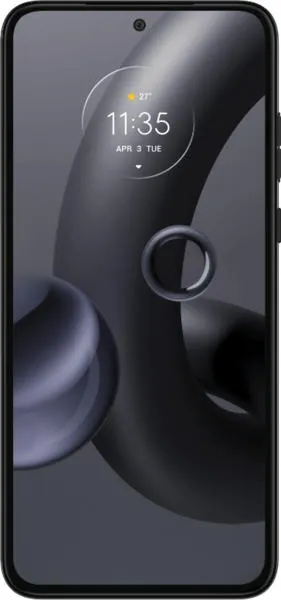
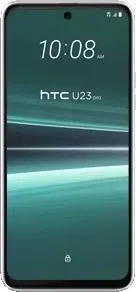
Motorola Edge 30 Neo vs. HTC U23 Pro: A Detailed Comparison
Let's dive into a head-to-head comparison of the Motorola Edge 30 Neo and the HTC U23 Pro, dissecting their specs and uncovering what they truly offer in real-world usage.
1. Specifications Breakdown
| Feature | Motorola Edge 30 Neo | HTC U23 Pro | Real-World Implications |
|---|---|---|---|
| Design | |||
| Dimensions (mm) | 152.9 x 71.2 x 7.8 | 166.6 x 77.1 x 8.9 | Neo is significantly more compact and pocketable. U23 Pro feels larger, potentially more cumbersome. |
| Weight (g) | 155 | 205 | Neo is noticeably lighter, reducing hand fatigue during extended use. |
| Display | |||
| Display Type | 6.28" P-OLED, 120Hz | 6.7" OLED, 120Hz | Both offer smooth scrolling and animations thanks to the 120Hz refresh rate. Neo's P-OLED might offer deeper blacks and slightly better power efficiency. U23 Pro provides a larger viewing area. |
| Resolution | 1080 x 2400 | 1080 x 2400 | Sharpness is comparable on both, though Neo has slightly higher pixel density due to smaller screen size. |
| Performance | |||
| Chipset | Snapdragon 695 5G | Snapdragon 7 Gen 1 | U23 Pro boasts a more powerful processor, translating to smoother multitasking, faster app loading, and potentially better gaming performance. |
| RAM | 8GB | 12GB (International) | More RAM in the U23 Pro allows for more apps to run in the background without performance slowdown. |
| Camera | |||
| Main Camera | 64MP, f/1.8 | 108MP, f/1.7 | U23 Pro offers higher resolution for potentially more detailed photos. Real-world image quality depends on sensor and processing, not just megapixels. |
| Ultrawide | 13MP | 8MP | Neo has a higher resolution ultrawide lens. |
| Selfie Camera | 32MP | 32MP | Selfie camera resolution is comparable. |
| Battery Life | |||
| Capacity | 4020 mAh | 4600 mAh | U23 Pro has a larger battery, likely resulting in longer usage time on a single charge. |
2. Key Insights
- Performance: The HTC U23 Pro's Snapdragon 7 Gen 1 chip significantly outperforms the Motorola Edge 30 Neo's Snapdragon 695. This translates to a more responsive and fluid user experience, especially for demanding tasks.
- Portability: The Edge 30 Neo is considerably lighter and smaller, making it a clear winner for one-handed use and pocketability.
- Battery: The U23 Pro's larger battery capacity suggests longer battery life, an important consideration for power users.
- Camera: While megapixel count isn't everything, the U23 Pro's 108MP main sensor has the potential to capture more detail. However, real-world performance depends on factors like image processing.
- Software: Both phones run Android, but the U23 Pro ships with a more recent version (Android 13). This could mean newer features and potentially longer software support.
3. User Profiles and Recommendations
- Motorola Edge 30 Neo: Best suited for users who prioritize a compact and lightweight phone with good battery life and a smooth display. Ideal for everyday tasks, social media, and casual gaming.
- HTC U23 Pro: A better choice for users who demand higher performance for gaming, multitasking, and demanding applications. The larger screen and battery are also beneficial for media consumption and productivity.
4. Buying Decision Framework
- What is your budget? Both phones fall in the mid-range, but specific pricing may vary.
- Do you prioritize performance or portability? The U23 Pro offers superior performance, while the Neo excels in portability.
- How important is battery life? The U23 Pro likely offers longer battery life due to its larger capacity.
My Choice: HTC U23 Pro
While I appreciate the compact design and sleek aesthetics of the Motorola Edge 30 Neo, as a tech enthusiast, I lean towards the HTC U23 Pro. The significant performance advantage offered by the Snapdragon 7 Gen 1, coupled with the larger battery and more recent Android version, aligns better with my usage patterns. I often push my phone with multitasking, demanding apps, and occasional gaming, making the U23 Pro's superior processing power a crucial factor. The larger screen is also more immersive for media consumption. Though the added weight and size are trade-offs, I find the performance gains and longer battery life to be more compelling. The potential for longer software updates due to the newer Android version also adds to the U23 Pro's long-term value proposition.
