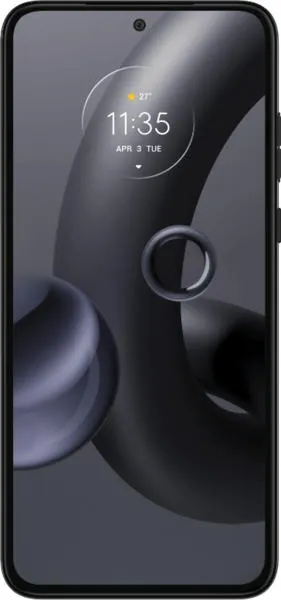
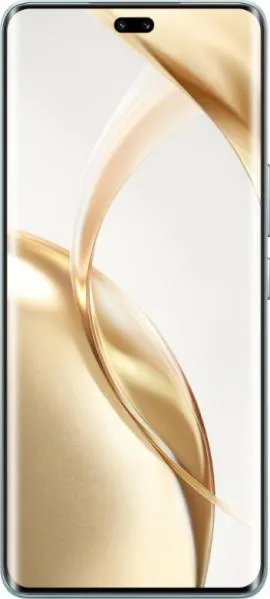
Let's dive into a comparative analysis of the Motorola Edge 30 Neo and the Honor 200 Pro, dissecting their technical specifications and translating them into real-world implications for you.
1. Specifications Breakdown
| Feature | Motorola Edge 30 Neo | Honor 200 Pro | Real-World Implications |
|---|---|---|---|
| Design | |||
| Dimensions (mm) | 152.9 x 71.2 x 7.8 | 163.3 x 75.2 x 8.2 | Neo is significantly more compact and pocketable. Pro might feel bulky for some. |
| Weight (g) | 155 | 199 | Neo is noticeably lighter, reducing hand fatigue during extended use. |
| Display | |||
| Size (inches) | 6.28 | 6.78 | Pro offers a larger screen for immersive media consumption; Neo prioritizes one-hand usability. |
| Type | P-OLED, 120Hz | OLED, 120Hz | Both deliver smooth scrolling and animations, but Pro's OLED might offer deeper blacks and higher contrast. |
| Resolution | 1080 x 2400 | 1224 x 2700 | Pro has a sharper display, but the difference might be negligible in everyday use. |
| Performance | |||
| Chipset | Snapdragon 695 5G | Snapdragon 8s Gen 3 | Pro boasts a significantly more powerful processor for demanding tasks and gaming. |
| RAM (GB) | 8 | 12 | Pro's larger RAM enables smoother multitasking and handling more demanding applications. |
| Camera | |||
| Main Camera (MP) | 64 | 50 | Megapixel count isn't everything; image quality depends on sensor size and processing. |
| Camera Features | OIS, Dual Camera | OIS, Triple Camera with Telephoto | Pro offers more versatile photography with telephoto capabilities for optical zoom and wider angle shots. |
| Battery Life | |||
| Capacity (mAh) | 4020 | 5200 | Pro's larger battery likely translates to significantly longer usage time. |
| Other | |||
| OS | Android 12 | Android 14 | Pro comes with a newer Android version, potentially offering more features and longer software support. |
| Price Range | Medium | Medium | Actual prices can vary; consider the best value for your budget. |
2. Key Insights
The Honor 200 Pro is a clear powerhouse in terms of raw performance, boasting a flagship-level processor, ample RAM, and a larger, sharper display. Its triple camera system with a telephoto lens provides greater photographic flexibility. The significantly larger battery capacity promises extended usage without frequent recharging.
The Motorola Edge 30 Neo shines in its compact and lightweight design, prioritizing portability and one-handed usability. While its processor is less powerful, it's still capable of handling everyday tasks smoothly. Its lower price point makes it a compelling option for budget-conscious users.
3. User Profiles and Recommendations
Honor 200 Pro: Ideal for power users, gamers, photography enthusiasts, and those who prioritize performance and a premium multimedia experience. If you demand the best and don't mind a larger phone, the Pro is a strong contender.
Motorola Edge 30 Neo: Best suited for users who value portability, a compact form factor, and affordability. It's a great option for everyday tasks, social media, casual photography, and those seeking a comfortable one-handed experience. Excellent choice for light users who prioritize battery life over top tier performance.
4. Buying Decision Framework
- What is your budget? The Neo is generally more affordable.
- Do you prioritize performance or portability? The Pro excels in performance; the Neo champions portability.
- What are your primary phone usage patterns? Heavy gaming and multimedia consumption favor the Pro; everyday tasks and social media lean towards the Neo.
My Choice
If I were choosing between these two, I'd opt for the Honor 200 Pro. While I appreciate the compact design of the Neo, the Pro's superior performance, versatile camera system with telephoto lens, larger battery, and more up-to-date Android version are compelling. I prioritize a smooth, lag-free experience for demanding tasks and photography, making the Pro a better fit for my needs. The slightly higher price is justified by the significant performance jump and expanded feature set. The larger battery also appeals to my heavy usage patterns, minimizing the need for frequent charging.
