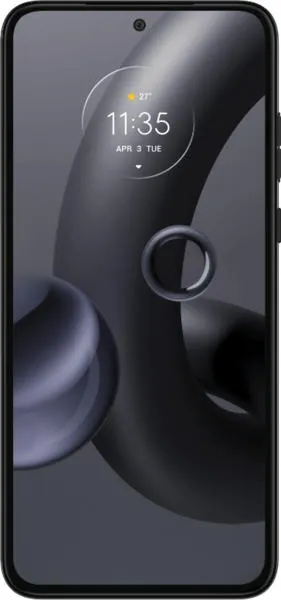
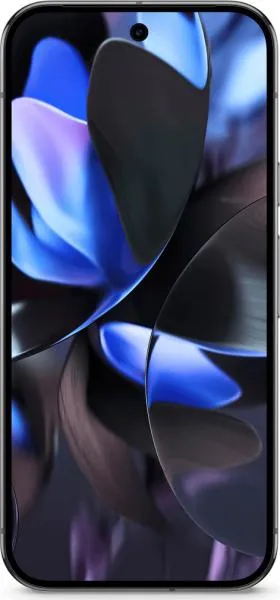
Let's dive into a comparative analysis of the Motorola Edge 30 Neo and the Google Pixel 9 Pro XL, dissecting their specifications and uncovering what they truly offer users in the real world.
1. Specifications Breakdown
| Feature | Motorola Edge 30 Neo | Google Pixel 9 Pro XL | Real-World Implications |
|---|---|---|---|
| Design | |||
| Dimensions (mm) | 152.9 x 71.2 x 7.8 | 162.8 x 76.6 x 8.5 | Neo is significantly more compact and pocketable. Pro XL offers a more immersive experience but might feel bulky for some. |
| Weight (g) | 155 | 221 | Neo is noticeably lighter, reducing hand fatigue during extended use. |
| Display | |||
| Size (inches) | 6.28 | 6.8 | Pro XL provides a larger canvas for media consumption and multitasking. |
| Resolution (px) | 1080 x 2400 | 1344 x 2992 | Pro XL boasts sharper visuals due to higher resolution and pixel density. |
| Type | P-OLED, 120Hz | LTPO OLED, 120Hz | Both offer smooth scrolling and animations. Pro XL's LTPO technology allows for dynamic refresh rate adjustment, saving battery. |
| Performance | |||
| Chipset | Snapdragon 695 5G | Google Tensor G4 | Pro XL's Tensor G4, being a flagship chip, offers significantly higher performance in demanding tasks and AI-powered features. |
| RAM (GB) | 8 | 16 | Pro XL's doubled RAM enables smoother multitasking and handling of more demanding applications. |
| Camera | |||
| Main Camera (MP) | 64 | 50 | While Neo has a higher megapixel count, Pro XL's larger sensor and advanced processing likely result in superior image quality. |
| Video | 1080p@120fps | 8K@30fps | Pro XL offers significantly higher video resolution and advanced features like OIS and EIS for smoother, more stable footage. |
| Battery Life | |||
| Capacity (mAh) | 4020 | 5060 | Pro XL's larger battery capacity suggests significantly longer usage time on a single charge. |
2. Key Insights
The Motorola Edge 30 Neo shines in its compact and lightweight design, making it ideal for one-handed use and portability. Its 120Hz P-OLED display delivers smooth visuals, while the Snapdragon 695 offers respectable performance for everyday tasks. However, it's important to acknowledge its limitations in processing power and camera capabilities compared to the Pro XL.
The Google Pixel 9 Pro XL, as a flagship device, excels in performance, camera quality, and battery life. The Tensor G4 chip provides a substantial power boost, complemented by ample RAM for a seamless user experience. Its camera system, known for Google's computational photography prowess, likely produces stunning images and videos. The larger LTPO OLED display provides a more immersive visual experience. The trade-off is its larger size and higher price point.
3. User Profiles and Recommendations
Edge 30 Neo: Best suited for users who prioritize portability, a vibrant display, and all-day battery life for moderate usage. Ideal for social media browsing, casual gaming, and everyday communication. Its attractive price point makes it a strong contender in the mid-range market.
Pixel 9 Pro XL: Ideal for power users, photographers, and videographers who demand top-tier performance, a cutting-edge camera system, and a long-lasting battery. Perfect for demanding tasks, mobile gaming, content creation, and immersive media consumption.
4. Buying Decision Framework
Questions to Consider:
- What is your budget? The Neo offers excellent value in the mid-range segment, while the Pro XL commands a flagship price.
- What are your primary smartphone needs? Prioritize portability and affordability with the Neo, or choose the Pro XL for unmatched performance and camera capabilities.
- How important is software and long-term updates? Pixel phones generally receive faster and longer software updates compared to Motorola devices.
My Choice: Google Pixel 9 Pro XL
While the Motorola Edge 30 Neo is a compelling mid-range option, I would choose the Google Pixel 9 Pro XL. As a tech journalist focused on performance and emerging technologies, the Pro XL's superior processing power, advanced camera system, and longer software support are crucial. The Tensor G4 chip's AI capabilities, coupled with Google's commitment to innovation, ensures a future-proof device capable of handling demanding tasks and leveraging new features as they become available. The larger, sharper display and extended battery life further enhance the overall user experience. Though the price is higher, the Pro XL's comprehensive feature set aligns perfectly with my needs and priorities as a power user and content creator. The compact size of the Neo is tempting, but the significant performance advantages and future-proofing of the Pixel win out for me.
