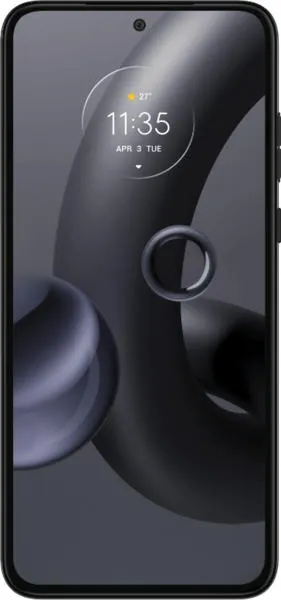

Motorola Edge 30 Neo vs. Google Pixel 8: A Deep Dive for the Discerning Smartphone User
The mid-range smartphone market is fiercely competitive, with devices vying for your attention with compelling features and attractive price points. Today, we'll dissect two contenders: the Motorola Edge 30 Neo and the Google Pixel 8. We'll go beyond the spec sheets, translating raw numbers into real-world experiences to help you decide which phone fits your lifestyle.
1. Specifications Breakdown
| Feature | Motorola Edge 30 Neo | Google Pixel 8 | Real-World Implications |
|---|---|---|---|
| Design | |||
| Dimensions (mm) | 152.9 x 71.2 x 7.8 | 150.5 x 70.8 x 8.9 | Pixel 8 is slightly shorter, narrower, but thicker. Neo feels more compact. |
| Weight (g) | 155 | 187 | Neo is noticeably lighter, reducing hand fatigue during extended use. |
| Build Materials | Plastic frame, glass back | Aluminum frame, glass back | Pixel 8's aluminum frame offers better durability and a more premium feel. |
| Display | |||
| Display Type | 6.28" P-OLED, 120Hz | 6.2" OLED, 120Hz | Both offer smooth scrolling and vibrant colors; Pixel 8 boasts higher peak brightness (2000 nits vs unspecified for Neo), crucial for outdoor visibility. |
| Resolution | 1080 x 2400 | 1080 x 2400 | Identical resolution results in sharp visuals on both devices. |
| PPI Density | 419 | 428 | Negligible difference in pixel density; sharpness is comparable. |
| HDR Support | No HDR10/10+ | HDR10+, 1400 nits (HBM) | Pixel 8 offers significantly better HDR performance for compatible content (streaming videos). |
| Performance | |||
| Chipset | Snapdragon 695 5G | Google Tensor G3 | Tensor G3 is a more powerful chip, expected to deliver superior performance in demanding tasks and AI processing. |
| CPU | Octa-core (2x2.2 GHz Kryo 660 Gold & 6x1.7 GHz Kryo 660 Silver) | Nona-core (1x3.0 GHz Cortex-X3 & 4x2.45 GHz Cortex-A715 & 4x2.15 GHz Cortex-A510) | Pixel 8's more advanced CPU architecture and higher clock speeds translate to faster app loading, smoother multitasking, and better gaming performance. |
| RAM | 8GB | 8GB | Both offer ample RAM for smooth day-to-day usage. |
| Camera | |||
| Main Camera | 64MP, f/1.8 | 50MP, f/1.69, OIS | Pixel 8's larger sensor, wider aperture, and optical image stabilization (OIS) should result in superior low-light performance and sharper images. |
| Ultrawide | 13MP, f/2.2 | 12MP, f/2.2 | Comparable ultrawide cameras, but Pixel 8 leverages Google's superior image processing for potentially better results. |
| Selfie Camera | 32MP, f/2.4 | 10.8MP, f/2.2 | Neo boasts higher megapixels; Pixel 8 relies on Google's computational photography for image quality. |
| Video Recording | 1080p@120fps | 4K@60fps, OIS, EIS | Pixel 8 offers significantly better video recording capabilities with higher resolution, frame rates, and stabilization. |
| Battery Life | |||
| Battery Capacity | 4020mAh | 4575 mAh | Pixel 8 has a larger battery capacity, potentially translating to longer usage time. Real-world battery life depends heavily on usage patterns and software optimization. |
2. Key Insights
- Performance: The Pixel 8, powered by the Tensor G3, is the clear winner in performance. Expect smoother gaming, faster app loading, and enhanced AI capabilities compared to the Neo.
- Camera: While the Neo boasts higher megapixel counts in some areas, the Pixel 8 leverages Google's renowned computational photography and superior hardware (larger sensor, wider aperture on the main lens) to likely deliver better overall image and video quality, particularly in challenging conditions.
- Display: Both phones offer vibrant OLED displays with 120Hz refresh rates. However, the Pixel 8's significantly higher peak brightness and HDR10+ support give it a clear edge in outdoor visibility and HDR content consumption.
- Design and Build: The Neo is lighter and more compact, prioritizing portability. The Pixel 8, with its aluminum frame, offers a more premium feel and enhanced durability.
3. User Profiles and Recommendations
- Motorola Edge 30 Neo: Best suited for users seeking a stylish, lightweight phone for everyday tasks, social media, and casual photography. Its compact size and lower price point make it an attractive option for budget-conscious buyers.
- Google Pixel 8: Ideal for users who prioritize performance, camera quality, a premium display, and the latest Android updates. Power users, mobile photographers, and videographers will appreciate the Pixel 8's capabilities.
4. Buying Decision Framework
- What is your budget? The Neo is generally more affordable.
- What are your primary use cases? Casual use vs. demanding tasks, photography/videography.
- Do you value software updates and long-term support? Pixel 8, being a Google phone, will receive longer software updates.
Scenario-Based Recommendations:
- Student on a Budget: Motorola Edge 30 Neo
- Photography Enthusiast: Google Pixel 8
- Power User/Gamer: Google Pixel 8
My Choice: Google Pixel 8
While the Motorola Edge 30 Neo offers a compelling combination of style and affordability, I would choose the Google Pixel 8. The Tensor G3's superior performance, coupled with Google's exceptional camera software and commitment to long-term software updates, makes it a more future-proof and versatile device. The brighter display and more premium build quality further solidify its position as the better overall choice for my needs. Although the Pixel 8 carries a higher price tag, the significant advantages in key areas like performance, camera, and display justify the investment for a user like myself who values a powerful and reliable smartphone experience.
