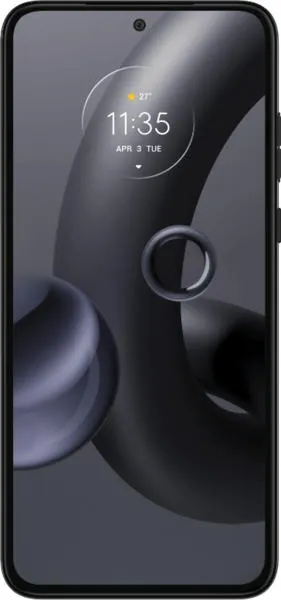
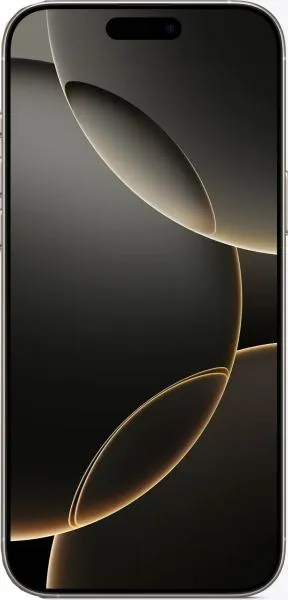
Let's dive into a comparative analysis of the Motorola Edge 30 Neo and the Apple iPhone 16 Pro Max, dissecting their technical specifications and translating them into real-world implications for you.
1. Specifications Breakdown
| Feature | Motorola Edge 30 Neo | Apple iPhone 16 Pro Max | Real-World Implications |
|---|---|---|---|
| Design | |||
| Dimensions (mm) | 152.9 x 71.2 x 7.8 | 163 x 77.6 x 8.3 | Edge 30 Neo is noticeably smaller and lighter, enhancing one-handed usability. |
| Weight (g) | 155 | 227 | Significant weight difference; Edge 30 Neo is more pocketable, iPhone 16 Pro Max feels more premium. |
| Display | |||
| Type | P-OLED, 120Hz | LTPO Super Retina XDR OLED, 120Hz | Both offer smooth scrolling and animations; iPhone boasts superior brightness and HDR capabilities. |
| Size | 6.28" | 6.9" | iPhone 16 Pro Max provides a larger canvas for media consumption and multitasking. |
| Resolution | 1080 x 2400 | 1320 x 2868 | iPhone has a sharper display, but the difference might not be discernible in everyday use. |
| Performance | |||
| Chipset | Snapdragon 695 5G | Apple A18 Pro | A18 Pro offers significantly higher processing power for demanding tasks and gaming. |
| RAM | 8GB | 8GB | Comparable RAM; however, iOS's memory management often results in superior real-world performance. |
| OS | Android 12 | iOS 18 | Different operating systems cater to distinct user preferences and ecosystem loyalties. |
| Camera | |||
| Main Camera | 64MP | 48MP | Megapixel count isn't everything; iPhone's larger sensor and advanced image processing likely deliver superior image quality. |
| Video | 1080p@120fps | 4K@120fps | iPhone offers significantly higher video resolution and frame rates for professional-grade content. |
| Battery Life | |||
| Capacity | 4020 mAh | 4685 mAh | iPhone 16 Pro Max likely offers longer battery life due to larger capacity and optimized OS. |
2. Key Insights
- Performance: The iPhone 16 Pro Max, powered by the A18 Pro chip, will significantly outperform the Edge 30 Neo in demanding tasks, gaming, and heavy multitasking.
- Display: While both offer 120Hz refresh rates, the iPhone's LTPO panel allows for dynamic refresh rate adjustment, potentially conserving battery. Its peak brightness and HDR capabilities also provide a superior visual experience.
- Camera: iPhone 16 Pro Max likely produces superior image quality due to advanced computational photography and a larger sensor. Its video recording capabilities are also far more extensive.
- Portability: The Edge 30 Neo is significantly more compact and lighter, making it ideal for one-handed use and portability.
- Software & Ecosystem: The choice between Android and iOS depends heavily on personal preference, app ecosystem loyalty, and desired level of customization.
3. User Profiles and Recommendations
- Motorola Edge 30 Neo: Best suited for users seeking a stylish, affordable, and compact phone with good battery life for everyday tasks like social media, browsing, and casual photography. Its smaller form factor is a major plus for those prioritizing one-handed usability.
- Apple iPhone 16 Pro Max: Ideal for power users, content creators, and mobile gamers who demand top-tier performance, the best possible camera system, and a vibrant, large display. The premium price reflects its flagship status.
4. Buying Decision Framework
- What is your budget? The Edge 30 Neo is significantly more affordable.
- What are your primary use cases? Casual use vs. demanding tasks/gaming/content creation.
- Do you prioritize portability or a larger screen? The Edge 30 Neo is compact, while the iPhone 16 Pro Max has a larger display.
My Choice
If I were choosing between these two, I'd opt for the iPhone 16 Pro Max. While the price is significantly higher, the performance gap, superior camera system, and the vibrant display are compelling for my workflow. As a tech journalist, I often push my devices to their limits with multitasking, video editing, and content creation. The iPhone 16 Pro Max's powerful A18 Pro chip, coupled with iOS's efficiency, ensures a smooth and responsive experience even under heavy load. While I appreciate the Edge 30 Neo's compact design, the iPhone's larger display offers a better experience for media consumption and reviewing visual content. Ultimately, the iPhone 16 Pro Max's long-term value proposition, driven by its performance headroom and consistent software updates, makes it the better choice for my needs.
