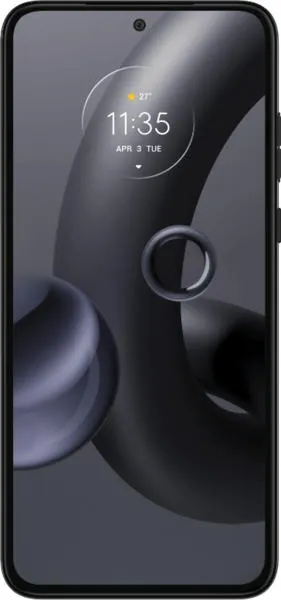

Motorola Edge 30 Neo vs. Apple iPhone 15: A Detailed Comparison
Choosing the right smartphone involves understanding how technical specifications translate into real-world experiences. Let's dissect the Motorola Edge 30 Neo and the Apple iPhone 15, focusing on what matters most to you as a user.
1. Specifications Breakdown
| Feature | Motorola Edge 30 Neo | Apple iPhone 15 | Real-World Implications |
|---|---|---|---|
| Design | |||
| Dimensions (mm) | 152.9 x 71.2 x 7.8 | 147.6 x 71.6 x 7.8 | Edge 30 Neo is slightly taller; both are slim and pocketable. |
| Weight (g) | 155 | 171 | iPhone 15 is noticeably heavier, potentially impacting one-handed use. |
| Display | |||
| Type | P-OLED, 120Hz | Super Retina XDR OLED | Both offer vibrant colors and deep blacks; iPhone 15 boasts higher peak brightness for better outdoor visibility. |
| Size | 6.28" | 6.1" | Negligible difference in screen real estate. |
| Resolution | 1080 x 2400 | 1179 x 2556 | iPhone 15 has a slightly sharper display due to higher pixel density. |
| Performance | |||
| Chipset | Snapdragon 695 5G | A16 Bionic | A16 Bionic significantly outperforms Snapdragon 695 in speed and graphics processing. |
| RAM | 8GB | 6GB | While iPhone has less RAM, iOS's memory management typically results in smoother performance. |
| OS | Android 12 (up to 15) | iOS 17 | Different ecosystems with their own strengths and weaknesses in terms of apps, customization, and privacy. |
| Camera | |||
| Main Camera | 64MP | 48MP | iPhone 15, despite lower resolution, often produces superior image quality due to advanced processing. |
| Video Recording | 1080p@120fps | 4K@60fps | iPhone 15 offers significantly higher resolution and frame rate video recording capabilities. |
| Battery Life | |||
| Capacity | 4020 mAh | 3349 mAh | Edge 30 Neo has a larger battery, potentially translating to longer usage time. |
2. Key Insights
Performance: The iPhone 15's A16 Bionic chip delivers a substantial performance advantage over the Edge 30 Neo's Snapdragon 695. This translates to faster app loading, smoother multitasking, and superior gaming capabilities.
Camera: While the Edge 30 Neo boasts a higher megapixel count on its main camera, the iPhone 15's computational photography prowess and advanced image processing often result in better overall image quality, especially in challenging lighting conditions. The iPhone 15's video recording capabilities are also significantly superior.
Display: Both displays offer excellent quality, but the iPhone 15's Super Retina XDR display with HDR and Dolby Vision support provides a more immersive viewing experience with richer colors and higher dynamic range.
Battery Life: The Edge 30 Neo's larger battery capacity suggests potentially longer battery life, but real-world usage will vary depending on individual habits. The iPhone 15, despite its smaller battery, is known for its optimized power consumption.
Software: The choice between Android and iOS boils down to personal preference. Android offers more customization options, while iOS is known for its simplicity and user-friendliness.
3. User Profiles and Recommendations
Motorola Edge 30 Neo: Best suited for budget-conscious users who prioritize battery life and a large, vibrant display. It's a good option for everyday tasks, social media, and casual gaming.
Apple iPhone 15: Ideal for users who demand top-tier performance, a premium camera experience, and seamless integration within the Apple ecosystem. It excels in demanding tasks, content creation, and mobile gaming.
4. Buying Decision Framework
- What is your budget? The Edge 30 Neo is significantly more affordable.
- What is your priority? Performance and camera? Choose the iPhone 15. Battery life and affordability? The Edge 30 Neo might be a better fit.
- What ecosystem are you invested in? If you already own Apple products, the iPhone 15 seamlessly integrates.
My Choice: Apple iPhone 15
While the Motorola Edge 30 Neo offers excellent value for its price, I would choose the Apple iPhone 15. The significant performance advantage of the A16 Bionic, coupled with the superior camera system and the vibrant Super Retina XDR display, outweighs the benefits of the Edge 30 Neo's larger battery and lower price for my personal needs. As someone who values a smooth and powerful user experience, along with high-quality content creation tools, the iPhone 15 aligns better with my usage patterns. The integration with the Apple ecosystem, which I already use, further solidifies my decision.
