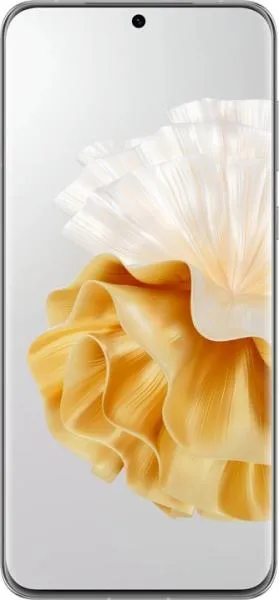

1. Specifications Comparison
| Feature | Huawei P60 Pro | ZTE nubia Z60 Ultra | Practical Impact |
|---|---|---|---|
| Design | |||
| Dimensions (mm) | 161 x 74.5 x 8.3 | 164 x 76.4 x 8.8 | Z60 Ultra is slightly larger and thicker. |
| Weight (g) | 200 | 246 | Z60 Ultra is noticeably heavier (23% heavier). Impacts one-handed use and pocket comfort. |
| Display | |||
| Display Type | LTPO OLED | AMOLED | Both offer vibrant colors and deep blacks. LTPO allows for dynamic refresh rate, potentially saving battery on the P60 Pro. |
| Display Size (inches) | 6.67 | 6.8 | Z60 Ultra has a slightly larger screen, providing more immersive content consumption. |
| Resolution | 1220 x 2700 | 1116 x 2480 | P60 Pro has a sharper display (444 ppi vs 400 ppi). Noticeable in text clarity and image sharpness. |
| Refresh Rate (Hz) | 120 | 120 | Both offer smooth scrolling and animations. |
| Peak Brightness (nits) | Not specified | 1500 | Z60 Ultra's higher peak brightness ensures better visibility outdoors. Missing P60 Pro data limits comparison. |
| Performance | |||
| Chipset | Snapdragon 8+ Gen 1 4G | Snapdragon 8 Gen 3 | Z60 Ultra has a newer, more powerful processor, resulting in faster performance and better efficiency. |
| CPU | Octa-core (up to 3.19 GHz) | Octa-core (up to 3.3 GHz) | Z60 Ultra has a faster CPU, leading to quicker app loading and multitasking. |
| GPU | Adreno 730 | Adreno 750 | Z60 Ultra's superior GPU offers smoother gaming and graphics performance. |
| RAM (GB) | 8/12 | 8/12/16/24 | Both offer ample RAM, but Z60 Ultra has options for even higher RAM for extreme multitasking. |
| Camera | |||
| Main Camera (MP) | 48 | 54 | Both offer high-resolution main cameras. |
| Telephoto Camera (MP) | 48 | 64 | Z60 Ultra boasts a higher resolution telephoto lens, potentially offering better zoom capabilities. |
| Ultrawide Camera (MP) | 13 | 50 | Z60 Ultra has a significantly higher resolution ultrawide, capturing more detail in wider shots. |
| Video Recording | Up to 4K@60fps | Up to 8K@30fps | Z60 Ultra can record in higher resolution (8K), though 4K is sufficient for most users. Z60 Ultra also offers HDR video recording. |
| Battery | |||
| Capacity (mAh) | 4815 | 6000 | Z60 Ultra has a significantly larger battery, likely translating to longer battery life. |
| Fast Charging (W) | 88 | 80 | P60 Pro offers slightly faster wired charging, but the difference might be negligible in real-world usage. |
2. Key Differences Analysis
Huawei P60 Pro Advantages:
- Sharper Display: Higher pixel density offers crisper visuals.
- Slightly Faster Wired Charging: Though the difference might not be significant in practice.
- Potentially Better Battery Life Due to LTPO: Dynamic refresh rate can conserve power.
ZTE nubia Z60 Ultra Advantages:
- Significantly More Powerful Processor: Snapdragon 8 Gen 3 offers major performance gains.
- Larger Display: More immersive experience for media consumption.
- Much Larger Battery: Potentially much longer battery life.
- Higher Resolution Ultrawide and Telephoto Cameras: Captures more detail and offers better zoom capabilities.
- 8K Video Recording: Future-proof video recording option.
- 5G Connectivity: Important for future-proofing and faster data speeds.
- Lower Price: Offers significantly better value for performance.
Trade-offs:
- ZTE nubia Z60 Ultra's Weight: Significantly heavier, affecting portability.
3. User Profiles & Recommendations
Huawei P60 Pro: Users prioritizing a compact size, lightweight design, and a sharp display. Suitable for everyday tasks, moderate gaming, and photography.
ZTE nubia Z60 Ultra: Power users, gamers, and photography enthusiasts who demand top-tier performance, a large display, long battery life, and advanced camera features.
4. Decision Framework
Key Questions:
- What is your budget? The Z60 Ultra offers significantly better value for its performance.
- Is top-tier performance a priority? Z60 Ultra excels in this area.
- How important is portability and one-handed use? P60 Pro is lighter and more compact.
My Choice: ZTE nubia Z60 Ultra
While the Huawei P60 Pro offers a refined experience in certain areas like display sharpness and a slightly more compact form factor, the ZTE nubia Z60 Ultra presents a compelling package with its significantly superior performance, larger battery, more versatile camera system, and lower price. The newer processor, 8K video recording, and 5G connectivity future-proof the device. The weight might be a concern for some, but the overall performance and feature set make the Z60 Ultra the clear winner for me. The substantial price difference further solidifies this choice, making the Z60 Ultra an excellent value proposition.
