1. Specifications Comparison
| Feature | Huawei P60 Pro | ZTE Blade A75 4G | Practical Impact |
|---|---|---|---|
| Design | |||
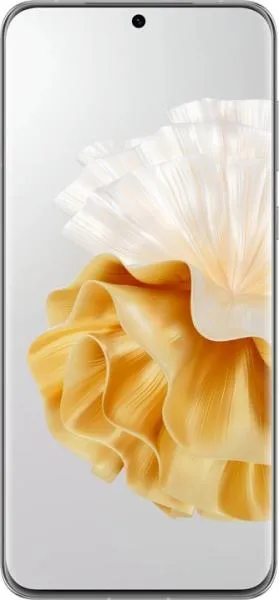
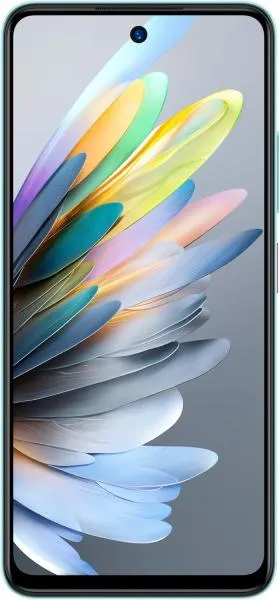
| Dimensions (mm) | 161 x 74.5 x 8.3 | 164.1 x 75.8 x 8.6 | P60 Pro is slightly smaller and thinner. |
| Weight (g) | 200 | 189 | Negligible weight difference in real-world usage. |
| Build Material | Missing | Missing | Material differences can impact durability and premium feel; information lacking here. |
| Display | |||
| Display Type | LTPO OLED | IPS LCD | P60 Pro's OLED offers superior contrast, deeper blacks, and potentially better power efficiency. |
| Display Size (inches) | 6.67 | 6.6 | Negligible size difference. |
| Resolution | 1220 x 2700 | 720 x 1612 | P60 Pro has a significantly sharper display with much higher pixel density, resulting in crisper text and images. |
| Refresh Rate (Hz) | 120 | 90 | P60 Pro's 120Hz display provides smoother animations and scrolling. |
| Performance | |||
| Chipset | Snapdragon 8+ Gen 1 4G | Unisoc T606 | P60 Pro boasts a flagship-level processor, significantly outperforming the A75's budget chipset in speed and complex tasks. |
| CPU | Octa-core (1x3.19 GHz Cortex-X2 & 3x2.75 GHz Cortex-A710 & 4x2.0 GHz Cortex-A510) | Octa-core (2x1.6 GHz Cortex-A75 & 6x1.6 GHz Cortex-A55) | P60 Pro offers substantially better CPU performance for demanding applications and multitasking. |
| GPU | Adreno 730 | Mali-G57 MP1 | P60 Pro's GPU provides a far superior gaming and graphics rendering experience. |
| RAM (GB) | 8/12 | 4/8 | More RAM in certain P60 Pro versions allows for better multitasking and app performance. |
| Camera | |||
| Main Camera (MP) | 48 | 50 | While the A75 has a higher megapixel count, the P60 Pro utilizes a larger sensor (Sony IMX888) and wider aperture (f/1.4), likely resulting in better low-light performance and image quality overall. |
| Telephoto Lens | Yes (48MP) | No | P60 Pro offers optical zoom capabilities, absent in the A75. |
| Video Recording | Up to 4K@60fps with EIS | 1080p@30fps | P60 Pro supports higher resolution and frame rate video recording with Electronic Image Stabilization. |
| Battery | |||
| Capacity (mAh) | 4815 | 5000 | While A75 has slightly larger battery capacity, P60 Pro's superior power efficiency might result in comparable real-world battery life. |
| Fast Charging | 88W | 22.5W | P60 Pro offers significantly faster charging. |
2. Key Differences Analysis
Huawei P60 Pro Advantages:
- Significantly more powerful: Superior chipset, CPU, and GPU deliver a vastly smoother and faster user experience for demanding tasks, multitasking, and gaming.
- Higher quality display: OLED technology, higher resolution, and faster refresh rate provide vibrant colors, deeper blacks, sharper details, and smoother animations.
- More versatile camera system: Offers optical zoom, superior low-light performance, and higher quality video recording capabilities.
- Faster charging: Charges significantly faster with 88W fast charging.
ZTE Blade A75 4G Advantages:
- Lower price: Significantly more affordable.
- Slightly larger battery: Potentially longer battery life for basic usage, though this could be offset by the less efficient processor.
3. User Profiles & Recommendations
Huawei P60 Pro: Ideal for users who prioritize performance, a premium display, excellent camera capabilities, and fast charging. Suitable for demanding tasks like gaming, content creation, and heavy multitasking.
ZTE Blade A75 4G: Best suited for budget-conscious users who primarily use their phones for basic tasks like calling, texting, web browsing, and social media. Not recommended for demanding applications or heavy usage.
4. Decision Framework
Key Questions for Buyers:
- What is your budget? The P60 Pro is a high-end device, while the A75 is a budget phone.
- What are your primary use cases? Do you need a powerful phone for demanding tasks, or a simple device for basic communication?
- Which features are most important to you? Prioritize features like display quality, camera capabilities, performance, or battery life.
My Choice: Huawei P60 Pro
While the ZTE Blade A75 4G offers an attractive price point, the Huawei P60 Pro is the clear winner for me. The significantly superior performance, stunning display, versatile camera system, and fast charging outweigh the price difference. I prioritize a smooth and responsive user experience, high-quality visuals, and the ability to capture excellent photos and videos. The P60 Pro delivers on all these fronts. While I acknowledge the price premium, the long-term value and superior user experience justify the investment for my needs. The A75, while suitable for basic usage, would likely become frustrating for my workflow and usage patterns.
