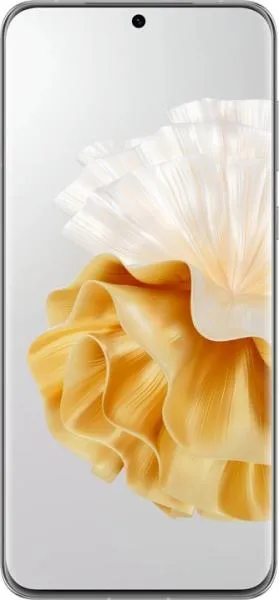
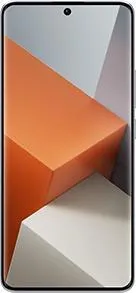
1. Specifications Comparison
| Feature | Huawei P60 Pro | Xiaomi Redmi Note 13 Pro+ | Practical Impact |
|---|---|---|---|
| Design | |||
| Dimensions (mm) | 161 x 74.5 x 8.3 | 161.4 x 74.2 x 8.9 | Virtually identical in hand feel. |
| Weight (g) | 200 | 199 | Negligible weight difference. |
| Build | Material information missing for both phones, limiting comparison. | ||
| Display | |||
| Size (inches) | 6.67 | 6.67 | Same screen size. |
| Resolution (px) | 1220 x 2700 | 1220 x 2712 | Nearly identical resolution, minimal visual difference. |
| Panel Type | LTPO OLED | AMOLED | P60 Pro's LTPO panel allows for dynamic refresh rate adjustment (1-120Hz), saving battery. Redmi's AMOLED likely has a fixed 120Hz, potentially smoother but less power-efficient. |
| Color Depth | 1B | 68B | Redmi Note 13 Pro+ offers noticeably more vibrant and accurate colors. |
| HDR | No Dolby Vision | Dolby Vision, HDR10+ | Redmi Note 13 Pro+ provides superior HDR video playback experience with wider color gamut and dynamic range. |
| Peak Brightness (nits) | Not specified | 1800 | Redmi's higher peak brightness ensures better visibility in direct sunlight. Missing P60 Pro data limits full comparison. |
| Performance | |||
| Chipset | Snapdragon 8+ Gen 1 4G | Dimensity 7200 Ultra | Snapdragon 8+ Gen 1 generally offers higher peak performance, especially in demanding tasks and gaming. Dimensity 7200 Ultra focuses on power efficiency. |
| CPU | Octa-core (1x3.19 GHz X2 & 3x2.75 GHz A710 & 4x2.0 GHz A510) | Octa-core (2x2.8 GHz A715 & 6x2.0 GHz A510) | P60 Pro's CPU configuration suggests a performance advantage in multi-threaded workloads. |
| GPU | Adreno 730 | Mali-G610 MC4 | Adreno 730 generally delivers better gaming performance than Mali-G610 MC4. |
| RAM | 8GB (reviewed model) | 8/12/16GB | More RAM options available for Redmi, beneficial for multitasking and future-proofing. |
| Camera | |||
| Main Camera (MP) | 48 | 200 | Redmi boasts higher resolution, potentially capturing more detail. However, sensor size and processing play a crucial role, not just megapixel count. |
| Telephoto | 48MP RYYB Periscope | Not specified | P60 Pro offers superior optical zoom capabilities. Missing details on Redmi's telephoto limit comparison. |
| Ultrawide | 13MP | 8MP + Macro | P60 Pro likely has a better ultrawide experience. Redmi combines ultrawide with macro, potentially compromising ultrawide quality. |
| DXOMARK Score | 156 | 121 | P60 Pro scores significantly higher, indicating superior overall camera performance according to DXOMARK's testing. |
| Battery | |||
| Capacity (mAh) | 4815 | 5000 | Redmi has a slightly larger battery, potentially offering longer usage time. |
| Fast Charging (W) | 88W wired, 50W Wireless | 120W wired | Redmi supports significantly faster wired charging. P60 Pro offers wireless charging, absent in Redmi. |
2. Key Differences Analysis
Huawei P60 Pro Advantages:
- Superior Camera System: Higher DXOMARK score, Periscope telephoto lens for better zoom, potentially better image quality overall.
- LTPO Display: More power-efficient due to dynamic refresh rate.
- Faster Processor: Offers a performance advantage for demanding tasks and gaming.
Xiaomi Redmi Note 13 Pro+ Advantages:
- Faster Wired Charging: Significantly faster charging speeds.
- Higher Resolution Main Camera: Potentially capturing more detail.
- Wider Color Gamut Display: More vibrant and accurate colors, better HDR experience.
- Lower Price: Significantly more affordable.
- 5G Connectivity: Offers faster mobile data speeds compared to P60 Pro's 4G.
Trade-offs:
- P60 Pro: Higher price, lacks 5G, smaller battery.
- Redmi Note 13 Pro+: Lower overall camera performance, less powerful processor, no wireless charging.
3. User Profiles & Recommendations
Huawei P60 Pro: Ideal for users prioritizing camera quality, display power efficiency, and overall performance, willing to pay a premium. Excellent for photography enthusiasts, demanding users, and those who value a premium experience.
Xiaomi Redmi Note 13 Pro+: Best suited for budget-conscious users who value fast charging, vibrant display, and good overall performance. Excellent for everyday users, media consumers, and those seeking the best value for their money.
4. Decision Framework
Key Questions:
- What is your budget? The Redmi Note 13 Pro+ offers significantly better value.
- Is camera quality your top priority? The P60 Pro excels in this area.
- Do you need 5G connectivity? Crucial if you live in a 5G area and rely on fast mobile data. The Redmi has 5G, the P60 Pro does not.
Scenario-Based Recommendations:
- Photography Enthusiast: P60 Pro
- Budget Gamer: Redmi Note 13 Pro+
- Everyday User on a Budget: Redmi Note 13 Pro+
- User Prioritizing Future-Proofing: Redmi Note 13 Pro+ (due to 5G)
My Choice: Xiaomi Redmi Note 13 Pro+
While the Huawei P60 Pro boasts a superior camera and processor, the Redmi Note 13 Pro+ offers incredible value for its price. The significantly faster charging, vibrant AMOLED display with Dolby Vision, 5G connectivity, and larger battery outweigh the P60 Pro's advantages for my personal needs. The price difference is substantial, and the Redmi's performance is more than adequate for everyday tasks and even moderate gaming. While I appreciate a good camera, the Redmi's 200MP sensor likely delivers satisfactory results for my typical usage. The lack of wireless charging is a minor inconvenience compared to the significant cost savings and inclusion of 5G.
