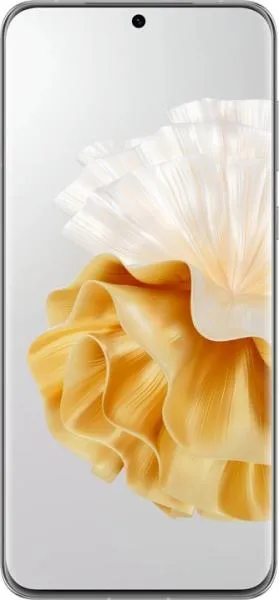
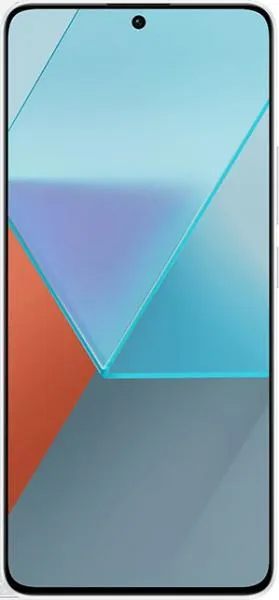
1. Specifications Comparison
| Feature | Huawei P60 Pro | Xiaomi Redmi Note 13 Pro | Practical Impact |
|---|---|---|---|
| Design | |||
| Dimensions (mm) | 161 x 74.5 x 8.3 | 161.2 x 74.2 x 8 | Virtually identical in size and feel. |
| Weight (g) | 200 | 187 | Redmi is slightly lighter, but the difference is negligible in daily use. |
| Build | Build materials not specified for either phone, limiting comparison. | ||
| Display | |||
| Display Type | LTPO OLED | AMOLED | P60 Pro's LTPO panel allows for dynamic refresh rate adjustment (1-120Hz), leading to better battery life. Both offer vibrant colors and deep blacks due to OLED technology. Redmi boasts higher peak brightness, potentially improving outdoor visibility. |
| Size (inches) | 6.67 | 6.67 | Identical screen sizes. |
| Resolution | 1220 x 2700 | 1220 x 2712 | Negligible difference in resolution; both are sharp. |
| Refresh Rate (Hz) | 120 | 120 | Both offer smooth scrolling and animations. |
| HDR | No Dolby Vision | Dolby Vision | Redmi supports Dolby Vision for enhanced video playback with wider color gamut and dynamic range. |
| Performance | |||
| Chipset | Snapdragon 8+ Gen 1 4G | Snapdragon 7s Gen 2 | P60 Pro has a significantly more powerful processor, resulting in smoother multitasking, faster app loading, and better gaming performance. However, it lacks 5G connectivity. |
| CPU | Octa-core (1x3.19 GHz X2 & 3x2.75 GHz A710 & 4x2.0 GHz A510) | Octa-core (4x2.40 GHz A78 & 4x1.95 GHz A55) | P60 Pro's CPU architecture is superior. |
| GPU | Adreno 730 | Adreno 710 | P60 Pro's GPU offers significantly better graphics performance. |
| RAM | 8GB/12GB | 8GB/12GB/16GB | Both offer ample RAM for smooth multitasking; Redmi offers a 16GB option for extreme users. |
| Camera | |||
| Main Camera (MP) | 48 | 200 | Redmi has a higher megapixel count, potentially capturing more detail. However, sensor size and image processing are crucial for overall image quality, and these details are incomplete for comparison. P60 Pro boasts a wider aperture (f/1.4) allowing for better low-light performance and depth of field. |
| Telephoto | Yes (48MP) | No dedicated telephoto | P60 Pro offers optical zoom capabilities, while Redmi relies on digital zoom. |
| Ultrawide | 13MP | 8MP with Macro | P60 Pro has a higher resolution ultrawide. Redmi combines ultrawide with macro functionality. |
| Battery | |||
| Capacity (mAh) | 4815 | 5100 | Redmi has a slightly larger battery capacity. |
| Charging | 88W Wired, 50W Wireless | 67W Wired | P60 Pro offers significantly faster wired and wireless charging. |
2. Key Differences Analysis
Huawei P60 Pro Advantages:
- Superior Performance: Significantly faster processor and GPU for demanding tasks and gaming.
- Faster Charging: Significantly faster wired and wireless charging.
- Better Display: LTPO panel for improved battery efficiency.
- Superior Camera System: Higher quality main sensor with wider aperture, dedicated telephoto lens for optical zoom. DxOMark score significantly higher.
Xiaomi Redmi Note 13 Pro Advantages:
- 5G Connectivity: Supports next-generation cellular networks for faster data speeds.
- Lower Price: Significantly more affordable.
- Larger Battery: Slightly larger battery capacity.
- Dolby Vision: Enhanced video playback quality.
- More RAM Options: Offers a 16GB RAM variant.
3. User Profiles & Recommendations
Huawei P60 Pro: Users who prioritize performance, camera quality, a premium display, and fast charging, and don't require 5G. Photographers, videographers, and mobile gamers would benefit from this phone.
Xiaomi Redmi Note 13 Pro: Budget-conscious users who prioritize 5G connectivity, long battery life, and good overall value. Casual users, content consumers, and those on a tighter budget would find this phone suitable.
4. Decision Framework
Key Questions for Buyers:
- Is 5G connectivity essential? If yes, the Redmi is the only option.
- What is your budget? The P60 Pro is significantly more expensive.
- What are your primary use cases? Demanding tasks and gaming favor the P60 Pro, while casual use favors the Redmi.
My Choice: Huawei P60 Pro
While the lack of 5G is a drawback, the Huawei P60 Pro's significantly superior performance, camera system, display, and charging capabilities outweigh this disadvantage for me. I prioritize a smooth user experience, high-quality photos and videos, and fast charging. I am willing to pay a premium for these features. The Redmi Note 13 Pro offers excellent value, but the performance difference would be noticeable in my daily usage. The superior camera system of the P60 Pro, backed by the significantly higher DxOMark score, solidifies my choice.
