1. Specifications Comparison
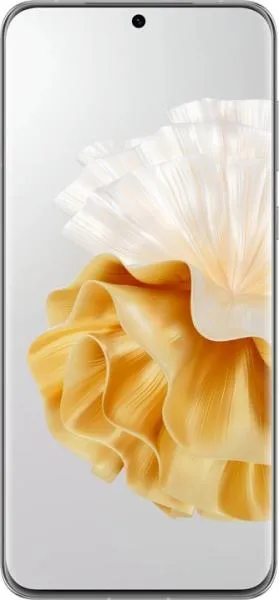
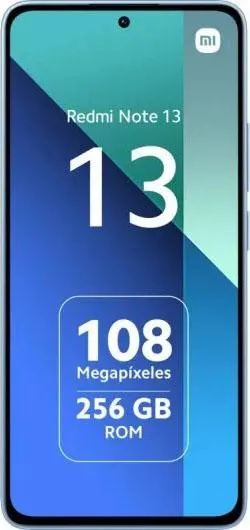
| Feature | Huawei P60 Pro | Xiaomi Redmi Note 13 4G | Practical Impact |
|---|---|---|---|
| Design | |||
| Dimensions (mm) | 161 x 74.5 x 8.3 | 162.3 x 75.6 x 8 | P60 Pro slightly smaller, thinner |
| Weight (g) | 200 | 188.5 | Redmi Note 13 slightly lighter |
| Build Materials | Missing | Missing | Cannot compare build quality |
| Display | |||
| Display Type | LTPO OLED | AMOLED | P60 Pro's LTPO allows for dynamic refresh rate, saving battery |
| Display Size (inches) | 6.67 | 6.67 | Same size |
| Resolution | 1220 x 2700 | 1080 x 2400 | P60 Pro sharper, more detailed visuals |
| Refresh Rate (Hz) | 120 | 120 | Same maximum refresh rate, but P60 Pro likely smoother due to LTPO |
| Peak Brightness (nits) | Missing | 1800 | Redmi Note 13's higher brightness improves outdoor visibility |
| Performance | |||
| Chipset | Snapdragon 8+ Gen 1 4G | Snapdragon 685 | P60 Pro significantly more powerful, enabling smoother multitasking and gaming |
| CPU | Octa-core (1x3.19 GHz Cortex-X2 & 3x2.75 GHz Cortex-A710 & 4x2.0 GHz Cortex-A510) | Octa-core (4x2.8 GHz Cortex-A73 & 4x1.9 GHz Cortex-A53) | P60 Pro's CPU architecture is newer and more powerful |
| GPU | Adreno 730 | Adreno 610 | P60 Pro offers much better graphics performance for demanding games |
| RAM (GB) | 8/12 | 6/8 | P60 Pro offers more RAM options for enhanced multitasking |
| Camera | |||
| Main Camera (MP) | 48 | 108 | Redmi Note 13 boasts higher resolution, but sensor and image processing quality are crucial and unknown. |
| Telephoto | 48MP with 3.5x Optical Zoom | None | P60 Pro offers superior zoom capabilities |
| Ultrawide | 13MP | 8MP | P60 Pro likely offers wider field of view |
| Front Camera (MP) | 32 | 16 | P60 Pro has a higher resolution front camera |
| Video Recording | Up to 4K@60fps with EIS | Up to 1080p@30fps | P60 Pro offers significantly better video resolution and stabilization |
| Battery | |||
| Capacity (mAh) | 4815 | 5000 | Redmi Note 13 has slightly larger battery capacity |
| Fast Charging | 88W | 33W | P60 Pro charges significantly faster |
2. Key Differences Analysis
Huawei P60 Pro Advantages:
- Significantly more powerful: Superior chipset, CPU, and GPU for smoother performance in demanding tasks and games.
- Better display: LTPO OLED with higher resolution for sharper visuals and potential power savings.
- Superior camera system: Higher quality sensors, telephoto lens with optical zoom, and better video recording capabilities.
- Faster charging: 88W fast charging significantly reduces downtime.
Xiaomi Redmi Note 13 4G Advantages:
- Lower price: Significantly more affordable.
- Slightly larger battery: Potentially longer battery life, but actual usage depends on optimization.
- Higher resolution main camera sensor: Potentially more detail in photos, but image quality depends on other factors.
Trade-offs:
- P60 Pro: Higher price, potential software limitations due to lack of Google Mobile Services. Missing key display specs like peak brightness.
- Redmi Note 13 4G: Lower performance, less capable camera system, slower charging.
3. User Profiles & Recommendations
Huawei P60 Pro: Ideal for users who prioritize performance, a high-quality camera, and a premium display experience. Suitable for demanding tasks like gaming, video editing, and photography.
Xiaomi Redmi Note 13 4G: Best suited for budget-conscious users who prioritize basic functionality, long battery life, and affordability over top-tier performance and camera features. Suitable for everyday tasks like browsing, social media, and casual photography.
4. Decision Framework
Key Questions:
- What is your budget? The P60 Pro is significantly more expensive.
- What are your performance needs? For demanding tasks, the P60 Pro is far superior.
- How important is camera quality? The P60 Pro offers a more versatile and higher-quality camera system.
Scenario-Based Recommendations:
- Heavy gamer: P60 Pro
- Photography enthusiast: P60 Pro
- Budget-conscious user: Redmi Note 13 4G
- User prioritizing long battery life: Redmi Note 13 4G (potentially, depending on real-world usage)
My Choice: Huawei P60 Pro
While the Redmi Note 13 4G offers excellent value for its price, the Huawei P60 Pro is the clear winner for me. The significantly superior performance, higher quality display, versatile camera system with a telephoto lens, and faster charging are crucial factors for my usage. I prioritize a smooth and responsive user experience, excellent photography capabilities, and a vibrant display. I am willing to pay the premium for the P60 Pro to get these features. The lack of Google Mobile Services might be a concern, but for me, the overall package offered by the P60 Pro outweighs this drawback.
