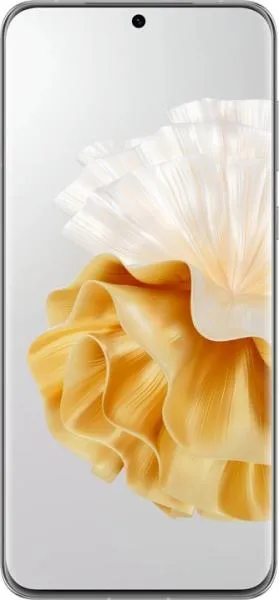
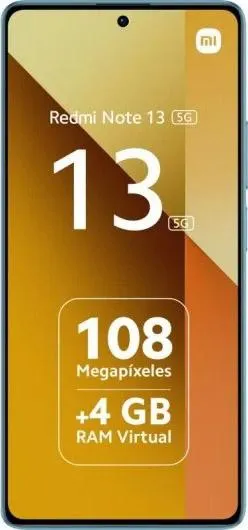
1. Specifications Comparison
| Feature | Huawei P60 Pro | Xiaomi Redmi Note 13 | Practical Impact |
|---|---|---|---|
| Design | |||
| Dimensions (mm) | 161 x 74.5 x 8.3 | 161.1 x 75 x 7.6 | Virtually identical in size; Redmi Note 13 slightly thinner. |
| Weight (g) | 200 | 174.5 | Noticeable weight difference; Redmi Note 13 feels lighter. |
| Build Materials | Missing | Missing | Cannot compare build quality and premium feel. |
| Display | |||
| Display Type | LTPO OLED | AMOLED | P60 Pro's LTPO offers better power efficiency with dynamic refresh rate adjustment. |
| Size (inches) | 6.67 | 6.67 | Same screen size. |
| Resolution | 1220 x 2700 | 1080 x 2400 | P60 Pro has a sharper display with higher pixel density (444 vs 395 ppi). |
| Refresh Rate (Hz) | 120 | 120 | Both offer smooth scrolling and animations. |
| Performance | |||
| Chipset | Snapdragon 8+ Gen 1 4G (4nm) | Dimensity 6080 (6nm) | P60 Pro significantly more powerful for demanding tasks and gaming. |
| CPU | Octa-core (1x3.19 GHz X2 & 3x2.75 GHz A710 & 4x2.0 GHz A510) | Octa-core (2x2.4 GHz A76 & 6x2.0 GHz A55) | P60 Pro offers superior CPU performance due to faster cores and architecture. |
| GPU | Adreno 730 | Mali-G57 MC2 | P60 Pro boasts considerably better graphics performance. |
| RAM | 8GB/12GB | 6GB/8GB/12GB | Both offer sufficient RAM for multitasking; P60 Pro's higher configurations provide more headroom. |
| Storage | 256GB/512GB | 128GB/256GB | Both offer ample storage; P60 Pro offers a higher 512GB option. |
| Camera | |||
| Main Camera | 48MP (Sony IMX888) f/1.4-f4.0 | 108MP (Samsung HM6) f/1.7 | P60 Pro's variable aperture and larger sensor likely offer better low-light performance and depth of field control. Higher resolution on the Redmi Note 13 doesn't guarantee better image quality. |
| Telephoto | 48MP f/2.1 (3.5x Optical Zoom) | None | P60 Pro offers optical zoom for better quality zoomed images. Redmi Note 13 likely relies on digital zoom. |
| Ultrawide | 13MP f/2.2 | 8MP f/2.2 | P60 Pro's ultrawide likely offers slightly better image quality. |
| Battery | |||
| Capacity (mAh) | 4815 | 5000 | Redmi Note 13 has a slightly larger battery capacity. |
| Charging | 88W Wired, 50W Wireless | 33W Wired | P60 Pro charges significantly faster, both wired and wirelessly. |
2. Key Differences Analysis
Huawei P60 Pro Advantages:
- Significantly more powerful: Snapdragon 8+ Gen 1 provides superior performance for demanding tasks, gaming, and smoother overall experience.
- Higher quality display: Sharper resolution and LTPO technology for better power efficiency.
- More versatile camera system: Variable aperture main camera, optical zoom telephoto lens, and potentially better overall image quality.
- Faster charging: Significantly faster wired and wireless charging capabilities.
Xiaomi Redmi Note 13 Advantages:
- Lower price: Significantly more affordable.
- Slightly larger battery: Potentially longer battery life, although P60 Pro's LTPO might offset this.
- 5G connectivity: Supports 5G networks for faster data speeds. P60 Pro only supports 4G.
3. User Profiles & Recommendations
Huawei P60 Pro: Users who prioritize performance, a high-quality display, a versatile camera system, and fast charging. Ideal for power users, gamers, photography enthusiasts, and those seeking a premium experience.
Xiaomi Redmi Note 13: Budget-conscious users who need a reliable smartphone with good battery life and 5G connectivity. Suitable for everyday tasks, social media, web browsing, and light gaming.
4. Decision Framework
Key Questions for Buyers:
- What is your budget? The P60 Pro is a high-end flagship, while the Redmi Note 13 is a budget-friendly option.
- What are your performance needs? Do you need a powerful phone for demanding tasks or gaming?
- What features are most important to you? Camera quality, display quality, battery life, charging speed, 5G connectivity?
Scenario-Based Recommendations:
- Heavy user, gamer, photographer: Huawei P60 Pro
- Budget-conscious user, casual gamer, social media user: Xiaomi Redmi Note 13
My Choice: Huawei P60 Pro
While the Redmi Note 13 offers excellent value for its price, I would choose the Huawei P60 Pro. The significantly superior performance, higher quality display, more versatile camera system with optical zoom, and incredibly fast charging are compelling reasons for me. The lack of 5G is a drawback, but 4G speeds are still sufficient for most tasks. I prioritize a smooth, premium user experience and am willing to pay for the extra performance and features offered by the P60 Pro. The subjective experience of using a more powerful and responsive device, coupled with the better camera and display, outweighs the price difference and lack of 5G in my personal use case.
