1. Specifications Comparison
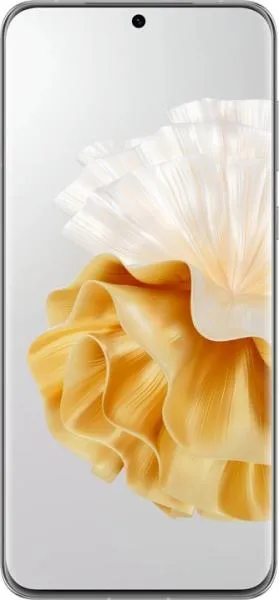
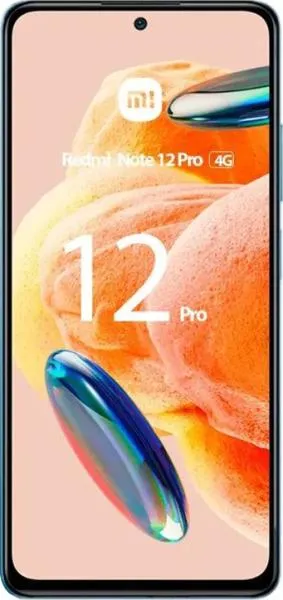
| Feature | Huawei P60 Pro | Xiaomi Redmi Note 12 Pro 4G | Practical Impact |
|---|---|---|---|
| Design | |||
| Dimensions (mm) | 161 x 74.5 x 8.3 | 164.2 x 76.1 x 8.1 | P60 Pro slightly smaller and thinner. Negligible difference in daily use. |
| Weight (g) | 200 | 201.8 | Virtually identical weight. |
| Build | Unspecified | Unspecified | Build quality and materials cannot be compared due to lack of information. |
| Display | |||
| Display Type | LTPO OLED | AMOLED | P60 Pro's LTPO OLED allows for dynamic refresh rate adjustment (1-120Hz), saving battery while maintaining smooth scrolling. Redmi has a fixed 120Hz. |
| Size (inches) | 6.67 | 6.67 | Same screen size. |
| Resolution | 1220 x 2700 | 1080 x 2400 | P60 Pro has a sharper display with higher pixel density (444 ppi vs 395 ppi), resulting in crisper text and images. |
| Peak Brightness | Unspecified | 1100 nits (peak) | Redmi's specified peak brightness suggests better outdoor visibility. P60 Pro's unspecified value prevents direct comparison. |
| Performance | |||
| Chipset | Snapdragon 8+ Gen 1 4G (4 nm) | Snapdragon 732G (8 nm) | P60 Pro has a significantly more powerful processor, leading to much faster performance in demanding tasks like gaming and multitasking. |
| CPU | Octa-core (1x3.19 GHz Cortex-X2 & 3x2.75 GHz Cortex-A710 & 4x2.0 GHz Cortex-A510) | Octa-core (2x2.2 GHz Kryo 470 Gold & 6x1.8 GHz Kryo 470 Silver) | P60 Pro's CPU architecture and clock speeds indicate superior processing power. |
| GPU | Adreno 730 | Adreno 618 | P60 Pro's GPU provides significantly better graphics performance for gaming and visually intensive applications. |
| RAM | 8GB | 6GB/8GB | Both offer sufficient RAM for most users, but P60 Pro's configuration likely provides smoother multitasking with demanding applications. |
| Camera | |||
| Main Camera | 48MP, f/1.4, Sony IMX888 | 108MP, f/1.9, Samsung S5KHM2 | While Redmi has higher megapixels, P60 Pro utilizes a larger sensor (1/1.4") and wider aperture (f/1.4), potentially capturing more light and detail, especially in low-light conditions. Sensor quality often outweighs megapixel count. |
| Telephoto | 48MP, f/2.1, 3.5x Optical Zoom | None | P60 Pro offers superior zoom capabilities for capturing distant subjects. |
| Ultrawide | 13MP, f/2.2 | 8MP, f/2.2 | P60 Pro likely offers a slightly better ultrawide experience due to higher resolution. |
| Battery | |||
| Capacity | 4815 mAh | 5020 mAh | Redmi has a slightly larger battery capacity. |
| Fast Charging | 88W | 67W | P60 Pro charges significantly faster. |
| Wireless Charging | 50W | None | P60 Pro supports fast wireless charging, a feature absent in the Redmi. |
2. Key Differences Analysis
Huawei P60 Pro Advantages:
- Superior Performance: Significantly more powerful processor and GPU.
- Better Display: Sharper screen with dynamic refresh rate for smoother visuals and better battery life.
- Advanced Camera System: Higher quality main and telephoto cameras, potentially better low-light performance and zoom capabilities.
- Faster Charging: Both wired and wireless charging are significantly faster.
Xiaomi Redmi Note 12 Pro 4G Advantages:
- Lower Price: Significantly more affordable.
- Slightly Larger Battery: Potentially longer battery life, though offset by the lack of dynamic refresh rate. Dolby vision support for compatible content.
Trade-offs:
- P60 Pro: Higher price for premium features. Lacks 5G connectivity. OS details missing.
- Redmi Note 12 Pro 4G: Lower performance and camera quality to achieve a lower price point.
3. User Profiles & Recommendations
Huawei P60 Pro: Users who prioritize performance, camera quality, a premium display, and fast charging. Ideal for demanding tasks, mobile gaming, photography enthusiasts, and those seeking a flagship experience.
Xiaomi Redmi Note 12 Pro 4G: Budget-conscious users who prioritize affordability and decent overall performance. Suitable for everyday tasks, social media, casual gaming, and users who don't require the absolute best camera or processing power.
4. Decision Framework
Key Questions:
- What is your budget? The P60 Pro is significantly more expensive.
- What are your primary smartphone usage patterns? Demanding tasks and gaming benefit from the P60 Pro's power.
- How important is camera quality? The P60 Pro offers a noticeable step up in imaging capabilities.
My Choice: Huawei P60 Pro
While the Xiaomi Redmi Note 12 Pro 4G offers excellent value for its price, the Huawei P60 Pro is the clear winner for me. The significantly superior performance, higher quality display, and advanced camera system outweigh the price difference. The faster charging, both wired and wireless, significantly enhances the user experience. While the lack of 5G is a drawback, the overall package offered by the P60 Pro aligns better with my preference for a premium, feature-rich smartphone experience. The lack of clear OS information is a concern, but assuming it runs a recent version of EMUI, it shouldn't detract significantly from the overall experience. I prioritize performance and a fluid user experience, and the P60 Pro delivers that in spades.
