
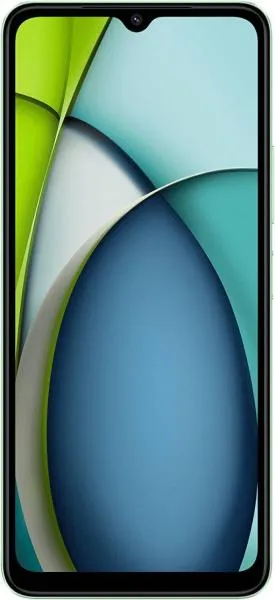
1. Specifications Comparison
| Feature | Huawei P60 Pro | Xiaomi Redmi A3x | Practical Impact |
|---|---|---|---|
| Design | |||
| Dimensions (mm) | 161 x 74.5 x 8.3 | 168.4 x 76.3 x 8.3 | Redmi A3x is slightly larger and may feel less premium. |
| Weight (g) | 200 | 193 | Negligible weight difference. |
| Build | Glass front/back | Missing | Material affects durability and premium feel. Can't compare without A3x details. |
| Display | |||
| Display Type | LTPO OLED | IPS LCD | P60 Pro offers superior contrast, colors, and power efficiency. |
| Size (inches) | 6.67 | 6.71 | Virtually identical screen sizes. |
| Resolution | 1220 x 2700 | 720 x 1650 | P60 Pro has a much sharper display, noticeable in text clarity and image detail. |
| Refresh Rate (Hz) | 120 | 90 | P60 Pro offers smoother scrolling and animations. |
| Performance | |||
| Chipset | Snapdragon 8+ Gen 1 4G | Unisoc T603 | P60 Pro boasts significantly faster processing power for demanding tasks and gaming. |
| CPU | Octa-core (up to 3.19 GHz) | Octa-core (1.8 GHz) | P60 Pro will handle multitasking and complex applications much more efficiently. |
| GPU | Adreno 730 | Mali-G57 MP1 | P60 Pro offers a vastly superior gaming and graphics rendering experience. |
| RAM | 8/12GB | 3/4GB | P60 Pro provides much better multitasking capabilities and smoother overall performance. |
| OS | Missing | Android 14 | Can't compare OS experience without P60 Pro details. |
| Camera | |||
| Main Camera | 48MP, f/1.4 | 8MP, f/2.2 | P60 Pro offers significantly better low-light performance, detail, and dynamic range. |
| Telephoto | 48MP, f/2.1 | None | P60 Pro offers optical zoom for clearer distant shots. |
| Ultrawide | 13MP, f/2.2 | 0.1MP (Likely a typo) | P60 Pro offers usable ultrawide photography; A3x ultrawide is likely unusable. |
| Video | Up to 4K@60fps with EIS | 1080p@30fps | P60 Pro offers higher resolution and frame rate video recording with better stabilization. |
| Battery | |||
| Capacity (mAh) | 4815 | 5000 | Similar battery life expected despite the difference in capacity due to P60 Pro's more efficient display and chipset. |
| Charging | 88W Wired, 50W Wireless | 10W Wired | P60 Pro charges dramatically faster. |
2. Key Differences Analysis
Huawei P60 Pro Advantages:
- Flagship Performance: Significantly faster processor, GPU, and more RAM for a smooth, lag-free experience.
- Superior Display: Higher resolution, refresh rate, and OLED technology offer a dramatically better visual experience.
- Advanced Camera System: High-resolution sensors, optical zoom, and better low-light performance.
- Faster Charging: Significantly faster wired and wireless charging.
Xiaomi Redmi A3x Advantages:
- Lower Price: Significantly more affordable.
- Larger Battery: Slightly larger battery capacity, potentially offering longer battery life for basic usage.
Trade-offs:
- P60 Pro: Higher price for premium features. Missing OS details limit comparison.
- Redmi A3x: Compromised performance, display, and camera for affordability.
3. User Profiles & Recommendations
Huawei P60 Pro: Users who prioritize performance, a premium display, excellent camera capabilities, and fast charging. Ideal for demanding tasks, gaming, content creation, and photography enthusiasts.
Xiaomi Redmi A3x: Budget-conscious users who prioritize basic communication, web browsing, and light media consumption. Suitable for users who need a simple, affordable phone for everyday tasks.
4. Decision Framework
Key Questions:
- What is your budget? The P60 Pro is significantly more expensive.
- What are your primary phone usage patterns? Demanding tasks require the P60 Pro's performance; basic usage can suffice with the Redmi A3x.
- Which features are most important to you? Prioritize performance, display, and camera (P60 Pro) or affordability (Redmi A3x).
Scenario-Based Recommendations:
- Heavy User: P60 Pro is recommended for power users, gamers, and content creators.
- Light User: Redmi A3x is sufficient for basic communication and web browsing on a budget.
- Photographer: P60 Pro's superior camera system makes it the clear choice.
My Choice: Huawei P60 Pro
While significantly more expensive, the Huawei P60 Pro offers a vastly superior user experience across the board. Its flagship-level performance, stunning display, and advanced camera system make it a compelling device. Even without complete OS information, the performance and feature gap is substantial. The Redmi A3x, while budget-friendly, compromises too heavily on crucial aspects like performance and display quality. The faster charging and superior camera capabilities of the P60 Pro further solidify its position as the better choice for my needs. I prioritize a smooth, responsive experience with a great display and camera, making the P60 Pro worth the investment.
