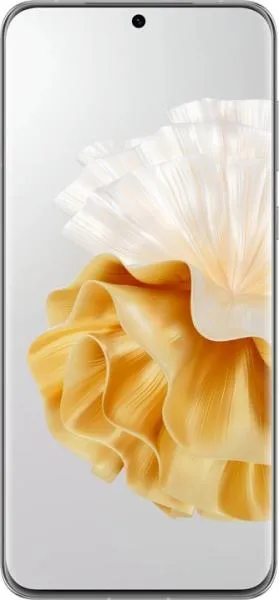
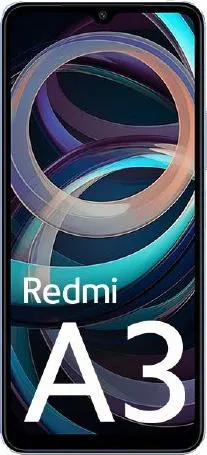
1. Specifications Comparison
| Feature | Huawei P60 Pro | Xiaomi Redmi A3 | Practical Impact |
|---|---|---|---|
| Design | |||
| Dimensions (mm) | 161 x 74.5 x 8.3 | 168.3 x 76.3 x 8.3 | P60 Pro is slightly smaller and potentially more pocketable. |
| Weight (g) | 200 | 193 | Negligible weight difference in real-world usage. |
| Build Materials | Missing | Missing | Cannot compare build quality and durability. |
| Display | |||
| Display Type | LTPO OLED | IPS LCD | P60 Pro offers superior contrast, deeper blacks, and potentially better power efficiency due to LTPO. Redmi A3's LCD might be brighter outdoors. |
| Size (inches) | 6.67 | 6.71 | Negligible size difference. |
| Resolution | 1220 x 2700 | 720 x 1650 | P60 Pro has a significantly sharper display, resulting in clearer text and images. Redmi A3's display will appear pixelated. |
| Refresh Rate (Hz) | 120 | 90 | P60 Pro provides smoother scrolling and animations. |
| Performance | |||
| Chipset | Snapdragon 8+ Gen 1 4G | Mediatek Helio G36 | P60 Pro offers vastly superior processing power for demanding tasks, gaming, and multitasking. Redmi A3 is for basic usage. |
| CPU | Octa-core (1x3.19 GHz Cortex-X2 & 3x2.75 GHz Cortex-A710 & 4x2.0 GHz Cortex-A510) | Octa-core (4x2.2 GHz Cortex-A53 & 4x1.6 GHz Cortex-A53) | P60 Pro's CPU architecture is significantly more powerful and efficient. |
| GPU | Adreno 730 | PowerVR GE8320 | P60 Pro offers dramatically better graphics performance for gaming and visually intensive applications. |
| RAM | 8/12GB | 3/4/6GB | P60 Pro allows for more apps to run in the background and smoother multitasking. Redmi A3 may experience performance limitations with multiple apps. |
| Camera | |||
| Main Camera | 48MP, f/1.4, Sony IMX888 | 8MP, f/2.0 | P60 Pro's camera boasts a significantly larger sensor, wider aperture, and advanced features, promising superior image quality, especially in low light. |
| Telephoto | 48MP, f/2.1, OmniVision | Missing | P60 Pro offers optical zoom capabilities, absent in the Redmi A3. |
| Video | 4K@60fps with EIS | 1080p@30fps | P60 Pro offers higher resolution and frame rate video recording with electronic image stabilization. |
| Battery | |||
| Capacity (mAh) | 4815 | 5000 | Redmi A3 has a slightly larger battery capacity, but real-world battery life depends on various factors like display and processor efficiency. |
| Fast Charging | 88W | 10W | P60 Pro charges significantly faster. |
2. Key Differences Analysis
Huawei P60 Pro Advantages:
- Flagship Performance: Significantly more powerful processor, GPU, and ample RAM for a smooth and responsive experience.
- High-Quality Display: Sharper, more vibrant OLED display with a faster refresh rate.
- Advanced Camera System: Higher resolution sensors, wider apertures, optical zoom, and superior video recording capabilities.
Xiaomi Redmi A3 Advantages:
- Lower Price: Significantly more affordable.
- Slightly Larger Battery: Potentially longer battery life for basic usage.
3. User Profiles & Recommendations
Huawei P60 Pro: Ideal for users who demand top-tier performance, a premium display, and a capable camera system. Suitable for power users, gamers, photographers, and videographers.
Xiaomi Redmi A3: Best suited for budget-conscious users with basic needs like calling, texting, browsing, and social media. Not recommended for demanding tasks or media consumption.
4. Decision Framework
Key Questions:
- What is your budget? The P60 Pro is a high-end phone, while the Redmi A3 is a budget device.
- What are your primary use cases? Gaming, photography, and demanding tasks favor the P60 Pro. Basic usage favors the Redmi A3.
- How important is display and camera quality? The P60 Pro significantly outperforms the Redmi A3 in these areas.
My Choice: Huawei P60 Pro
While the Redmi A3 is a budget-friendly option, the Huawei P60 Pro is the clear winner for me. The superior performance, stunning display, and advanced camera system are crucial for my needs. I prioritize a smooth user experience, high-quality media consumption, and the ability to capture great photos and videos. While the price difference is substantial, the P60 Pro's features justify the investment for a long-lasting, premium smartphone experience. The lack of 5G might be a concern for some, but 4G speeds are sufficient for my current usage.
