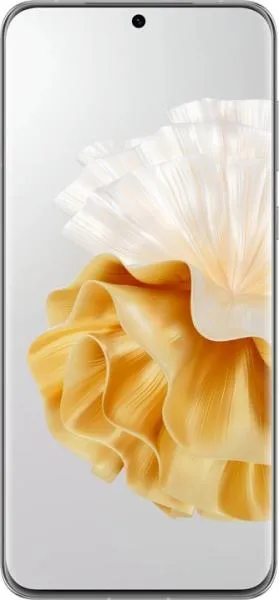
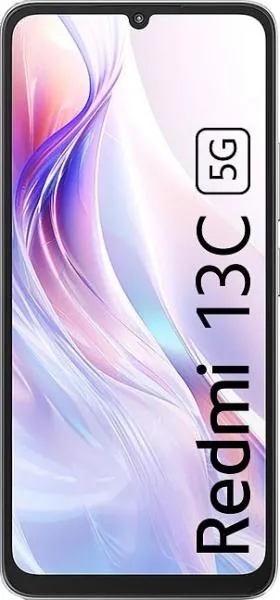
1. Specifications Comparison
| Feature | Huawei P60 Pro | Xiaomi Redmi 13C 5G | Practical Impact |
|---|---|---|---|
| Design | |||
| Dimensions (mm) | 161 x 74.5 x 8.3 | 168 x 78 x 8.1 | P60 Pro is more compact and potentially easier to handle. |
| Weight (g) | 200 | 192 | Negligible weight difference in real-world usage. |
| Build | Build quality cannot be compared due to missing information. | ||
| Display | |||
| Display Type | LTPO OLED | IPS LCD | P60 Pro offers superior contrast, deeper blacks, and potentially better power efficiency due to LTPO. |
| Size (inches) | 6.67 | 6.74 | Redmi 13C has a slightly larger screen. |
| Resolution | 1220 x 2700 | 720 x 1600 | P60 Pro boasts significantly sharper visuals due to much higher resolution. |
| Refresh Rate (Hz) | 120 | 90 | P60 Pro will deliver smoother animations and scrolling. |
| PPI | 444 | 260 | P60 Pro's display is significantly sharper and more detailed. |
| Performance | |||
| Chipset | Snapdragon 8+ Gen 1 4G | MediaTek Dimensity 6100+ 5G | P60 Pro offers significantly higher performance in demanding tasks and gaming. |
| CPU | Octa-core (1x3.19 GHz X2 & 3x2.75 GHz A710 & 4x2.0 GHz A510) | Octa-core (2x2.2 GHz A76 & 6x2.0 GHz A55) | P60 Pro has a more powerful CPU architecture, leading to faster processing speeds. |
| GPU | Adreno 730 | Mali-G57 MC2 | P60 Pro provides significantly better graphics performance for gaming and visually demanding applications. |
| RAM | 8GB/12GB | 4GB/6GB/8GB | P60 Pro offers more RAM in its higher-end configurations, enabling better multitasking and smoother performance. |
| Camera | |||
| Rear Camera | 48MP (Main) + 13MP (Wide) + 48MP (Telephoto) | 50MP (Main) + 0.8MP | P60 Pro features a more versatile camera system with a dedicated telephoto lens for optical zoom. The secondary 0.8MP lens on the Redmi 13C has limited practical use. |
| Front Camera | 31MP | 5MP | P60 Pro offers a higher resolution front camera for better selfies. |
| Video Recording | Up to 4K@60fps with EIS | Up to 1080p@30fps | P60 Pro allows for higher resolution and frame rate video recording. |
| Battery | |||
| Capacity (mAh) | 4815 | 5000 | Redmi 13C has a slightly larger battery capacity. |
| Charging | 88W Wired, 50W Wireless | 18W Wired | P60 Pro offers significantly faster wired and wireless charging. |
2. Key Differences Analysis
Huawei P60 Pro Advantages:
- Superior Display: Significantly sharper, smoother, and with better contrast.
- Flagship Performance: Much faster processor and GPU for demanding tasks and gaming.
- Versatile Camera System: Telephoto lens for optical zoom, higher resolution sensors.
- Faster Charging: Significantly faster wired and wireless charging capabilities.
- More Premium Design: Implied by the higher price range but cannot be fully assessed due to missing build material information.
Xiaomi Redmi 13C 5G Advantages:
- Larger Battery: Slightly larger battery capacity for potentially longer battery life.
- Lower Price: Significantly more affordable.
- 5G Connectivity: Supports 5G networks for faster data speeds.
3. User Profiles & Recommendations
Huawei P60 Pro: Users who prioritize performance, display quality, camera versatility, and fast charging. Ideal for:
- Power Users: Demanding tasks, multitasking, gaming.
- Photography Enthusiasts: Capturing high-quality photos and videos.
- Content Consumers: Enjoying media on a vibrant display.
Xiaomi Redmi 13C 5G: Budget-conscious users who prioritize basic functionality and 5G connectivity. Ideal for:
- Casual Users: Primarily using social media, browsing, and making calls.
- Budget-Focused Buyers: Seeking the best value for their money.
4. Decision Framework
Key Questions:
- What is your budget? The P60 Pro is significantly more expensive.
- What are your primary smartphone usage patterns? Gaming and demanding tasks benefit from the P60 Pro's performance, while casual use might not necessitate such power.
- Which features are most important to you? Prioritize display quality, camera versatility, or battery life based on your needs.
Scenario-Based Recommendations:
- Heavy User with High Budget: Huawei P60 Pro.
- Casual User with Limited Budget: Xiaomi Redmi 13C 5G.
- User Prioritizing 5G and Affordability: Xiaomi Redmi 13C 5G.
My Choice: Huawei P60 Pro
While significantly more expensive, the Huawei P60 Pro offers a substantially better user experience across the board. The superior display, performance, camera system, and fast charging outweigh the slightly larger battery and 5G connectivity of the Redmi 13C for my needs. I prioritize a smooth and responsive experience, high-quality visuals, and a versatile camera, making the P60 Pro the clear winner for me. The lack of 5G in the P60 Pro is a drawback, but 4G speeds are still sufficient for most tasks, and the overall performance advantages of the P60 Pro are more significant to me.
