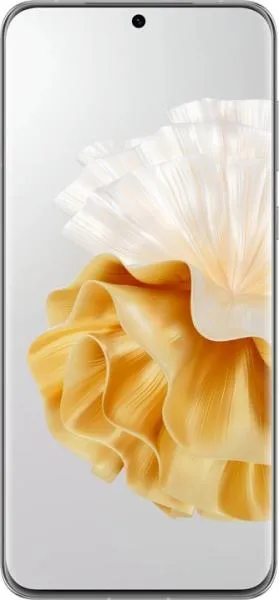
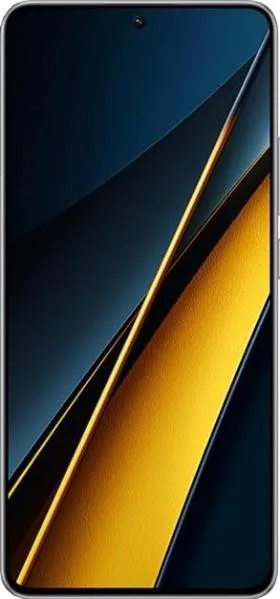
1. Specifications Comparison
| Feature | Huawei P60 Pro | Xiaomi Poco X6 Pro | Practical Impact |
|---|---|---|---|
| Design | |||
| Dimensions (mm) | 161 x 74.5 x 8.3 | 160.5 x 74.3 x 8.3 | Virtually identical in size and thickness. |
| Weight (g) | 200 | 186 | Poco X6 Pro is noticeably lighter, improving one-handed use. |
| Build Material | Not specified | Not specified | Cannot compare build quality and durability. |
| Display | |||
| Display Type | LTPO OLED | AMOLED | P60 Pro's LTPO allows for variable refresh rate, saving battery. Both offer vibrant colors and deep blacks. |
| Display Size (inches) | 6.67 | 6.67 | Identical screen sizes. |
| Resolution | 1220 x 2700 | 1220 x 2712 | Negligible difference in resolution. |
| Refresh Rate (Hz) | 120 | 120 | Both offer smooth scrolling and animations. |
| Peak Brightness (nits) | Not specified | 1800 | Poco X6 Pro likely offers better visibility in direct sunlight. |
| HDR | No Dolby Vision | HDR10+, Dolby Vision | Poco X6 Pro supports wider HDR standards for enhanced video playback. |
| Performance | |||
| Chipset | Snapdragon 8+ Gen 1 4G | Dimensity 8300 Ultra | Both are powerful chips, but benchmarks are needed for accurate comparison. Snapdragon generally has a stronger GPU. |
| CPU | Octa-core (up to 3.19 GHz) | Octa-core (up to 3.35 GHz) | Poco X6 Pro has slightly higher clock speeds, potentially offering a minor performance edge in CPU intensive tasks. |
| GPU | Adreno 730 | Mali G615-MC6 | Adreno 730 generally performs better in gaming and graphics-intensive tasks. |
| RAM | 8GB/12GB | 8GB/12GB | Both offer ample RAM for multitasking. |
| Storage | 256GB/512GB | 256GB/512GB | Similar storage options. |
| Camera | |||
| Main Camera (MP) | 48 | 64 | Higher megapixel count on Poco X6 Pro doesn't guarantee better image quality. Sensor size and processing are crucial. |
| Ultrawide (MP) | 13 | 8 | P60 Pro has a higher resolution ultrawide lens. |
| Telephoto (MP) | 48 | None | P60 Pro offers optical zoom capabilities, absent in Poco X6 Pro. This is a significant advantage for versatility. |
| Selfie Camera (MP) | 32 | 16 | P60 Pro has a higher resolution front-facing camera. |
| Battery | |||
| Capacity (mAh) | 4815 | 5000 | Poco X6 Pro has a slightly larger battery capacity. |
| Fast Charging (W) | 88 | 67 | P60 Pro offers significantly faster charging. |
| Wireless Charging | 50W | None | P60 Pro supports fast wireless charging, a significant convenience advantage. |
2. Key Differences Analysis
Huawei P60 Pro Advantages:
- Superior Camera System: Offers a periscope telephoto lens for optical zoom, a higher resolution ultrawide, and faster aperture on the main lens, potentially capturing better low-light photos.
- Faster Charging & Wireless Charging: Significantly faster wired charging and the inclusion of wireless charging offer greater convenience.
- LTPO Display: More power-efficient display due to variable refresh rate.
Xiaomi Poco X6 Pro Advantages:
- Lower Price: Significantly more affordable.
- Larger Battery: Slightly larger battery capacity may result in longer battery life.
- Newer OS: Ships with a more recent Android version, potentially offering longer software support.
- 5G Connectivity: Supports 5G networks for faster data speeds where available.
3. User Profiles & Recommendations
Huawei P60 Pro: Users who prioritize camera quality, premium features like wireless charging, and a smooth, power-efficient display. Ideal for photography enthusiasts, professionals, and those willing to pay a premium.
Xiaomi Poco X6 Pro: Budget-conscious users who want a powerful phone with a good display and long battery life. Suitable for everyday users, gamers on a budget, and those who prioritize value for money.
4. Decision Framework
Key Questions for Buyers:
- What is your budget? The price difference is significant.
- Is camera quality a top priority? The P60 Pro has a clear advantage in this area.
- Do you need 5G connectivity? The Poco X6 Pro offers 5G, while the P60 Pro is limited to 4G.
Scenario-Based Recommendations:
- Limited Budget: Poco X6 Pro
- Photography Enthusiast: Huawei P60 Pro
- Gamer on a Budget: Poco X6 Pro
- Power User Needing the Latest Features: Consider other options as neither phone fully fits this category.
My Choice: Huawei P60 Pro
While significantly more expensive, the Huawei P60 Pro offers a compelling combination of a superior camera system, faster and wireless charging, and a power-efficient display. The lack of 5G is a drawback, but 4G speeds are still sufficient for most users. The superior camera system, specifically the inclusion of a telephoto lens, is a deciding factor for me, as is the convenience of wireless charging. The Poco X6 Pro is a great value option, but the P60 Pro's advantages in key areas justify the higher price for my personal needs and priorities. I value image quality and charging convenience highly.
