1. Specifications Comparison
| Feature | Huawei P60 Pro | Xiaomi Poco M6 Pro | Practical Impact |
|---|---|---|---|
| Design | |||
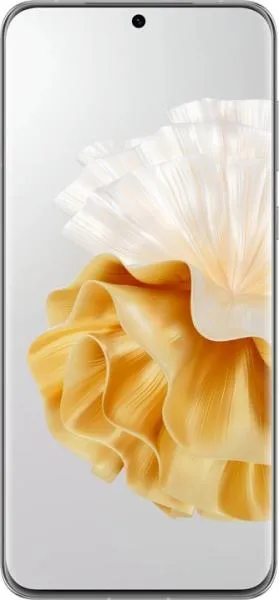
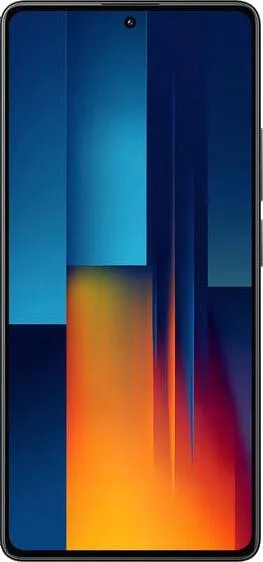
| Dimensions (mm) | 161 x 74.5 x 8.3 | 161.1 x 75 x 8 | Virtually identical in size |
| Weight (g) | 200 | 179 | Poco M6 Pro is noticeably lighter |
| Build | Unspecified | Unspecified | Build quality and materials cannot be compared due to lack of information |
| Display | |||
| Display Type | LTPO OLED | AMOLED | P60 Pro's LTPO OLED allows for dynamic refresh rate adjustment, saving battery. Both offer vibrant colors and deep blacks. |
| Size (inches) | 6.67 | 6.67 | Same screen size |
| Resolution | 1220 x 2700 | 1080 x 2400 | P60 Pro has a sharper display with higher pixel density (444 ppi vs 395 ppi), resulting in crisper text and images. |
| Refresh Rate (Hz) | 120 | 120 | Both offer smooth scrolling and animations. |
| Peak Brightness | Unspecified | 1800 nits | Poco M6 Pro's higher peak brightness ensures better visibility in direct sunlight. Lack of data for P60 Pro prevents full comparison. |
| Performance | |||
| Chipset | Snapdragon 8+ Gen 1 4G | MediaTek Helio G99 Ultra | P60 Pro boasts significantly more powerful CPU and GPU, enabling smoother multitasking, demanding gaming, and faster app loading. |
| CPU | Octa-core (1x3.19 GHz X2 & 3x2.75 GHz A710 & 4x2.0 GHz A510) | Octa-core (2x2.2 GHz A76 & 6x2.0 GHz A55) | P60 Pro's CPU architecture is superior, offering higher clock speeds and performance cores. |
| GPU | Adreno 730 | Mali-G57 MC2 | Adreno 730 provides a substantial advantage in graphics performance for gaming and visually intensive tasks. |
| RAM | 8GB/12GB | 6GB/8GB/12GB | Both offer ample RAM for multitasking, but the P60 Pro's faster processor will provide a smoother experience overall. |
| Camera | |||
| Main Camera | 48MP, f/1.4, Sony IMX888 | 64MP, f/1.79, Omnivision OV64B | P60 Pro likely offers better low-light performance and dynamic range due to larger sensor size (1/1.4") and wider aperture (f/1.4). DXOMark score of 156 for the P60 Pro confirms superior camera quality. |
| Video Recording | Up to 4K@60fps with EIS | Up to 1080p@60fps with EIS | P60 Pro supports higher resolution video recording (4K) and boasts superior image stabilization. |
| Battery | |||
| Capacity (mAh) | 4815 | 5000 | Poco M6 Pro has slightly larger battery capacity. |
| Fast Charging | 88W | 67W | P60 Pro offers faster charging speeds. |
2. Key Differences Analysis
Huawei P60 Pro Advantages:
- Significantly superior performance: The Snapdragon 8+ Gen 1 provides a substantial advantage in processing power and graphics rendering.
- Sharper, more responsive display: Higher resolution and LTPO technology deliver a premium visual experience.
- Superior camera system: Higher quality sensor, wider aperture, and advanced features result in better photos and videos. DXOMark score further validates this.
Xiaomi Poco M6 Pro Advantages:
- Lower price: Significantly more affordable.
- Slightly larger battery: Potentially longer battery life, though real-world usage will depend on various factors.
- Higher peak brightness: Better screen visibility outdoors.
Trade-offs:
- P60 Pro: Higher price for premium features. Lack of 5G might be a concern for some users.
- Poco M6 Pro: Compromises on performance and camera quality for affordability.
3. User Profiles & Recommendations
Huawei P60 Pro: Ideal for users who prioritize performance, a premium display, and excellent camera capabilities. Suitable for demanding tasks, gaming, and content creation.
Xiaomi Poco M6 Pro: Best suited for budget-conscious users who prioritize battery life and a large screen. Suitable for everyday tasks, social media, and casual gaming.
4. Decision Framework
Key Questions:
- What is your budget? The P60 Pro is significantly more expensive.
- What are your primary smartphone usage patterns? Demanding tasks and gaming benefit from the P60 Pro's performance, while casual usage may not necessitate such power.
- How important is camera quality? The P60 Pro offers a noticeable advantage in this area.
Scenario-Based Recommendations:
- Heavy user, gamer, photographer: Huawei P60 Pro
- Budget-conscious, casual user: Xiaomi Poco M6 Pro
My Choice: Huawei P60 Pro
While the Xiaomi Poco M6 Pro offers excellent value for its price, I would choose the Huawei P60 Pro. The significant difference in performance, camera quality, and display technology justifies the higher price for me. I prioritize a smooth and responsive user experience, especially for demanding tasks and mobile photography. The lack of 5G is a drawback, but not a dealbreaker considering the overall package. The P60 Pro offers a more future-proof and premium experience.
