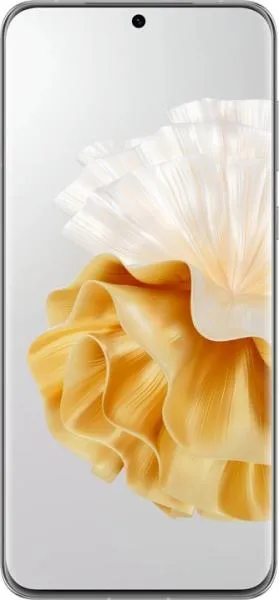
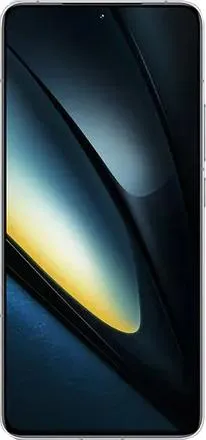
1. Specifications Comparison
| Feature | Huawei P60 Pro | Xiaomi Poco F6 Pro | Practical Impact |
|---|---|---|---|
| Design | |||
| Dimensions (mm) | 161 x 74.5 x 8.3 | 160.9 x 75 x 8.2 | Virtually identical in size and feel. |
| Weight (g) | 200 | 209 | Negligible weight difference in real-world usage. |
| Build Materials | Unspecified | Unspecified | Build quality and durability cannot be compared without further information. |
| Display | |||
| Display Type | LTPO OLED | AMOLED | P60 Pro's LTPO panel offers better power efficiency with dynamic refresh rate adjustment. |
| Size (inches) | 6.67 | 6.67 | Same screen size. |
| Resolution | 1220 x 2700 | 1440 x 3200 | Poco F6 Pro has a sharper display with significantly higher pixel density, resulting in crisper text and images. |
| Refresh Rate | 120Hz | 120Hz | Both offer smooth scrolling and animations. |
| Peak Brightness | Unspecified | 4000 nits | Poco F6 Pro's higher peak brightness ensures better visibility in direct sunlight. Missing information for the P60 Pro hinders a complete comparison. |
| Color Depth | 1B | 68B | Poco F6 Pro offers a wider color gamut resulting in more vibrant and accurate colors. |
| HDR Support | None specified | HDR10+, Dolby Vision | Poco F6 Pro provides superior HDR support for compatible content, leading to a better viewing experience. |
| Performance | |||
| Chipset | Snapdragon 8+ Gen 1 4G | Snapdragon 8 Gen 2 | Poco F6 Pro's newer Snapdragon 8 Gen 2 offers significantly improved CPU and GPU performance, resulting in faster app loading, smoother multitasking, and better gaming performance. |
| CPU | Octa-core (1x3.19 GHz Cortex-X2 & 3x2.75 GHz Cortex-A710 & 4x2.0 GHz Cortex-A510) | Octa-core (1x3.2 GHz Cortex-X3 & 2x2.8 GHz Cortex-A715 & 2x2.8 GHz Cortex-A710 & 3x2.0 GHz Cortex-A510) | Poco F6 Pro benefits from newer core architecture leading to a performance advantage. |
| GPU | Adreno 730 | Adreno 740 | Poco F6 Pro's Adreno 740 delivers a noticeable improvement in graphics performance for demanding games and applications. |
| RAM | 8GB/12GB | 12GB/16GB | Poco F6 Pro offers higher RAM configurations, enabling better multitasking and handling of demanding applications. |
| Storage | 256GB/512GB | 256GB/512GB/1TB | Poco F6 Pro offers a 1TB storage option for users needing extensive local storage. |
| Camera | |||
| Main Camera | 48MP, f/1.4 | 50MP, f/1.6 | Both phones have high-resolution main cameras; detailed image quality comparison requires real-world testing and considering computational photography capabilities. |
| Ultrawide | 13MP, f/2.2 | 8MP, f/2.2 | P60 Pro has a higher resolution ultrawide, but lens quality and processing significantly impact results. |
| Telephoto | 48MP, f/2.1, 3.5x optical zoom | Macro 2MP, f/2.4 | P60 Pro features a dedicated telephoto lens for optical zoom, while Poco F6 Pro has a low-resolution macro lens. This suggests a vastly different approach to camera versatility. |
| Video Recording | Up to 4K@60fps with EIS | Up to 8K@24fps with EIS | Poco F6 Pro supports higher resolution video recording but practical benefits depend on user needs and display devices. |
| Battery | |||
| Capacity | 4815 mAh | 5000 mAh | Poco F6 Pro has slightly larger battery capacity, potentially offering longer usage time. |
| Fast Charging | 88W | 120W | Poco F6 Pro offers significantly faster charging speeds, reducing downtime. |
2. Key Differences Analysis
Huawei P60 Pro Advantages:
- LTPO Display: More power efficient.
- Dedicated Telephoto Lens: Offers superior optical zoom capabilities.
- Potentially Better Main Camera Image Quality: Requires real-world comparison.
Xiaomi Poco F6 Pro Advantages:
- Significantly More Powerful: Newer chipset and GPU result in better overall performance.
- Sharper Display: Higher resolution and pixel density.
- Faster Charging: 120W significantly reduces charging time.
- Larger Battery: Potentially longer battery life.
- Wider Color Gamut and HDR Support: Superior display for multimedia consumption.
- Lower Price: Offers excellent value for its performance.
Trade-offs:
- P60 Pro: Less powerful, slower charging, lacks HDR support, potentially higher price.
- Poco F6 Pro: Lacks a dedicated telephoto lens, macro lens is low resolution, real-world camera performance needs further evaluation.
3. User Profiles & Recommendations
Huawei P60 Pro: Users prioritizing camera quality, particularly optical zoom, and who value a power-efficient display.
Xiaomi Poco F6 Pro: Users who prioritize performance, a sharp and vibrant display, fast charging, and value for money. Suitable for gamers, power users, and multimedia enthusiasts.
4. Decision Framework
Key Questions for Buyers:
- What is your budget? The Poco F6 Pro offers significantly better value for its price.
- What are your primary use cases? Photography enthusiasts might prefer the P60 Pro, while gamers and power users would lean towards the Poco F6 Pro.
- How important is future-proofing? The Poco F6 Pro, with its newer hardware, is better equipped for future software updates and demanding applications.
My Choice: Xiaomi Poco F6 Pro
While the Huawei P60 Pro might offer advantages in specific camera scenarios, the Xiaomi Poco F6 Pro is the clear winner for me. Its superior performance, sharper display, faster charging, larger battery, and significantly lower price make it a compelling package. The newer hardware ensures better future-proofing and a smoother overall user experience. While the P60 Pro has a dedicated telephoto lens, the lack of comprehensive camera reviews makes it difficult to definitively conclude its superiority. The overall value proposition of the Poco F6 Pro is significantly stronger. The lack of 5G in the Huawei P60 Pro further solidifies the Poco F6 Pro as the preferred choice in today's market.
