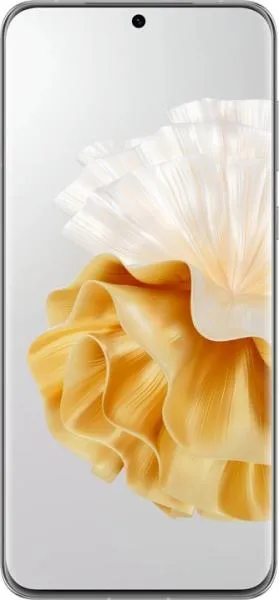
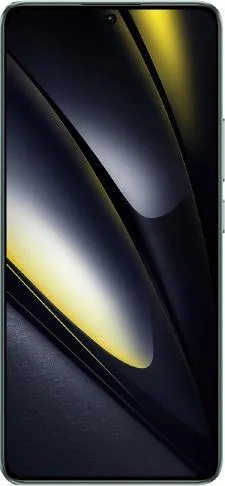
1. Specifications Comparison
| Feature | Huawei P60 Pro | Xiaomi Poco F6 | Practical Impact |
|---|---|---|---|
| Design | |||
| Dimensions (mm) | 161 x 74.5 x 8.3 | 160.5 x 74.5 x 8 | Virtually identical in size and feel |
| Weight (g) | 200 | 179 | Poco F6 is noticeably lighter for daily use |
| Build | Glass front, glass back (unspecified frame) | Glass front, plastic frame, glass back | P60 Pro likely feels more premium; Poco F6's plastic frame may be less durable |
| Display | |||
| Size (inches) | 6.67 | 6.67 | Same screen size |
| Resolution | 1220 x 2700 | 1220 x 2712 | Negligible difference in sharpness |
| Type | LTPO OLED | AMOLED | P60 Pro's LTPO panel allows for dynamic refresh rate, potentially saving battery |
| Refresh Rate (Hz) | 120 | 120 | Both offer smooth scrolling and animations |
| Color Depth | 1B | 68B | Poco F6 offers wider color gamut for more vibrant visuals |
| HDR | No HDR10/10+ or Dolby Vision | HDR10+, Dolby Vision | Poco F6 provides better HDR video playback experience |
| Peak Brightness (nits) | Unspecified | 2400 | Poco F6's significantly higher peak brightness ensures better visibility outdoors |
| Performance | |||
| Chipset | Snapdragon 8+ Gen 1 4G (4nm) | Snapdragon 8s Gen 3 (4nm) | Poco F6 has a newer, slightly more powerful processor |
| CPU | Octa-core (1x3.19 GHz X2 & 3x2.75 GHz A710 & 4x2.0 GHz A510) | Octa-core (1x3.0 GHz X4 & 4x2.8 GHz A720 & 3x2.0 GHz A520) | Both offer high-end performance; differences will be minor in everyday tasks |
| GPU | Adreno 730 | Adreno 735 | Poco F6 has a slightly better GPU for improved gaming performance |
| RAM | 8GB/12GB | 8GB/12GB | Depends on the specific configuration |
| OS | Unspecified | Android 14 | Poco F6 comes with a clearly defined and up-to-date OS |
| Camera | |||
| Main Camera | 48MP, f/1.4, OIS | 50MP, f/1.6, OIS | Both offer high-resolution sensors with OIS; practical image quality differences need real-world testing |
| Ultrawide | 13MP, f/2.2 | 8MP, f/2.2 | P60 Pro has a higher resolution ultrawide |
| Telephoto | 48MP, f/2.1, OIS, 3.5x optical zoom | None | P60 Pro offers significantly superior zoom capabilities |
| Video | 4K@60fps with EIS | 4K@60fps, 8K@30fps with EIS | Poco F6 adds 8K video recording, but practical benefits are limited |
| Battery | |||
| Capacity (mAh) | 4815 | 5000 | Poco F6 has slightly larger battery capacity |
| Charging | 88W wired, 50W wireless | 90W wired | Both offer exceptionally fast wired charging; Poco F6 is slightly faster |
2. Key Differences Analysis
Huawei P60 Pro Advantages:
- Superior Display Technology (LTPO): Dynamic refresh rate optimization for improved battery life.
- Better Camera System: Higher resolution ultrawide and dedicated telephoto lens for optical zoom.
- Premium Build: likely utilizes more premium materials
Xiaomi Poco F6 Advantages:
- Lower Price: Significantly more affordable.
- Newer, More Powerful Chipset: Snapdragon 8s Gen 3 offers performance and efficiency gains.
- Brighter Display: Much higher peak brightness for better outdoor visibility.
- Larger Battery: Slightly larger battery for extended usage.
- 8K Video Recording: While practical benefits are limited, offers higher resolution video capture.
- Confirmed OS: Ships with the latest Android version.
3. User Profiles & Recommendations
Huawei P60 Pro: Users prioritizing camera quality, premium design, and potentially longer battery life due to LTPO. Best for photography enthusiasts, professionals seeking a stylish device.
Xiaomi Poco F6: Price-conscious users wanting excellent performance, a bright display, and fast charging. Ideal for gamers, content consumers, and those seeking the best value for their money.
4. Decision Framework
Key Questions:
- What is your budget? The Poco F6 offers significantly better value if price is a major concern.
- What are your primary use cases? Photography enthusiasts will favor the P60 Pro; gamers and content consumers might prefer the Poco F6.
- How important is software and long-term support? The lack of clear OS information for the P60 Pro is a concern. Poco F6 has a defined OS path.
Scenario-Based Recommendations:
- Limited Budget: Poco F6
- Photography Focus: P60 Pro
- Gaming/Performance Focus: Poco F6
- Latest Software and Features: Poco F6
My Choice: Xiaomi Poco F6
While the P60 Pro excels in camera technology and potentially build quality, the Poco F6 offers a more compelling overall package for my needs. The significantly lower price, combined with the newer processor, brighter display, larger battery, and confirmed up-to-date OS make it a clear winner in terms of value. I am willing to compromise slightly on camera zoom capabilities for the substantial cost savings and other benefits the Poco F6 provides. The lack of clear information about the P60 Pro's OS is also a major deterrent. For most users, including myself, the Poco F6 will provide a more satisfying and future-proof experience.
