1. Specifications Comparison
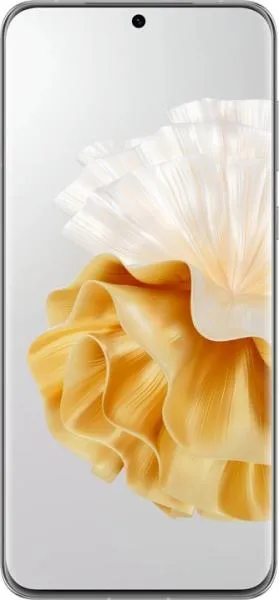
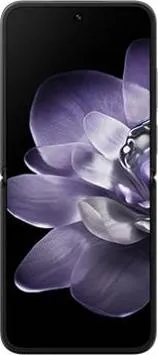
| Feature | Huawei P60 Pro | Xiaomi Mix Flip | Practical Impact |
|---|---|---|---|
| Design | |||
| Dimensions (mm) | 161 x 74.5 x 8.3 | 167.5 x 74 x 7.6 | Mix Flip is taller and slightly thinner when folded. P60 Pro is lighter. Foldable design significantly impacts portability and usability for the Mix Flip. |
| Weight (g) | 200 | 190 | Negligible difference in weight for one-handed use. |
| Foldable | No | Yes | Mix Flip's foldable design allows for a larger screen in a more pocketable form factor. |
| Display | |||
| Size (inches) | 6.67 | 6.86 | Mix Flip offers a larger display area for media consumption and multitasking due to its foldable nature. |
| Resolution (px) | 1220 x 2700 | 1224 x 2912 | Mix Flip has a slightly higher resolution, resulting in marginally sharper visuals. |
| Type | LTPO OLED | Foldable LTPO AMOLED | Both are high-quality displays with excellent color reproduction and power efficiency. The Mix Flip's fold introduces a potential crease and durability concerns. |
| Refresh Rate (Hz) | 120 | 120 | Both offer smooth scrolling and animations. |
| Peak Brightness (nits) | Not specified | 3000 | Mix Flip's higher peak brightness ensures better visibility in direct sunlight. Missing P60 Pro data limits comparison. |
| HDR | No Dolby Vision | Dolby Vision, HDR10+ | Mix Flip supports wider HDR standards for enhanced video playback quality. |
| Performance | |||
| Chipset | Snapdragon 8+ Gen 1 4G | Snapdragon 8 Gen 3 | Mix Flip boasts a newer, more powerful processor resulting in significantly improved performance and efficiency. |
| CPU | Octa-core (up to 3.19 GHz) | Octa-core (up to 3.3 GHz) | Mix Flip's faster CPU delivers better multitasking and demanding application performance. |
| GPU | Adreno 730 | Adreno 750 | Mix Flip's superior GPU offers smoother gaming and faster graphics rendering. |
| RAM (GB) | 8/12 | 12/16 | Mix Flip offers more RAM in its higher-end configurations, benefiting heavy multitasking. |
| Camera | |||
| Main Camera (MP) | 48 | 50 | Resolution difference is minimal. Sensor details and image processing will play a larger role in image quality. |
| Telephoto (MP) | 48 | 60 | Mix Flip has a higher resolution telephoto lens, potentially offering better zoom capabilities. Practical difference depends on lens quality and software processing. |
| Selfie (MP) | 32 | 32 | Similar resolution. Practical difference depends on sensor and software processing. |
| Video | Up to 4K@60fps with EIS | Up to 8K@24fps with HDR | Mix Flip can record higher resolution video, though 4K is sufficient for most users. HDR video on Mix Flip will provide better dynamic range. |
| Battery | |||
| Capacity (mAh) | 4815 | 4780 | Negligible difference in battery capacity. Real-world battery life depends on usage patterns and software optimization. |
| Fast Charging (W) | 88 | 67 | P60 Pro offers significantly faster wired charging. |
2. Key Differences Analysis
Huawei P60 Pro Advantages:
- Faster Charging: Significantly faster wired charging speeds.
- Potentially Lower Price: Older generation may translate to lower price depending on market.
- Established Camera Performance: Huawei's P series is known for strong camera performance, though specific sensor and processing comparisons are needed.
Xiaomi Mix Flip Advantages:
- Foldable Design: Offers a larger screen in a compact form factor.
- More Powerful Performance: Newer generation chipset provides a significant performance boost.
- Better Display: Larger, brighter display with wider HDR support.
- 5G Connectivity: Offers faster cellular data speeds.
Trade-offs:
- Mix Flip: Foldable design introduces potential durability concerns and a crease. Higher price. Slower charging.
- P60 Pro: Older processor. Lacks 5G. Missing display brightness specs limit evaluation.
3. User Profiles & Recommendations
Huawei P60 Pro: Users prioritizing faster charging, potentially lower cost, and a traditional smartphone form factor. Suitable for users who prioritize still photography and are not concerned about having the latest hardware.
Xiaomi Mix Flip: Users who value a larger screen in a compact device, prioritize performance and cutting-edge technology, and utilize 5G connectivity. Suitable for users who consume a lot of media, multitask heavily, and want a unique device.
4. Decision Framework
Key Questions:
- Is a foldable design important to you? This impacts portability, screen size, and durability considerations.
- Do you prioritize performance or battery charging speed? The Mix Flip offers superior performance, while the P60 Pro charges much faster.
- What is your budget? Foldable phones generally command a higher price premium.
Scenario-Based Recommendations:
- Heavy Multitasker with Large Media Consumption: Xiaomi Mix Flip
- User on a Budget Prioritizing Camera and Fast Charging: Huawei P60 Pro
- User Wanting the Latest Technology and 5G: Xiaomi Mix Flip
My Choice: Xiaomi Mix Flip
While the Huawei P60 Pro offers compelling features like faster charging and potentially a lower price, the Xiaomi Mix Flip's foldable design, significantly more powerful processor, brighter and larger display with better HDR support, and 5G connectivity make it the more appealing choice for me. I value the unique form factor and the future-proof nature of the newer hardware. The performance gains and improved media consumption experience outweigh the slower charging speeds for my personal use case. I acknowledge the potential durability concerns of a foldable, but the innovative design and larger screen are worth the trade-off for me.
