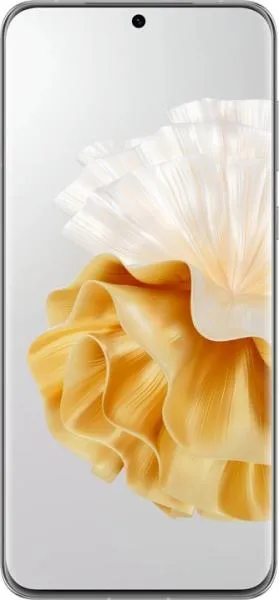
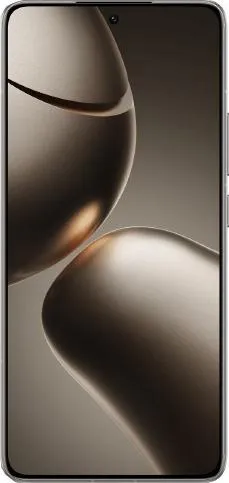
1. Specifications Comparison
| Feature | Huawei P60 Pro | Xiaomi 14T Pro | Practical Impact |
|---|---|---|---|
| Design | |||
| Dimensions (mm) | 161 x 74.5 x 8.3 | 160.4 x 75.1 x 8.4 | Virtually identical in size and feel. |
| Weight (g) | 200 | 209 | Negligible weight difference in daily use. |
| Build Materials | Not specified | Not specified | Unable to compare build quality and durability. |
| Display | |||
| Display Type | LTPO OLED | AMOLED | Both offer excellent contrast and vibrant colors, but the LTPO panel on the P60 Pro allows for dynamic refresh rate adjustment, potentially saving battery life. |
| Display Size (inches) | 6.67 | 6.67 | Identical screen size. |
| Resolution | 1220 x 2700 | 1220 x 2712 | Nearly identical resolution, resulting in similar sharpness. |
| Refresh Rate (Hz) | 120 | 144 | The 144Hz refresh rate on the 14T Pro provides smoother animations and scrolling, especially noticeable in gaming and fast-paced content. |
| Peak Brightness (nits) | Not specified | 4000 | The 14T Pro's higher peak brightness ensures better visibility in direct sunlight. Lack of data for P60 Pro prevents full comparison. |
| Color Depth | 1B | 68B | 14T Pro supports a wider color gamut, potentially delivering more nuanced and accurate colors in supported content. |
| HDR | No Dolby Vision | Dolby Vision, HDR10+ | The 14T Pro supports a wider range of HDR standards for a superior video playback experience with compatible content. |
| Performance | |||
| Chipset | Snapdragon 8+ Gen 1 4G | Dimensity 9300+ | Both are high-end chipsets, but the Dimensity 9300+ is newer and generally considered more powerful based on benchmarks. The lack of 5G on the P60 Pro is a significant disadvantage. |
| CPU | Octa-core (1x3.19 GHz X2 & 3x2.75 GHz A710 & 4x2.0 GHz A510) | Octa-core (1x3.4 GHz X4 & 3x2.85 GHz X4 & 4x2.0 GHz A720) | The 14T Pro's CPU boasts faster clock speeds and a more modern architecture, likely translating to faster app loading, smoother multitasking, and better overall performance. |
| GPU | Adreno 730 | Immortalis-G720 MC12 | The Immortalis-G720 in the 14T Pro is generally more powerful, providing a better gaming experience and smoother graphics performance. |
| RAM | 8GB/12GB | 12GB | More RAM in some 14T Pro variants allows for better multitasking and app switching. |
| Camera | |||
| Main Camera | 48MP, f/1.4 | 50MP, f/1.6 | Both offer high-resolution sensors; however, image quality depends on factors beyond megapixels, such as sensor size and processing. |
| Telephoto | 48MP, f/2.1, 3.5x Optical Zoom | 50MP, f/2.0 | Both offer high-resolution telephoto lenses, but specific zoom capabilities and image quality are difficult to compare without further details on lens quality and image processing. |
| Ultrawide | 13MP, f/2.2 | 12MP, f/2.2 | Similar ultrawide cameras; real-world performance depends on lens quality and distortion correction. |
| Video Recording | Up to 4K@60fps | Up to 8K@30fps | The 14T Pro offers higher resolution video recording capabilities. |
| Battery | |||
| Capacity (mAh) | 4815 | 5000 | The 14T Pro has a slightly larger battery, potentially offering longer battery life. |
| Fast Charging | 88W wired, 50W wireless | 120W wired, 50W wireless | The 14T Pro offers significantly faster wired charging. |
2. Key Differences Analysis
Huawei P60 Pro Advantages:
- LTPO Display: Dynamic refresh rate adjustment can lead to better battery life.
- Potentially better camera image quality: DxOMark score suggests superior photo and video quality, but real-world results can vary.
Xiaomi 14T Pro Advantages:
- More powerful chipset and GPU: Results in smoother performance for demanding tasks and gaming.
- Higher refresh rate display: Offers smoother scrolling and animations.
- Faster wired charging: Significantly reduces charging time.
- 5G Connectivity: Future-proofs the device and provides faster mobile data speeds where available.
- Lower Price: Offers better value for money.
- Brighter Display: Better outdoor visibility.
- Wider Color Gamut & HDR Support: More immersive media consumption.
- 8K Video Recording: Captures higher resolution videos.
3. User Profiles & Recommendations
Huawei P60 Pro: Users who prioritize camera quality and potentially longer battery life and who are not concerned about lacking 5G connectivity.
Xiaomi 14T Pro: Users who value performance, fast charging, a smooth display, the latest connectivity (5G), and a more affordable price. Best for gamers, power users, and content consumers.
4. Decision Framework
Key Questions for Buyers:
- Is 5G connectivity essential? If yes, the Xiaomi 14T Pro is the only option.
- What is your budget? The Xiaomi 14T Pro offers better value for its price.
- What are your primary use cases? (e.g., photography, gaming, general use)
My Choice: Xiaomi 14T Pro
The Xiaomi 14T Pro is the clear winner for me. While the P60 Pro might have a slight edge in camera quality based on DxOMark scores (real-world results might differ), the 14T Pro's advantages are far more significant:
- 5G connectivity is crucial for future-proofing. The P60 Pro's lack of 5G is a major drawback.
- The Dimensity 9300+ offers a noticeable performance advantage, important for demanding tasks and gaming.
- The 144Hz display and faster charging significantly improve daily usability.
- The lower price of the 14T Pro makes it a much more compelling value proposition.
While acknowledging that camera quality is a subjective preference and the P60 Pro could potentially excel in this area, the 14T Pro's comprehensive advantages in performance, connectivity, display, and price make it the superior choice overall.
