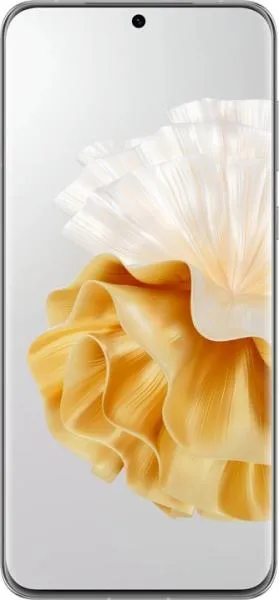
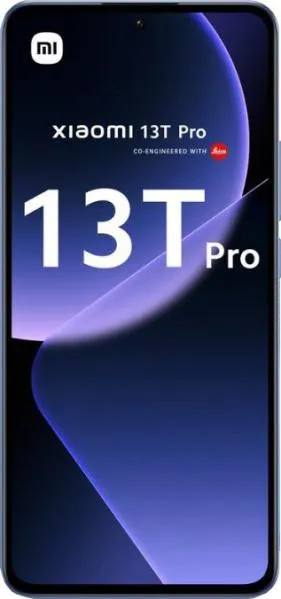
1. Specifications Comparison
| Feature | Huawei P60 Pro | Xiaomi 13T Pro | Practical Impact |
|---|---|---|---|
| Design | |||
| Dimensions (mm) | 161 x 74.5 x 8.3 | 162.2 x 75.7 x 8.5 | Xiaomi 13T Pro is slightly larger and thicker. Negligible difference in daily use. |
| Weight (g) | 200 | 204 | Virtually identical weight; no noticeable difference in hand. |
| Display | |||
| Display Size (inches) | 6.67 | 6.67 | Same screen size. |
| Resolution (px) | 1220 x 2700 | 1220 x 2712 | Negligible difference in resolution; both offer sharp visuals. |
| Panel Type | LTPO OLED | AMOLED | P60 Pro's LTPO panel allows for dynamic refresh rate adjustment, potentially saving battery. Xiaomi's AMOLED offers potentially higher peak brightness. |
| Refresh Rate (Hz) | 120 | 144 | 13T Pro offers smoother scrolling and animations, especially noticeable in gaming. |
| Color Depth | 1B | 68B | Xiaomi 13T Pro supports a wider color gamut, resulting in more vibrant and accurate colors. |
| HDR Support | No Dolby Vision | Dolby Vision, HDR10+ | Xiaomi 13T Pro provides better HDR support for compatible content on streaming services. |
| Performance | |||
| Chipset | Snapdragon 8+ Gen 1 4G | Dimensity 9200+ | Both are high-performance chipsets, but Dimensity 9200+ is generally considered slightly faster. |
| CPU | Octa-core (1x3.19 GHz X2 & 3x2.75 GHz A710 & 4x2.0 GHz A510) | Octa-core (1x3.35 GHz X3 & 3x3.0 GHz A715 & 4x2.0 GHz A510) | Xiaomi 13T Pro has a slightly faster CPU architecture, leading to potentially better performance in demanding tasks. |
| GPU | Adreno 730 | Immortalis-G715 MC11 | Both offer excellent gaming performance, but benchmarks suggest Immortalis-G715 might have a slight edge. |
| RAM (GB) | 8/12 | 12/16 | Xiaomi offers higher RAM options, benefiting multitasking and demanding applications. |
| Camera | |||
| Main Camera (MP) | 48 | 50 | Both high resolution; image quality depends more on sensor and processing. Xiaomi utilizes a larger sensor (1/1.28" vs 1/1.4"), potentially capturing more light. |
| Telephoto | 48MP, 3.5x optical zoom | 50MP, 2x optical zoom; dedicated portrait lens | P60 Pro boasts a higher optical zoom range. Xiaomi offers a dedicated portrait lens, potentially improving portrait shots. |
| Ultrawide (MP) | 13 | 13 | Similar resolution; practical difference will depend on lens quality and software processing. |
| DXOMARK Score | 156 | 131 | P60 Pro scores significantly higher in DXOMARK, suggesting superior overall camera performance. However, real-world results may vary. |
| Battery | |||
| Capacity (mAh) | 4815 | 5000 | Xiaomi 13T Pro has a slightly larger battery, potentially offering longer battery life. |
| Fast Charging (W) | 88 | 120 | Xiaomi 13T Pro charges significantly faster. |
2. Key Differences Analysis
Huawei P60 Pro Advantages:
- Superior Camera System (based on DXOMARK): Notably better zoom capabilities and overall image quality according to DXOMARK.
- LTPO Display: More power-efficient due to dynamic refresh rate.
Xiaomi 13T Pro Advantages:
- Faster Performance: More powerful chipset and higher RAM options.
- Higher Refresh Rate Display: Smoother visual experience for gaming and scrolling.
- Faster Charging: Significantly faster charging speeds.
- Lower Price: Offers better price-to-performance ratio.
- Wider Color Gamut: More vibrant and accurate color representation.
- Better HDR Support: Enhanced viewing experience for compatible content.
Trade-offs:
- P60 Pro sacrifices performance and faster charging for a potentially superior camera system and more power-efficient display.
- Xiaomi 13T Pro prioritizes performance and value, but might compromise slightly on camera quality compared to the P60 Pro.
3. User Profiles & Recommendations
Huawei P60 Pro: Ideal for users who prioritize camera quality and battery life over raw performance. Best for photography enthusiasts, content creators, and users who value a premium and power-efficient device.
Xiaomi 13T Pro: Suitable for users seeking top-tier performance, fast charging, and a vibrant display at a more competitive price. Best for gamers, power users, and those who consume a lot of multimedia content.
4. Decision Framework
Key Questions:
- What is your budget? The Xiaomi 13T Pro offers significantly better value for its price.
- What are your primary use cases? Photography enthusiasts will lean towards the P60 Pro, while gamers and power users will prefer the Xiaomi 13T Pro.
- How important is battery life and charging speed? While both phones have good battery life, the Xiaomi 13T Pro charges much faster.
Scenario-Based Recommendations:
- Limited Budget, Focus on Gaming: Xiaomi 13T Pro
- Photography Enthusiast, Willing to Spend More: Huawei P60 Pro
- Balanced User, Seeking Value and Performance: Xiaomi 13T Pro
My Choice: Xiaomi 13T Pro
While the Huawei P60 Pro boasts an impressive camera system, the Xiaomi 13T Pro offers a more compelling overall package for my needs. The significantly faster performance, higher refresh rate display, faster charging, and lower price are major advantages. The difference in camera quality, while noticeable based on DXOMARK, might not be significant enough in real-world usage to justify the higher price and performance trade-offs for me personally. I value a smooth and responsive user experience, and the Xiaomi 13T Pro delivers that in spades. Additionally, the wider color gamut and HDR support enhance the multimedia consumption experience. Finally, the significant price difference makes the Xiaomi 13T Pro a much better value proposition.
