1. Specifications Comparison
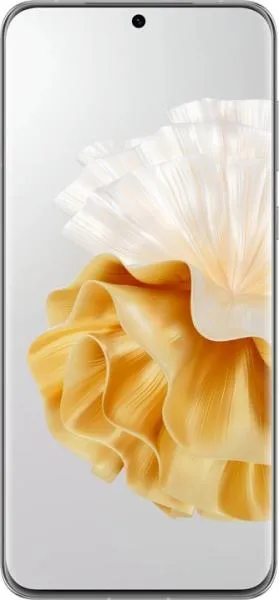
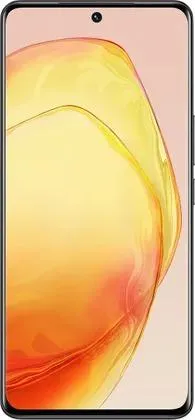
| Feature | Huawei P60 Pro | vivo V29 | Practical Impact |
|---|---|---|---|
| Design | |||
| Dimensions (mm) | 161 x 74.5 x 8.3 | 164.2 x 74.4 x 7.5 | V29 slightly taller and thinner. Negligible difference in daily use. |
| Weight (g) | 200 | 186 | V29 noticeably lighter, improving one-handed use and comfort. |
| Build | Unspecified | Unspecified | Build quality and materials unknown, limiting comparison. |
| Display | |||
| Display Type | LTPO OLED | AMOLED | P60 Pro's LTPO panel enables dynamic refresh rate for better battery efficiency. Both offer vibrant colors and deep blacks. |
| Size (inches) | 6.67 | 6.78 | V29 has a slightly larger display, providing more screen real estate. |
| Resolution | 1220 x 2700 | 1260 x 2800 | Both offer sharp displays; V29 slightly sharper due to higher resolution and pixel density. Difference negligible in practice. |
| Refresh Rate (Hz) | 120 | 120 | Both offer smooth scrolling and animations. |
| HDR | No HDR10/10+ | HDR10+ | V29 supports HDR10+ for enhanced video playback with wider color gamut and dynamic range. |
| Performance | |||
| Chipset | Snapdragon 8+ Gen 1 4G | Snapdragon 778G 5G | P60 Pro boasts significantly more powerful CPU and GPU, resulting in smoother performance for demanding tasks and gaming. However, it lacks 5G connectivity. |
| RAM (GB) | 8/12 | 8/12 | Both offer sufficient RAM for multitasking, although specific configurations vary. |
| Storage (GB) | 256/512 | 128/256/512 | Both offer ample storage options. |
| Connectivity | 4G | 5G | V29 offers faster cellular data speeds and future-proofing with 5G. P60 Pro limited to 4G. |
| Camera | |||
| Main Camera (MP) | 48 MP, f/1.4 | 50 MP, f/1.89 | P60 Pro uses a larger sensor (1/1.4") and wider aperture, potentially capturing more light and detail in low-light conditions. Specific sensor details for V29 missing, hindering detailed comparison. |
| Telephoto | 48 MP, 3.5x optical zoom | No dedicated telephoto | P60 Pro offers superior zoom capabilities. V29 lacks a dedicated telephoto lens. |
| Video Recording | Up to 4K@60fps with EIS | Up to 4K@30fps | P60 Pro supports higher frame rate video recording with electronic image stabilization. |
| Battery | |||
| Capacity (mAh) | 4815 | 4600 | P60 Pro has a slightly larger battery. Real-world battery life depends on usage and optimization. |
| Fast Charging (W) | 88W wired, 50W wireless | 80W wired | P60 Pro offers faster wired and wireless charging. |
2. Key Differences Analysis
Huawei P60 Pro Advantages:
- Superior Performance: Significantly more powerful processor for demanding tasks and gaming.
- Better Camera System: Larger main sensor, wider aperture, dedicated telephoto lens with 3.5x optical zoom.
- Faster Charging: Both wired and wireless charging are faster.
- LTPO Display: More power efficient display.
vivo V29 Advantages:
- 5G Connectivity: Faster data speeds and future-proof.
- Lighter and Slimmer: More comfortable for one-handed use.
- HDR10+ Support: Better dynamic range and wider color gamut for video playback.
- Lower Price: Offers good value for its features.
3. User Profiles & Recommendations
Huawei P60 Pro: Ideal for users who prioritize performance, camera quality, and fast charging. Suitable for demanding tasks, mobile gaming, and photography enthusiasts. Price a major consideration.
vivo V29: Ideal for users who prioritize 5G connectivity, a lightweight design, and value. Suitable for everyday use, social media, content consumption, and users seeking a balance of features and affordability.
4. Decision Framework
Key Questions for Buyers:
- Is 5G connectivity essential? If yes, the vivo V29 is the only option.
- What is your budget? The P60 Pro is significantly more expensive.
- What are your primary use cases? Prioritize performance and camera? Choose P60 Pro. Prioritize value and 5G? Choose V29.
My Choice: vivo V29
While the Huawei P60 Pro boasts superior performance and camera capabilities, the lack of 5G connectivity is a significant drawback in today's market. The vivo V29 offers a compelling balance of features, including a sleek design, vibrant display with HDR10+ support, and crucially, 5G connectivity, all at a significantly lower price point. For my needs, the V29's overall value proposition and future-proofing with 5G outweigh the P60 Pro's advantages in specific areas. The price difference is substantial enough to justify compromising on raw performance for the benefits of 5G and a more affordable price.
