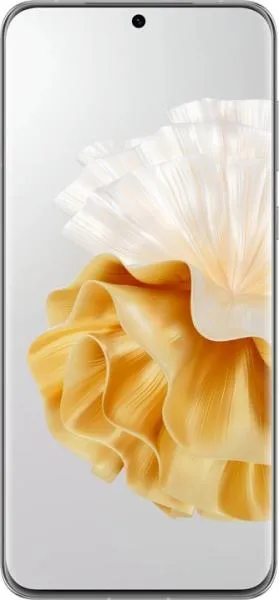
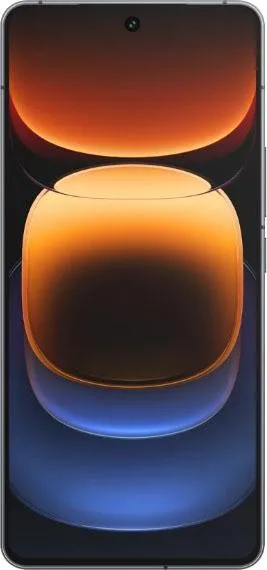
1. Specifications Comparison
| Feature | Huawei P60 Pro | vivo iQOO 12 | Practical Impact |
|---|---|---|---|
| Design | |||
| Dimensions (mm) | 161 x 74.5 x 8.3 | 163.2 x 75.9 x 8.1 | iQOO 12 slightly larger, negligible difference in daily use. |
| Weight (g) | 200 | 198.5 | Virtually identical weight. |
| Display | |||
| Size (inches) | 6.67 | 6.78 | iQOO 12 offers slightly larger screen real estate. |
| Resolution (px) | 1220 x 2700 | 1260 x 2800 | Both sharp, iQOO 12 marginally sharper due to higher resolution and larger size. |
| Type | LTPO OLED | LTPO AMOLED | Negligible practical difference in image quality for most users. |
| Refresh Rate (Hz) | 120 | 144 | iQOO 12's higher refresh rate results in smoother animations and scrolling, especially noticeable in gaming. |
| Peak Brightness (nits) | Not specified | 3000 | iQOO 12's significantly higher peak brightness ensures better visibility in direct sunlight. |
| Performance | |||
| Chipset | Snapdragon 8+ Gen 1 4G | Snapdragon 8 Gen 3 | Gen 3 significantly outperforms Gen 1 in speed and efficiency, leading to faster app loading, smoother multitasking, and better gaming performance on the iQOO 12. |
| CPU | Octa-core (up to 3.19 GHz) | Octa-core (up to 3.3 GHz) | iQOO 12 has a newer, faster CPU architecture. |
| GPU | Adreno 730 | Adreno 750 | iQOO 12's more powerful GPU provides a significant advantage in gaming and graphically demanding tasks. |
| RAM (GB) | 8/12 | 12/16 | iQOO 12 offers higher RAM configurations, benefiting heavy multitaskers. |
| Camera | |||
| Main Camera (MP) | 48 | 50 | Both high resolution; image quality depends more on sensor and processing. |
| Telephoto | 48MP, 3.5x optical zoom | 64MP, 3x optical zoom | iQOO 12 offers higher telephoto resolution. Practical zoom capabilities need real-world testing to compare. |
| Ultrawide | 13MP | 50MP | iQOO 12 boasts a significantly higher resolution ultrawide, capturing more detail. |
| Video | Up to 4K@60fps | Up to 8K@30fps | iQOO 12 capable of higher resolution video recording, though 4K is sufficient for most users. |
| Battery | |||
| Capacity (mAh) | 4815 | 5000 | iQOO 12 has a slightly larger battery. Real-world battery life depends on usage and optimization. |
| Fast Charging (W) | 88 | 120 | iQOO 12 charges significantly faster. |
2. Key Differences Analysis
Huawei P60 Pro Advantages:
- Potentially better camera image quality: While specifications suggest the iQOO 12 has advantages in resolution and zoom, Huawei's renowned camera processing could result in superior overall image quality. Real-world comparisons are needed.
- More compact design: Slightly smaller dimensions might be preferable for some users.
vivo iQOO 12 Advantages:
- Significantly more powerful: The newer Snapdragon 8 Gen 3 chip provides a substantial performance advantage.
- Higher refresh rate display: Smoother and more responsive user experience.
- Faster charging: Significantly reduces downtime.
- Larger battery: Potentially longer battery life.
- Brighter Display: Much better outdoor visibility.
- 5G Connectivity: Future-proofed for faster mobile data speeds. Note that the Huawei P60 Pro lacks 5G capability.
3. User Profiles & Recommendations
Huawei P60 Pro: Users prioritizing camera quality, a more compact design, and willing to compromise on performance and future-proof features like 5G.
vivo iQOO 12: Users who value performance, a smooth display, fast charging, the latest technology, and 5G connectivity. Excellent for gamers, power users, and those who want a future-proof device.
4. Decision Framework
Key Questions for Buyers:
- Is 5G connectivity essential? The iQOO 12 offers 5G, while the P60 Pro does not.
- What is your budget? The P60 Pro falls in a higher price range. The iQOO 12 offers significantly better value for its price, considering the superior chipset, display, and charging capabilities.
- What are your primary use cases? Gamers and power users will greatly benefit from the iQOO 12's performance. Photography enthusiasts might prefer to wait for real-world camera comparisons before deciding.
My Choice: vivo iQOO 12
The vivo iQOO 12 is the clear winner for me. The significantly more powerful Snapdragon 8 Gen 3, higher refresh rate display, faster charging, larger battery, and 5G connectivity offer substantial practical advantages. While the Huawei P60 Pro might have an edge in camera quality, the lack of real-world comparisons and the absence of 5G are significant drawbacks. The iQOO 12 offers significantly better value for its price. The performance difference alone would heavily influence my decision, as it impacts the overall responsiveness and longevity of the device. The inclusion of 5G ensures the phone remains relevant for years to come.
