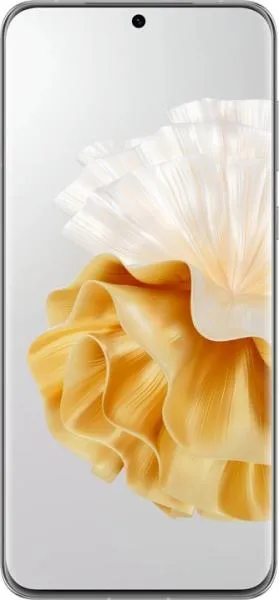
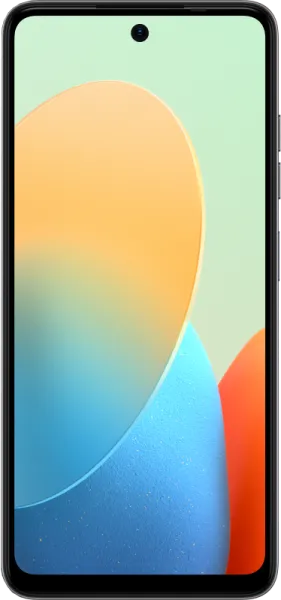
1. Specifications Comparison
| Feature | Huawei P60 Pro | Tecno Spark Go 2024 | Practical Impact |
|---|---|---|---|
| Design | |||
| Dimensions (mm) | 161 x 74.5 x 8.3 | 163.7 x 75.6 x 8.6 | P60 Pro is slightly smaller and thinner. |
| Weight (g) | 200 | 0 (Missing data) | Cannot compare weight without Spark Go's weight. |
| Build | Not specified | Not specified | Build quality and materials cannot be compared. |
| Display | |||
| Display Type | LTPO OLED | IPS LCD | P60 Pro offers superior contrast, deeper blacks, and potentially better power efficiency due to LTPO. |
| Size (inches) | 6.67 | 6.6 | Negligible size difference. |
| Resolution | 1220 x 2700 | 720 x 1612 | P60 Pro has a significantly sharper and more detailed display. |
| Refresh Rate (Hz) | 120 | 90 | P60 Pro will provide smoother animations and scrolling. |
| Performance | |||
| Chipset | Snapdragon 8+ Gen 1 4G | Unisoc T606 | P60 Pro offers vastly superior processing power for demanding tasks and gaming. |
| CPU | Octa-core (3.19 GHz Cortex-X2...) | Octa-core (2x1.6 GHz Cortex-A75...) | P60 Pro's CPU is significantly faster and more powerful. |
| GPU | Adreno 730 | Mali-G57 MP1 | P60 Pro offers much better graphics performance for gaming and visually intensive applications. |
| RAM | 8GB (specified version) | 3GB/4GB (specified version) | P60 Pro's larger RAM enables better multitasking and smoother performance. |
| Camera | |||
| Main Camera | 48MP Sony IMX888 | 13MP ISOCELL | P60 Pro's main camera likely offers significantly better image quality, especially in low light, due to larger sensor and higher resolution. |
| Other Cameras | Wide, Telephoto | 0.1MP (unclear purpose), Selfie | P60 Pro offers a more versatile camera system with wide-angle and telephoto capabilities. The purpose of the 0.1MP sensor on Spark Go is unknown. |
| Video | 4K@60fps with EIS | 1080p@30fps | P60 Pro offers higher resolution and frame rate video recording with electronic image stabilization. |
| Battery | |||
| Capacity (mAh) | 4815 | 5000 | Spark Go has slightly larger battery capacity. |
| Fast Charging | 88W | 10W | P60 Pro charges significantly faster. |
2. Key Differences Analysis
Huawei P60 Pro Advantages:
- Significantly more powerful: Superior chipset, CPU, GPU, and RAM provide a much smoother and faster user experience, especially for demanding tasks and gaming.
- Higher quality display: Sharper, brighter, and smoother display with better contrast and color accuracy.
- More versatile and capable camera system: Higher resolution sensors, telephoto lens, and superior video recording capabilities.
- Faster charging: Significantly reduces downtime.
Tecno Spark Go 2024 Advantages:
- Potentially longer battery life: Slightly larger battery capacity, though real-world usage will depend on various factors.
- Lower price: Significantly more affordable.
3. User Profiles & Recommendations
Huawei P60 Pro: Ideal for users who demand top-tier performance, a premium display, excellent camera capabilities, and fast charging. Suitable for power users, gamers, photographers, and videographers.
Tecno Spark Go 2024: Suitable for budget-conscious users who prioritize basic functionality, long battery life, and affordability over high performance and advanced features. Best for casual users who primarily use their phone for calling, texting, browsing, and light social media.
4. Decision Framework
Key Questions for Buyers:
- What is your budget? The P60 Pro is a high-end phone, while the Spark Go 2024 is a budget device.
- What are your primary phone usage patterns? Demanding tasks and gaming benefit from the P60 Pro's power, while basic usage will be sufficiently handled by the Spark Go 2024.
- Which features are most important to you? Prioritize camera quality, display, and performance if choosing the P60 Pro. Prioritize affordability and potentially longer battery life with the Spark Go 2024.
My Choice: Huawei P60 Pro
While the Tecno Spark Go 2024 offers an attractive price, the Huawei P60 Pro's significantly superior performance, display, and camera system make it the clear winner for me. I prioritize a smooth and responsive user experience, a high-quality display for media consumption, and a capable camera for capturing photos and videos. The faster charging is a significant bonus. The higher price of the P60 Pro is justified by the significant upgrade in overall user experience. I am willing to invest in a device that will provide a more enjoyable and productive user experience in the long run. The lack of specific details on the Spark Go 2024, particularly the weight and the secondary rear camera, further solidified my choice.
