1. Specifications Comparison
| Feature | Huawei P60 Pro | TCL 40 SE | Practical Impact |
|---|---|---|---|
| Design | |||
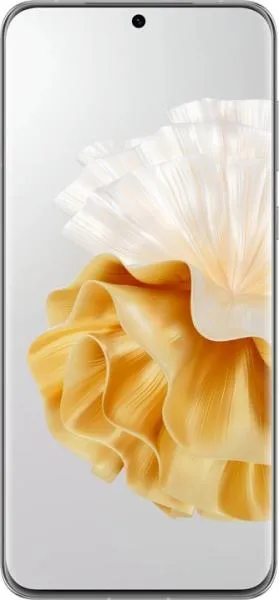
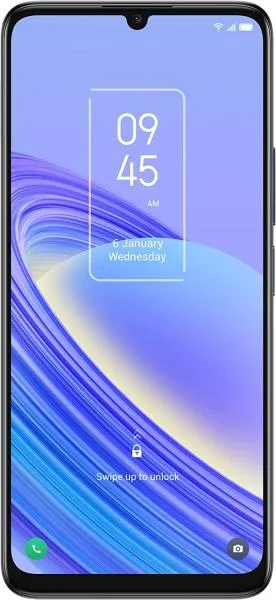
| Dimensions (mm) | 161 x 74.5 x 8.3 | 167.9 x 76.5 x 8.5 | P60 Pro is noticeably smaller and thinner, making it more pocketable and easier to handle. |
| Weight (g) | 200 | 190 | Negligible weight difference; both phones are relatively lightweight. |
| Build | Missing | Missing | Build quality and materials impact durability and premium feel; information is lacking for a meaningful comparison. |
| Display | |||
| Display Type | LTPO OLED | IPS LCD | P60 Pro's OLED offers superior contrast, deeper blacks, and potentially better power efficiency due to LTPO. TCL 40 SE's LCD may be brighter outdoors. |
| Size (inches) | 6.67 | 6.75 | TCL 40 SE offers a slightly larger screen for media consumption. |
| Resolution | 1220 x 2700 | 720 x 1600 | P60 Pro boasts significantly sharper visuals due to much higher resolution (444 ppi vs 260 ppi), resulting in crisper text and images. |
| Refresh Rate (Hz) | 120 | 90 | P60 Pro provides smoother animations and scrolling with its higher refresh rate. |
| Performance | |||
| Chipset | Snapdragon 8+ Gen 1 4G | MediaTek Helio G37 | P60 Pro's flagship Snapdragon chip delivers significantly faster performance for demanding tasks, gaming, and multitasking compared to the budget-oriented Helio G37. |
| CPU | Octa-core (1x3.19 GHz Cortex-X2 & 3x2.75 GHz Cortex-A710 & 4x2.0 GHz Cortex-A510) | Octa-core (4x2.3 GHz Cortex-A53 & 4x1.8 GHz Cortex-A53) | P60 Pro's CPU architecture is far more powerful and efficient. |
| RAM (GB) | 8/12 | 4/6 | More RAM in the P60 Pro enables smoother multitasking and better performance with demanding apps. |
| Storage (GB) | 256/512 | 128/256 | P60 Pro offers a higher maximum storage option. |
| Camera | |||
| Main Camera (MP) | 48 | 50 | Megapixel count doesn't tell the whole story; P60 Pro's larger sensor (1/1.4") and wider aperture (f/1.4) likely result in better low-light performance and depth of field. |
| Telephoto | Yes (48MP, 3.5x optical zoom) | No | P60 Pro offers optical zoom for capturing distant subjects without quality loss. |
| Video Recording | Up to 4K@60fps with EIS | 1080p@30fps | P60 Pro supports higher resolution and frame rate video recording with enhanced image stabilization. |
| Battery | |||
| Capacity (mAh) | 4815 | 5010 | TCL 40 SE has a slightly larger battery capacity, but real-world battery life depends on numerous factors including display type and processor efficiency. |
| Fast Charging | 88W wired, 50W wireless | 18W wired | P60 Pro offers significantly faster wired and wireless charging. |
2. Key Differences Analysis
Huawei P60 Pro Advantages:
- Significantly superior performance: Snapdragon 8+ Gen 1 provides a vastly better experience for demanding tasks and gaming.
- Higher quality display: Sharper resolution, smoother refresh rate, and OLED technology create a more immersive visual experience.
- Versatile camera system: Offers optical zoom, larger sensor size, and wider aperture for improved image quality.
- Faster charging: Significantly reduces downtime with 88W wired and 50W wireless charging.
TCL 40 SE Advantages:
- Larger battery capacity: Potentially longer battery life, although real-world usage may vary.
- Lower price: Significantly more affordable, catering to budget-conscious consumers.
- Slightly larger screen: Provides a bigger canvas for media consumption.
3. User Profiles & Recommendations
Huawei P60 Pro: Ideal for users who prioritize performance, a premium display, a versatile camera system, and fast charging. Suitable for demanding tasks like gaming, content creation, and multitasking.
TCL 40 SE: Best suited for budget-conscious users who primarily use their phones for basic tasks like calling, texting, browsing, and social media. Good for users who prioritize battery life and affordability over performance.
4. Decision Framework
Key Questions for Buyers:
- What is your budget? The P60 Pro is a high-end phone, while the TCL 40 SE is a budget option.
- What are your primary phone usage patterns? Demanding tasks require the P60 Pro's performance, while basic usage can be satisfied by the TCL 40 SE.
- Which features are most important to you? Prioritize features like camera quality, display, performance, or battery life based on individual needs.
My Choice: Huawei P60 Pro
While the TCL 40 SE offers excellent value for its price, the Huawei P60 Pro is the clear winner for me. Its superior performance, stunning display, versatile camera system, and fast charging capabilities far outweigh the price difference. I prioritize a smooth and responsive user experience, high-quality visuals, and the ability to capture great photos and videos. The P60 Pro excels in all these areas. While I acknowledge the TCL 40 SE's larger battery and affordability, the compromises in performance and features are too significant for my personal needs. The lack of a telephoto lens and the lower resolution display are major drawbacks for me. The P60 Pro's significantly faster processor, higher refresh rate display, and superior camera make it a much more compelling device overall.
