1. Specifications Comparison
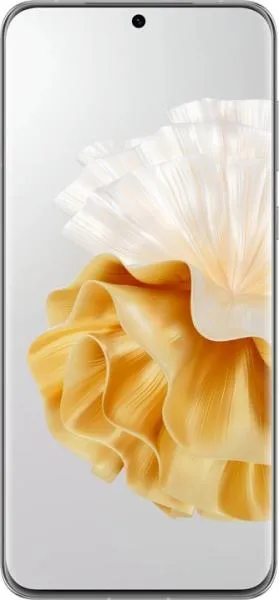
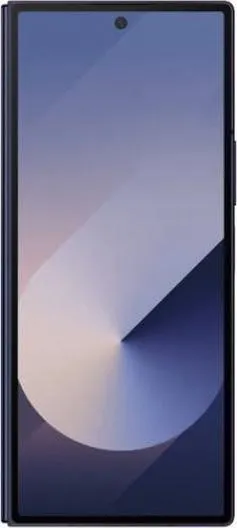
| Feature | Huawei P60 Pro | Samsung Galaxy Z Fold6 | Practical Impact |
|---|---|---|---|
| Design | |||
| Dimensions (mm) | 161 x 74.5 x 8.3 | 153.5 x 132.6 x 5.6 (Folded), 153.5 x 67.8 x 12.8 (Unfolded) | Fold6's unique foldable design offers a larger screen real estate in a pocketable size, but it's thicker and heavier. P60 Pro offers a more traditional, slimmer, and lighter form factor. |
| Weight (g) | 200 | 239 | Fold6 is noticeably heavier due to its folding mechanism and dual displays. P60 Pro is more comfortable for one-handed use. |
| Foldable | No | Yes | Fold6's foldable screen enables multitasking and unique use cases like Flex Mode. P60 Pro offers a traditional smartphone experience. |
| Display | |||
| Display Size (inches) | 6.67 | 7.6 (Main), 6.3 (Cover) | Fold6 provides a significantly larger main display for immersive content consumption and multitasking. P60 Pro's display is still large but conventional. |
| Display Type | LTPO OLED | Dynamic AMOLED 2X | Both offer high-quality displays with vibrant colors and deep blacks. LTPO allows for more granular refresh rate control, potentially saving battery on the P60 Pro. |
| Refresh Rate (Hz) | 120 | 120 | Both offer smooth scrolling and animations. |
| Resolution (px) | 1220 x 2700 | 2160 x 1856 (Main), 2376 x 968 (Cover) | Fold6's main display offers a higher resolution, resulting in sharper images and text. P60 Pro's resolution is still sharp but less so than the Fold6's main screen. |
| Performance | |||
| Chipset | Snapdragon 8+ Gen 1 4G | Snapdragon 8 Gen 3 | Fold6 features a newer, more powerful processor, leading to faster performance and improved efficiency. P60 Pro's processor is still powerful but a generation older. |
| RAM (GB) | 8/12 | 12 | Both offer ample RAM for multitasking, but the Fold6 having 12GB as standard provides more future-proofing and headroom for demanding applications. |
| Camera | |||
| Main Camera (MP) | 48 | 50 | Similar main camera resolution, though sensor quality and image processing can significantly impact real-world performance. Specific sensor details are lacking for both, limiting comparison. |
| Telephoto (MP) | 48 MP (Periscope) | 10 MP | P60 Pro boasts a higher resolution periscope telephoto lens enabling superior zoom capabilities. Fold6 has a lower resolution telephoto but still offers optical zoom. |
| DXOMARK Score | 156 | 133 | P60 Pro scores significantly higher in DXOMARK tests, suggesting superior overall camera performance. However, DXOMARK scores should be considered alongside real-world image comparisons. |
| Battery | |||
| Capacity (mAh) | 4815 | 4400 | P60 Pro has a larger battery capacity, potentially offering longer battery life. However, real-world usage will vary based on usage patterns and Fold6's larger display might consume more power. |
| Fast Charging (W) | 88 | 25 | P60 Pro offers significantly faster wired charging. Fold 6 is considerably slower, which is a major drawback for a premium device. |
2. Key Differences Analysis
Huawei P60 Pro Advantages:
- Superior Camera System (based on DXOMARK): Notably better telephoto capabilities and higher overall DXOMARK score.
- Longer Battery Life (potential): Larger battery capacity.
- Faster Charging: Significantly faster wired charging speeds.
- Lighter and More Compact: Easier for one-handed use.
Samsung Galaxy Z Fold6 Advantages:
- Foldable Design: Offers a larger screen for multitasking and unique use cases.
- More Powerful Processor: Snapdragon 8 Gen 3 provides better performance and efficiency.
- More RAM: 12GB as standard offers more headroom for demanding tasks and better future-proofing.
- 5G Connectivity: Offers faster mobile data speeds. P60 Pro's network specifications lack clarity on 5G support.
3. User Profiles & Recommendations
Huawei P60 Pro: Ideal for users who prioritize camera quality, battery life, and a traditional smartphone experience. Best for photography enthusiasts, travelers, and those who value a slim and lightweight device.
Samsung Galaxy Z Fold6: Best suited for power users, multitaskers, and those who value a large screen for productivity and entertainment. Ideal for content creators, business professionals, and tech enthusiasts who embrace cutting-edge technology.
4. Decision Framework
Key Questions for Buyers:
- Is a foldable design a priority? If yes, the Fold6 is the only option.
- How important is camera quality? If camera performance is paramount, the P60 Pro appears to be the better choice based on provided specifications.
- What is your budget and tolerance for compromises? Both are high-priced, but the Fold6 commands a higher premium for its foldable technology. The P60 Pro might offer better value if foldability isn't a need.
My Choice: Samsung Galaxy Z Fold6
While the Huawei P60 Pro excels in camera and battery, I would choose the Samsung Galaxy Z Fold6. The foldable form factor is a game-changer for productivity and content consumption. The significantly larger screen real estate and multitasking capabilities outweigh the drawbacks of increased weight and price. The newer, more powerful processor also ensures a smoother and faster user experience in the long run. While the P60 Pro's camera seems superior based on the provided data, the Fold6's camera system is still likely to be very capable for everyday use. Finally, access to 5G is crucial for future-proofing, and the lack of clear 5G specifications for the P60 Pro is a concern. While the slower charging speed of the Fold6 is a disappointment, the overall innovative package offered by the foldable design and powerful performance makes it the more compelling choice for me.
