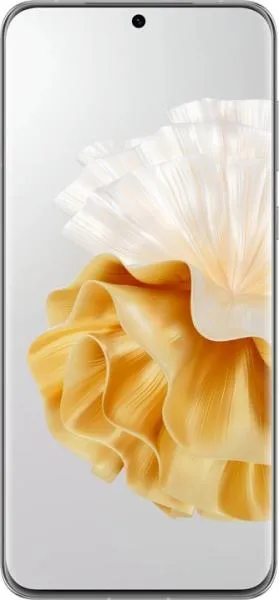
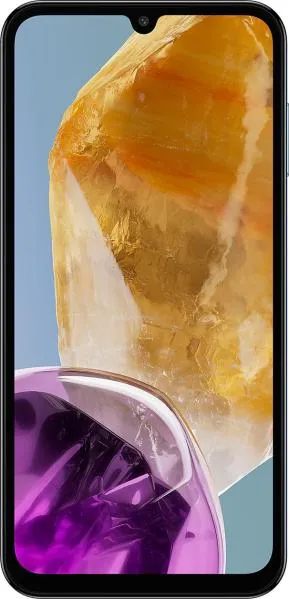
1. Specifications Comparison
| Feature | Huawei P60 Pro | Samsung Galaxy M15 | Practical Impact |
|---|---|---|---|
| Design | |||
| Dimensions (mm) | 161 x 74.5 x 8.3 | 160.1 x 76.8 x 9.3 | P60 Pro is slightly thinner and potentially more pocketable. |
| Weight (g) | 200 | 217 | P60 Pro is noticeably lighter, improving one-handed use. |
| Build Material | Missing | Missing | Unknown build quality and durability differences. |
| Display | |||
| Display Type | LTPO OLED | Super AMOLED | P60 Pro's LTPO OLED allows for dynamic refresh rate adjustment (1-120Hz), saving battery while providing smoother scrolling. |
| Display Size (inches) | 6.67 | 6.5 | Negligible size difference. |
| Resolution | 1220 x 2700 | 1080 x 2340 | P60 Pro has a sharper display with higher pixel density (444 ppi vs 396 ppi), resulting in clearer text and images. |
| Refresh Rate (Hz) | Up to 120 | 90 | P60 Pro offers a potentially smoother experience with a higher maximum refresh rate. |
| Peak Brightness (nits) | Missing | 800 | M15's known peak brightness ensures better outdoor visibility. P60 Pro's missing spec makes comparison impossible. |
| Performance | |||
| Chipset | Snapdragon 8+ Gen 1 4G (4 nm) | MediaTek Dimensity 6100+ (6 nm) | P60 Pro boasts a significantly more powerful processor, leading to much faster app loading, smoother multitasking, and better gaming performance. |
| CPU | Octa-core (1x3.19 GHz Cortex-X2 & 3x2.75 GHz Cortex-A710 & 4x2.0 GHz Cortex-A510) | Octa-core (2x2.2 GHz Cortex-A76 & 6x2.0 GHz Cortex-A55) | P60 Pro's CPU architecture is superior, offering higher clock speeds and performance cores. |
| GPU | Adreno 730 | Mali-G57 MC2 | P60 Pro's GPU is considerably more powerful, resulting in significantly better gaming and graphics performance. |
| RAM | 8GB/12GB | 4GB/6GB | P60 Pro offers more RAM, enabling smoother multitasking and better handling of demanding applications. |
| Camera | |||
| Main Camera | 48MP, f/1.4-4.0, OIS | 50MP, f/1.8 | While M15 has higher megapixels, P60 Pro's variable aperture and optical image stabilization (OIS) suggest superior low-light performance and sharper images overall. |
| Telephoto | 48MP, f/2.1, OIS | None | P60 Pro offers optical zoom capabilities, absent in the M15. |
| Ultrawide | 13MP, f/2.2 | 5MP, f/2.2 | P60 Pro's ultrawide likely captures more detail. |
| Video Recording | Up to 4K@60fps with EIS | 1080p@30fps with EIS | P60 Pro offers significantly higher resolution and frame rate video recording capabilities. |
| DxOMark Score | 156 | Missing | P60 Pro's high DxOMark score indicates excellent overall camera quality. M15 lacks a score for comparison. |
| Battery | |||
| Capacity | 4815 mAh | 6000 mAh | M15 has a larger battery capacity, potentially lasting longer on a single charge. |
| Fast Charging | 88W | 25W | P60 Pro charges significantly faster. |
| Wireless Charging | 50W | None | P60 Pro supports fast wireless charging, a feature absent in the M15. |
2. Key Differences Analysis
Huawei P60 Pro Advantages:
- Significantly higher performance: Smoother multitasking, faster app loading, better gaming.
- Superior display: Sharper, smoother, and more power-efficient due to LTPO technology.
- More versatile camera system: Optical zoom, variable aperture, and higher quality video recording.
- Faster charging: Both wired and wireless.
Samsung Galaxy M15 Advantages:
- Larger battery capacity: Potentially longer battery life.
- Lower price: Significantly more affordable.
- 5G Connectivity: Supports newer, faster network technology.
3. User Profiles & Recommendations
Huawei P60 Pro: Users who prioritize performance, display quality, camera versatility, and fast charging. Ideal for demanding tasks, mobile gaming, and photography enthusiasts. Price is a secondary concern.
Samsung Galaxy M15: Budget-conscious users who prioritize battery life and basic functionality. Suitable for everyday tasks like web browsing, social media, and casual photography. Performance and premium features are less important.
4. Decision Framework
Key Questions for Buyers:
- What is your budget? The P60 Pro is significantly more expensive.
- What are your primary smartphone usage patterns? Demanding tasks vs. basic functionality.
- Which features are most important to you? Performance, camera, battery life, display quality.
My Choice: Huawei P60 Pro
While the Samsung Galaxy M15 offers a larger battery and significantly lower price, the Huawei P60 Pro's superior performance, display, camera system, and faster charging make it the better overall device for my needs. I prioritize a smooth and responsive user experience, high-quality visuals, and the ability to capture great photos and videos. I am willing to pay a premium for these features and am less concerned about battery life as fast charging mitigates this to some extent. The lack of 5G in the P60 Pro is a drawback, but 4G speeds are still sufficient for my current needs. Ultimately, the P60 Pro offers a more compelling package for my usage patterns and preferences.
