1. Specifications Comparison
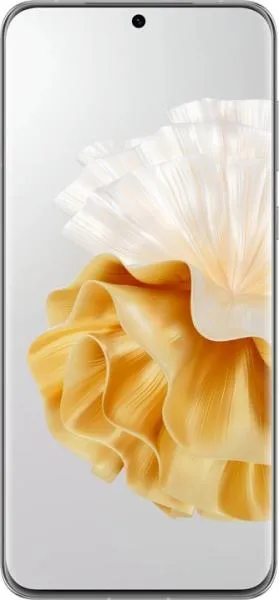
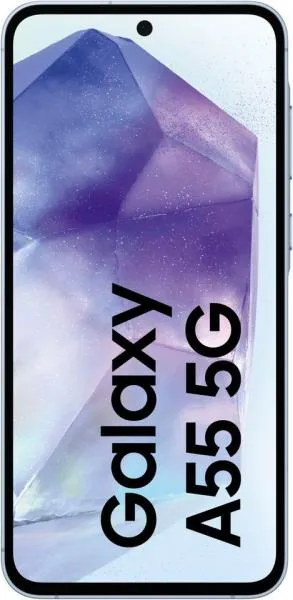
| Feature | Huawei P60 Pro | Samsung Galaxy A55 | Practical Impact |
|---|---|---|---|
| Design | |||
| Dimensions (mm) | 161 x 74.5 x 8.3 | 161.1 x 77.4 x 8.2 | A55 slightly wider and heavier. Negligible difference in daily use. |
| Weight (g) | 200 | 213 | P60 Pro slightly lighter, contributing to better one-handed use. |
| Build | Material information missing for both. Can't compare durability or premium feel. | ||
| Display | |||
| Display Type | LTPO OLED | Super AMOLED | Both offer vibrant colors and deep blacks. LTPO allows for dynamic refresh rate, potentially saving battery on P60 Pro. |
| Size (inches) | 6.67 | 6.6 | Negligible size difference. |
| Resolution | 1220 x 2700 | 1080 x 2340 | P60 Pro has a sharper display due to higher pixel density (444 ppi vs 403 ppi), resulting in crisper text and images. |
| Refresh Rate (Hz) | 120 | 120 | Both offer smooth scrolling and animations. |
| HDR | No HDR10/Dolby Vision | HDR10+ | A55 supports HDR10+, offering better dynamic range and brighter highlights in compatible content. |
| Performance | |||
| Chipset | Snapdragon 8+ Gen 1 4G (4nm) | Exynos 1480 (4nm) | P60 Pro likely has a performance advantage due to a more powerful CPU and GPU based on benchmarks of similar chipsets. |
| CPU | Octa-core (1x3.19 GHz X2 & 3x2.75 GHz A710 & 4x2.0 GHz A510) | Octa-core (4x2.75 GHz A78 & 4x2.0 GHz A55) | P60 Pro boasts a newer CPU architecture, translating to faster processing speeds, smoother multitasking, and better gaming performance. |
| GPU | Adreno 730 | Xclipse 530 | Adreno 730 generally performs better in graphics-intensive tasks like gaming. |
| RAM | 8GB | 8/12GB | Both offer sufficient RAM for smooth multitasking, although the 12GB option on the A55 provides additional headroom for demanding applications. |
| OS | Not specified | Android 14 | Missing OS details for P60 Pro limit comparison. A55 benefits from latest Android features and security updates. |
| Camera | |||
| Main Camera | 48MP, f/1.4 | 50MP, f/1.8 | Both have high-resolution sensors. P60 Pro's wider aperture (f/1.4) allows for better low-light performance and more pronounced background blur (bokeh). |
| Telephoto | 48MP, f/2.1, 3.5x Optical Zoom | No dedicated telephoto | P60 Pro offers optical zoom for clearer zoomed-in shots, a significant advantage. A55 likely relies on digital zoom, resulting in lower quality. |
| Ultrawide | 13MP, f/2.2 | 13MP, f/2.2 | Similar ultrawide capabilities on paper. Real-world performance depends on image processing. |
| Video | 4K@60fps with EIS | 4K@30fps with EIS | P60 Pro capable of higher resolution video recording at 60fps, resulting in smoother footage. |
| Battery | |||
| Capacity (mAh) | 4815 | 5000 | A55 has a slightly larger battery, potentially offering longer battery life. |
| Charging | 88W Wired, 50W Wireless | 25W Wired | P60 Pro significantly faster wired and wireless charging. This translates to significantly less downtime. |
2. Key Differences Analysis
Huawei P60 Pro Advantages:
- Superior Display: Sharper, with dynamic refresh rate for potential power savings.
- Higher Performance: More powerful chipset for smoother multitasking and gaming.
- Advanced Camera System: Wider aperture for better low-light photography, dedicated telephoto lens with optical zoom, and higher resolution video recording.
- Faster Charging: Significantly faster wired and wireless charging.
Samsung Galaxy A55 Advantages:
- Lower Price: Positioned in the mid-range market, offering better affordability.
- Larger Battery: Slightly larger battery capacity for potentially longer usage.
- HDR10+ Support: Enhanced dynamic range for compatible video content.
- Confirmed OS and Updates: Ships with the latest Android version and likely longer software support. 5G connectivity.
3. User Profiles & Recommendations
Huawei P60 Pro: Ideal for users who prioritize performance, camera quality, a premium display, and fast charging. Suitable for demanding tasks like gaming, content creation, and photography enthusiasts.
Samsung Galaxy A55: Best suited for budget-conscious users who need a reliable phone with a good display, long battery life, and 5G connectivity. Suitable for everyday tasks like web browsing, social media, and casual photography.
4. Decision Framework
Key Questions for Buyers:
- What is your budget? The P60 Pro is significantly more expensive.
- What are your primary use cases? Gaming, photography, and demanding tasks benefit from the P60 Pro's power. Everyday use can be satisfied by the A55.
- How important is camera quality and zoom capability? The P60 Pro has a clear advantage in this area.
Scenario-Based Recommendations:
- Heavy User/Gamer/Photographer: P60 Pro
- Budget-Conscious/Casual User: A55
My Choice: Huawei P60 Pro
While the Samsung Galaxy A55 offers good value, the Huawei P60 Pro's superior performance, camera system (especially the telephoto lens), and incredibly fast charging are decisive factors for me. I prioritize a smooth user experience, high-quality photos, and minimal downtime for charging. The sharper display and LTPO technology are also attractive features. I am willing to pay the premium for these advantages, even acknowledging the lack of specific OS information and potential limitations due to the absence of 5G. The A55 is a compelling option for budget-conscious buyers, but the P60 Pro better suits my needs and priorities.
