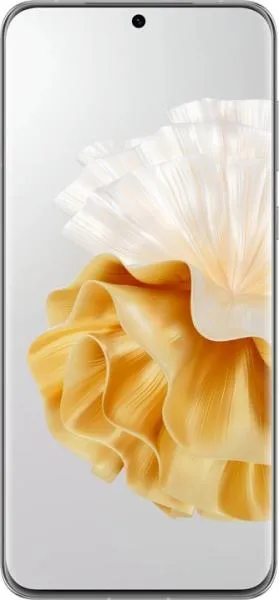
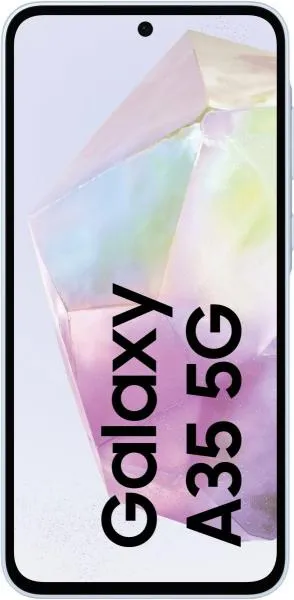
1. Specifications Comparison
| Feature | Huawei P60 Pro | Samsung Galaxy A35 | Practical Impact |
|---|---|---|---|
| Design | |||
| Dimensions (mm) | 161 x 74.5 x 8.3 | 161.7 x 78 x 8.2 | A35 slightly larger, negligible difference in daily use. |
| Weight (g) | 200 | 209 | Negligible weight difference. |
| Build | Material information missing for both, impacting durability and premium feel perception. | ||
| Display | |||
| Display Type | LTPO OLED | Super AMOLED | P60 Pro's LTPO panel allows for dynamic refresh rate adjustment (1-120Hz), leading to better battery life while maintaining smoothness. A35 has a fixed 120Hz refresh rate. |
| Display Size (inches) | 6.67 | 6.6 | Negligible size difference. |
| Resolution | 1220 x 2700 | 1080 x 2340 | P60 Pro has a sharper display (444 ppi vs 390 ppi), resulting in crisper text and images. |
| Performance | |||
| Chipset | Snapdragon 8+ Gen 1 4G (4nm) | Exynos 1380 (5nm) | P60 Pro boasts a significantly more powerful processor, translating to smoother multitasking, faster app loading, and better gaming performance. |
| CPU | Octa-core (1x3.19 GHz Cortex-X2 & 3x2.75 GHz Cortex-A710 & 4x2.0 GHz Cortex-A510) | Octa-core (4x2.4 GHz Cortex-A78 & 4x2.0 GHz Cortex-A55) | P60 Pro's CPU architecture provides a substantial performance advantage. |
| GPU | Adreno 730 | Mali-G68 MP5 | P60 Pro's GPU is more powerful, beneficial for demanding games and graphics-intensive tasks. |
| RAM | 8GB/12GB | 6GB/8GB | More RAM in higher-end P60 Pro configurations enables better multitasking and smoother performance with demanding applications. |
| Camera | |||
| Main Camera | 48MP, f/1.4-4.0, OIS | 50MP, f/1.8, OIS | P60 Pro's variable aperture offers greater control over depth of field and low-light performance. Specific sensor performance comparison requires further analysis beyond megapixels. |
| Telephoto | 48MP, f/2.1, OIS | None | P60 Pro offers optical zoom capabilities, absent in the A35. |
| Ultrawide | 13MP, f/2.2 | 8MP, f/2.2 | P60 Pro likely has a higher resolution ultrawide, potentially capturing more detail. |
| Battery | |||
| Capacity | 4815 mAh | 5000 mAh | A35 has slightly larger battery capacity. |
| Charging | 88W Wired, 50W Wireless | 25W Wired | P60 Pro offers significantly faster wired and wireless charging. |
2. Key Differences Analysis
Huawei P60 Pro Advantages:
- Superior Performance: Significantly faster processor and GPU.
- Better Display: Sharper, with dynamic refresh rate for improved battery life.
- Faster Charging: Substantially quicker wired and wireless charging.
- Versatile Camera System: Variable aperture, optical zoom capabilities.
Samsung Galaxy A35 Advantages:
- Lower Price: Significantly more affordable.
- Slightly Larger Battery: Potentially longer battery life, but impacted by display and processor differences.
- 5G Connectivity: Offers faster mobile data speeds in areas with 5G coverage. P60 Pro is limited to 4G.
Trade-offs:
- P60 Pro's higher performance and features come at a significantly higher price.
- A35 compromises on performance and camera capabilities for affordability.
3. User Profiles & Recommendations
Huawei P60 Pro: Users who prioritize performance, a high-quality display, fast charging, and a versatile camera, and are willing to pay a premium. Ideal for demanding tasks, gaming, and mobile photography enthusiasts.
Samsung Galaxy A35: Budget-conscious users who prioritize affordability and basic functionality. Suitable for everyday tasks, social media, web browsing, and casual photography.
4. Decision Framework
Key Questions:
- What is your budget? The P60 Pro is significantly more expensive.
- What are your performance requirements? For demanding tasks and gaming, the P60 Pro is far superior.
- What are your photography needs? The P60 Pro offers a more versatile camera system.
My Choice:
I would choose the Huawei P60 Pro. While significantly more expensive, the superior performance, display, camera system, and charging capabilities are compelling. The Snapdragon 8+ Gen 1 provides a substantial real-world difference in speed and responsiveness compared to the Exynos 1380. The LTPO OLED display offers a better balance of visual quality and battery life. The variable aperture and optical zoom on the P60 Pro's camera system provide greater creative control and flexibility. As someone who values a smooth and responsive user experience, along with high-quality visuals and camera capabilities, the P60 Pro aligns better with my needs. The lack of 5G is a drawback, but 4G speeds are sufficient for most tasks in my area. The price premium is justified by the significant performance and feature advantages.
