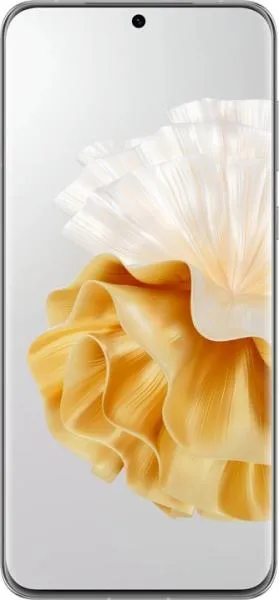
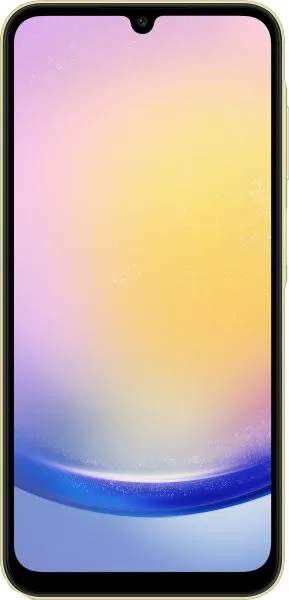
1. Specifications Comparison
| Feature | Huawei P60 Pro | Samsung Galaxy A15 5G | Practical Impact |
|---|---|---|---|
| Design | |||
| Dimensions (mm) | 161 x 74.5 x 8.3 | 160.1 x 76.8 x 8.4 | Negligible size difference in practical use. |
| Weight (g) | 200 | 200 | Identical weight; no discernible difference in hand. |
| Build | Unspecified | Unspecified | Build quality and materials unknown, limiting comparison. |
| Display | |||
| Display Type | LTPO OLED | Super AMOLED | P60 Pro's LTPO OLED allows for dynamic refresh rate adjustment (1-120Hz), potentially saving battery while providing smoother scrolling. A15 has a fixed 90Hz refresh rate. |
| Size (inches) | 6.67 | 6.5 | P60 Pro offers slightly larger screen real estate. |
| Resolution | 1220 x 2700 | 1080 x 2340 | P60 Pro has a sharper display with higher pixel density (444 ppi vs 396 ppi), resulting in crisper text and images. |
| Refresh Rate | 120Hz (variable) | 90Hz | See "Display Type" |
| Peak Brightness | Unspecified | 800 nits | A15's specified peak brightness suggests better outdoor visibility. P60 Pro's unknown value prevents definitive comparison. |
| Performance | |||
| Chipset | Snapdragon 8+ Gen 1 4G (4nm) | Dimensity 6100+ (6nm) | P60 Pro boasts a significantly more powerful processor, enabling smoother multitasking, faster app loading, and better gaming performance. |
| CPU | Octa-core (1x3.19 GHz X2 & 3x2.75 GHz A710 & 4x2.0 GHz A510) | Octa-core (2x2.2 GHz A76 & 6x2.0 GHz A55) | P60 Pro's CPU architecture and higher clock speeds translate to a substantial performance advantage. |
| GPU | Adreno 730 | Mali-G57 MC2 | P60 Pro's Adreno 730 GPU provides superior graphics rendering capabilities, crucial for demanding games and visual applications. |
| RAM | 8GB (listed example) - other versions exist | 4/6/8GB (multiple versions) | RAM comparison depends on specific model. Higher RAM generally benefits multitasking. |
| OS | Unspecified | Android 14 | Missing OS details for P60 Pro hinder comparison. We cannot analyze potential feature differences or long-term update support. |
| Camera | |||
| Main Camera | 48MP, f/1.4, Sony IMX888 | 50MP, f/1.8, ISOCELL | P60 Pro utilizes a larger sensor (1/1.4") and wider aperture (f/1.4), potentially capturing more light and detail, especially in low-light conditions. DXOMark score of 156 suggests superior overall camera quality compared to A15 (no score available). |
| Telephoto | 48MP, f/2.1, 3.5x Optical Zoom | Not specified | P60 Pro offers superior zoom capabilities with a dedicated telephoto lens. |
| Video | Up to 4K@60fps with EIS | 1080p@30fps with EIS | P60 Pro supports higher resolution and frame rate video recording, offering more detailed and smoother footage. |
| Battery | |||
| Capacity | 4815 mAh | 5000 mAh | A15 has a slightly larger battery capacity, but real-world battery life depends on numerous factors including display, processor efficiency, and software optimization. |
| Charging | 88W wired, 50W wireless | 25W wired | P60 Pro offers significantly faster wired and wireless charging. |
2. Key Differences Analysis
Huawei P60 Pro Advantages:
- Significantly higher performance: The Snapdragon 8+ Gen 1 provides a substantial performance advantage for demanding tasks and gaming.
- Superior display: Sharper resolution, LTPO technology for dynamic refresh rate.
- Advanced camera system: Higher quality main sensor, dedicated telephoto lens, superior low-light performance indicated by DXOMark score.
- Faster charging: Significantly faster wired and wireless charging capabilities.
Samsung Galaxy A15 5G Advantages:
- Lower price: Positioned in the mid-range segment, offering greater affordability.
- Slightly larger battery: Potentially longer battery life, although real-world usage will vary.
- 5G Connectivity: Supports 5G networks for faster data speeds in areas with coverage. P60 Pro is limited to 4G.
- Confirmed OS and updates: Ships with Android 14 and has a guaranteed upgrade path, providing software stability and security.
3. User Profiles & Recommendations
Huawei P60 Pro: Ideal for users who prioritize performance, a high-quality display, and advanced camera capabilities. Suitable for demanding tasks, mobile gaming, and photography enthusiasts. Price is a premium. Lack of clear information on OS updates is a concern.
Samsung Galaxy A15 5G: Best suited for budget-conscious users who need a reliable phone with 5G connectivity for everyday tasks. A good option for those who prioritize affordability over top-tier performance or camera features.
4. Decision Framework
Key Questions:
- What is your budget? The P60 Pro is significantly more expensive.
- What are your primary use cases? (e.g., gaming, photography, general use)
- How important are performance and camera quality?
My Choice:
I would choose the Huawei P60 Pro, despite the lack of OS information and the higher price. The significant performance advantage, superior display, and advanced camera system are compelling. I prioritize a smooth user experience and high-quality photos, and the P60 Pro clearly excels in these areas. However, the lack of 5G and uncertainty surrounding OS updates are definite drawbacks. If budget is a primary concern or 5G connectivity is essential, the Samsung Galaxy A15 5G offers decent value for its price. It's crucial to factor in the potential limitations imposed by Huawei's current situation regarding Google Mobile Services. This could significantly impact app availability and overall usability for some users.
