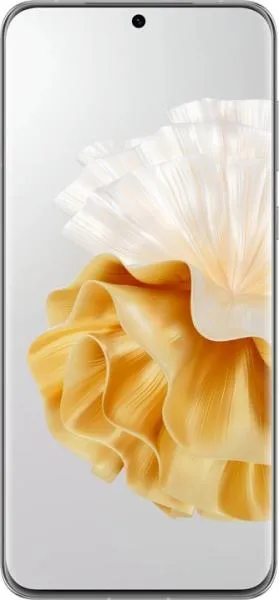
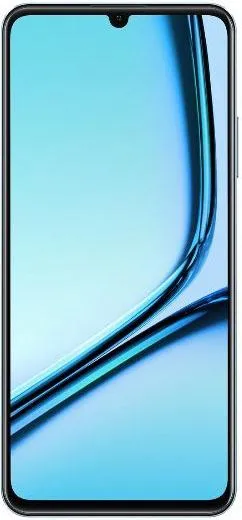
1. Specifications Comparison
| Feature | Huawei P60 Pro | Realme Note 50 | Practical Impact |
|---|---|---|---|
| Design | |||
| Dimensions (mm) | 161 x 74.5 x 8.3 | 167.2 x 76.7 x 8 | P60 Pro is slightly smaller and thinner. |
| Weight (g) | 200 | 186 | Realme Note 50 is noticeably lighter. |
| Build | Build materials not specified for either phone, limiting comparison. | ||
| Display | |||
| Display Type | LTPO OLED | IPS LCD | P60 Pro offers superior contrast, deeper blacks, and potentially better power efficiency due to LTPO. |
| Size (inches) | 6.67 | 6.74 | Negligible size difference. |
| Resolution | 1220 x 2700 | 720 x 1600 | P60 Pro has a significantly sharper display (444 ppi vs 260 ppi), resulting in crisper text and images. |
| Refresh Rate | 120Hz | 90Hz | P60 Pro offers smoother scrolling and animations. |
| Performance | |||
| Chipset | Snapdragon 8+ Gen 1 4G (4nm) | Unisoc Tiger T612 (12nm) | P60 Pro boasts a vastly more powerful processor, enabling significantly faster performance and smoother multitasking. |
| CPU | Octa-core (1x3.19 GHz Cortex-X2 & 3x2.75 GHz Cortex-A710 & 4x2.0 GHz Cortex-A510) | Octa-core (2x1.8 GHz Cortex-A75 & 6x1.8 GHz Cortex-A55) | P60 Pro's CPU architecture is much more modern and powerful. |
| GPU | Adreno 730 | Mali-G57 | P60 Pro provides significantly better graphics performance for demanding games and applications. |
| RAM | 8GB/12GB | 3GB/4GB | P60 Pro offers more RAM, enabling better multitasking and smoother performance with memory-intensive apps. |
| Camera | |||
| Main Camera | 48MP, f/1.4, Sony IMX888 | 13MP, f/2.2 | P60 Pro uses a larger, higher-resolution sensor with a wider aperture, promising superior image quality, especially in low light. Information about the Realme Note 50's sensor is lacking. |
| Telephoto | 48MP, f/2.1, 3.5x Optical Zoom | Not specified | P60 Pro offers optical zoom for clearer zoomed-in shots. No telephoto capability is listed for the Realme Note 50. |
| Video | Up to 4K@60fps with EIS | 1080p@30fps | P60 Pro allows for higher resolution and frame rate video recording with electronic image stabilization. |
| Battery | |||
| Capacity | 4815 mAh | 5000 mAh | Realme Note 50 has a slightly larger battery capacity. |
| Fast Charging | 88W Wired, 50W Wireless | 10W Wired | P60 Pro offers drastically faster wired and wireless charging. |
2. Key Differences Analysis
Huawei P60 Pro Advantages:
- Significantly superior performance: The Snapdragon 8+ Gen 1 chipset and ample RAM ensure a smooth and responsive user experience, even with demanding tasks.
- High-quality display: The LTPO OLED display offers vibrant colors, deep blacks, and a high refresh rate for a premium visual experience.
- Advanced camera system: The 48MP main camera with a large sensor and variable aperture, combined with a dedicated telephoto lens, promises excellent image quality and versatility.
- Fast charging: 88W wired and 50W wireless charging minimize downtime.
Realme Note 50 Advantages:
- Lower price: Significantly more affordable.
- Slightly larger battery: Potentially longer battery life for basic usage, although this could be offset by the less efficient display.
Trade-offs:
- P60 Pro: Higher price, lack of 5G connectivity (using a 4G variant of the Snapdragon 8+ Gen 1).
- Realme Note 50: Significantly lower performance, lower resolution display, basic camera system, slow charging.
3. User Profiles & Recommendations
Huawei P60 Pro: Users who prioritize performance, a premium display, a top-tier camera, and fast charging. Ideal for mobile gaming, photography enthusiasts, and power users.
Realme Note 50: Budget-conscious users who primarily use their phone for basic tasks like calling, texting, browsing, and social media. Suitable for users who prioritize affordability over high-end features.
4. Decision Framework
Key Questions for Buyers:
- What is your budget? The P60 Pro is a high-end phone, while the Realme Note 50 is a budget device.
- What are your primary phone usage patterns? If you need high performance for gaming or demanding apps, the P60 Pro is essential. If you mainly use your phone for basic tasks, the Realme Note 50 might suffice.
- How important are camera quality and display quality to you? The P60 Pro offers a substantial upgrade in both areas.
My Choice: Huawei P60 Pro
While significantly more expensive, the Huawei P60 Pro offers a vastly superior user experience in almost every aspect. The performance difference alone is substantial, making the P60 Pro a much more future-proof device. The superior display, camera system, and fast charging further solidify its position as the better choice for my needs. While the lack of 5G might be a concern for some, the overall package offered by the P60 Pro outweighs this drawback for me, especially considering the superior 4G performance offered by the Snapdragon 8+ Gen 1. I prioritize a smooth, responsive experience, high-quality visuals, and a capable camera, making the P60 Pro the clear winner despite the price premium. The Realme Note 50 is a decent budget option but compromises too much on performance and key features for my personal preference.
