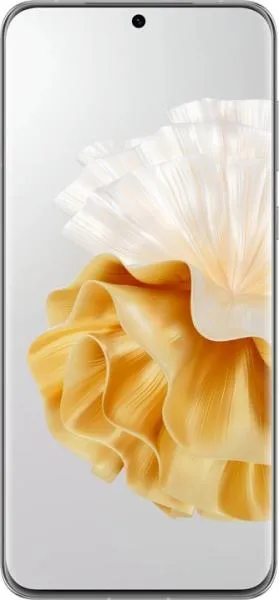

1. Specifications Comparison
| Feature | Huawei P60 Pro | Realme 12+ | Practical Impact |
|---|---|---|---|
| Design | |||
| Dimensions (mm) | 161 x 74.5 x 8.3 | 163 x 75.5 x 7.9 | Realme 12+ is slightly taller and wider, but marginally thinner. Negligible difference in hand feel. |
| Weight (g) | 200 | 190 | Realme 12+ is slightly lighter, but the difference is minimal. |
| Build | Material information missing for both. Can't compare durability or premium feel. | ||
| Display | |||
| Display Type | LTPO OLED | AMOLED | P60 Pro's LTPO OLED allows for dynamic refresh rate adjustment (1-120Hz), saving battery. Both offer vibrant colors and deep blacks. |
| Display Size (inches) | 6.67 | 6.67 | Same screen size. |
| Resolution | 1220 x 2700 | 1080 x 2400 | P60 Pro has a sharper display with higher pixel density (444 ppi vs 395 ppi), resulting in clearer text and images. |
| Refresh Rate (Hz) | 120 | 120 | Both offer smooth scrolling and animations. |
| Peak Brightness (nits) | Missing | 2000 | Realme advertises a significantly higher peak brightness, potentially improving outdoor visibility. |
| Performance | |||
| Chipset | Snapdragon 8+ Gen 1 4G (4nm) | Dimensity 7050 (6nm) | P60 Pro boasts a significantly more powerful processor, leading to faster app loading, smoother multitasking, and better gaming performance. |
| CPU | Octa-core (1x3.19 GHz Cortex-X2 & 3x2.75 GHz Cortex-A710 & 4x2.0 GHz Cortex-A510) | Octa-core (2x2.6 GHz Cortex-A78 & 6x2.0 GHz Cortex-A55) | P60 Pro's CPU architecture is superior, providing a significant performance advantage. |
| GPU | Adreno 730 | Mali-G68 MC4 | P60 Pro's GPU is more powerful, delivering a better gaming and graphics-intensive task experience. |
| RAM | 8GB | 8GB | Same RAM capacity in the compared variants. |
| Camera | |||
| Main Camera | 48MP, f/1.4, Sony IMX888 | 50MP, f/1.88, Sony LYT-600 | P60 Pro utilizes a larger sensor (1/1.4") and wider aperture, potentially capturing more light and detail, especially in low light. DxOMark score of 156 for the P60 Pro suggests superior overall camera performance. |
| Telephoto | 48MP, f/2.1, 3.5x Optical Zoom | Missing | P60 Pro offers superior zoom capabilities. |
| Ultrawide | 13MP, f/2.2 | 8MP, f/2.2 | P60 Pro has a higher resolution ultrawide. |
| Video | Up to 4K@60fps with EIS | Up to 4K@30fps with EIS | P60 Pro can record higher resolution and frame rate video. |
| Battery | |||
| Capacity (mAh) | 4815 | 5000 | Realme 12+ has a slightly larger battery capacity. |
| Charging | 88W Wired, 50W Wireless | 67W Wired | P60 Pro offers significantly faster wired and wireless charging. |
2. Key Differences Analysis
Huawei P60 Pro Advantages:
- Significantly better performance: The Snapdragon 8+ Gen 1 outperforms the Dimensity 7050 in all aspects.
- Superior camera system: Higher resolution sensors, wider apertures, dedicated telephoto lens, and higher DxOMark score suggest noticeably better image quality.
- Faster charging: Both wired and wireless charging are significantly faster.
- Sharper Display: Higher resolution and pixel density provide a more detailed viewing experience.
- LTPO Display: Dynamic refresh rate optimizes battery life.
Realme 12+ Advantages:
- Lower price: Significantly more affordable.
- Slightly larger battery: Potentially longer battery life, although the P60 Pro's LTPO display could offset this.
- Higher peak brightness: Potentially better outdoor visibility.
- 5G Connectivity: Offers 5G connectivity, while the P60 Pro is limited to 4G.
3. User Profiles & Recommendations
Huawei P60 Pro: Users who prioritize performance, camera quality, a premium display, and fast charging. Ideal for demanding tasks, mobile gaming, photography enthusiasts, and those who value a premium experience.
Realme 12+: Budget-conscious users who need a capable smartphone with a good display and long battery life. Suitable for everyday tasks, social media, casual gaming, and users who prioritize affordability.
4. Decision Framework
Key Questions:
- What is your budget? The P60 Pro is significantly more expensive.
- What are your performance needs? For demanding tasks and gaming, the P60 Pro is a clear winner.
- How important is camera quality? The P60 Pro has a superior camera system.
Scenario-Based Recommendations:
- Heavy user, gamer, photographer: Huawei P60 Pro
- Budget-conscious, moderate user: Realme 12+
- Prioritizes future-proofing with 5G: Realme 12+
My Choice: Huawei P60 Pro
While the Realme 12+ offers excellent value for its price, the Huawei P60 Pro's superior performance, camera system, and overall premium experience are decisive factors for me. The Snapdragon 8+ Gen 1 provides a significant performance advantage that will be noticeable in daily use and future-proofs the device better. The camera system's larger sensor, wider aperture, and dedicated telephoto lens are crucial for capturing high-quality photos and videos. The lack of 5G in the P60 Pro is a drawback, but 4G speeds are still sufficient for most tasks, and the other advantages outweigh this limitation for my personal needs. I am willing to pay the premium for a device that delivers a noticeably better user experience in key areas.
