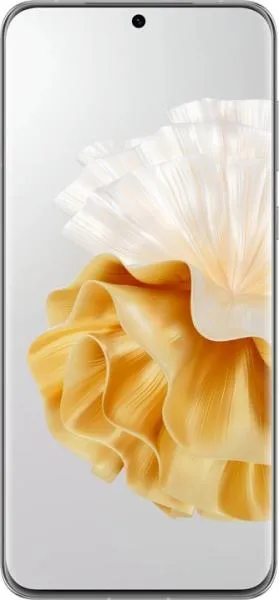
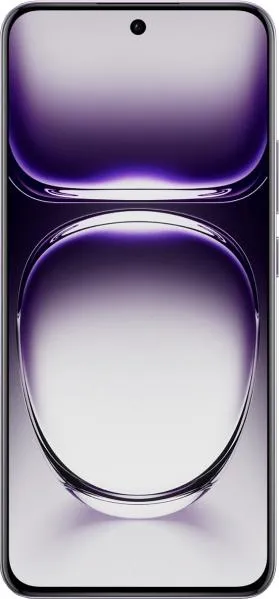
1. Specifications Comparison
| Feature | Huawei P60 Pro | Oppo Reno12 Pro | Practical Impact |
|---|---|---|---|
| Design | |||
| Dimensions (mm) | 161 x 74.5 x 8.3 | 161.5 x 74.8 x 7.4 | Virtually identical in hand feel. |
| Weight (g) | 200 | 180 | Reno12 Pro is noticeably lighter, reducing hand fatigue during extended use. |
| Display | |||
| Display Type | LTPO OLED | AMOLED | P60 Pro's LTPO panel allows for dynamic refresh rate adjustment (1-120Hz), saving battery while maintaining smooth scrolling. Reno12 Pro has a fixed 120Hz refresh rate. |
| Resolution | 1220 x 2700 | 1080 x 2412 | P60 Pro offers sharper visuals due to higher pixel density (444 ppi vs 394 ppi). Noticeable in detailed images and text. |
| Peak Brightness (nits) | Missing | 1400 | Reno12 Pro likely offers better outdoor visibility with higher peak brightness. Cannot confirm without P60 Pro's peak brightness. |
| HDR | No HDR10/10+ | HDR10+ | Reno12 Pro supports HDR10+ for enhanced dynamic range and more vibrant colors in compatible content. |
| Performance | |||
| Chipset | Snapdragon 8+ Gen 1 4G | Dimensity 7300 | Snapdragon 8+ Gen 1 offers significantly higher CPU and GPU performance, resulting in smoother multitasking, faster app loading, and better gaming capabilities. However, it lacks 5G connectivity. |
| RAM | 8GB/12GB | 12GB/16GB | Reno12 Pro offers more RAM in some configurations, improving multitasking and preventing app closures in the background. |
| Storage | 256GB/512GB | 256GB/512GB | Comparable storage options. |
| Camera | |||
| Main Camera | 48MP, f/1.4, Sony IMX888 | 50MP, f/1.8, Sony LYT-600 | P60 Pro uses a larger sensor (1/1.4") and wider aperture, potentially capturing more light and detail, especially in low-light conditions. |
| Telephoto | 48MP, f/2.1, 3.5x Optical Zoom | 50MP, f/2.0, 2x Optical Zoom | P60 Pro offers a longer optical zoom range. |
| Video | Up to 4K@60fps with EIS | Up to 4K@30fps with OIS & EIS | Both offer good video stabilization, but Reno12 Pro lacks 4K@60fps recording. |
| Battery | |||
| Capacity | 4815 mAh | 5000 mAh | Reno12 Pro has a slightly larger battery capacity, potentially leading to longer battery life. |
| Fast Charging | 88W Wired, 50W Wireless | 80W Wired | P60 Pro offers faster wired and adds wireless charging. |
2. Key Differences Analysis
Huawei P60 Pro Advantages:
- Superior Performance: Snapdragon 8+ Gen 1 offers a noticeable performance advantage.
- Better Main Camera: Larger sensor and wider aperture on the main camera potentially deliver better image quality.
- Longer Optical Zoom: 3.5x optical zoom vs. 2x on the Reno12 Pro.
- Faster & Wireless Charging: 88W wired and 50W wireless charging capabilities.
- LTPO Display: More power efficient.
Oppo Reno12 Pro Advantages:
- 5G Connectivity: A crucial advantage for future-proofing.
- Lighter Design: More comfortable for extended use.
- Lower Price: Offers good value for its features.
- Higher RAM Options: Better multitasking capabilities in 16GB RAM variant.
- Brighter Display: Potentially better outdoor visibility (unconfirmed).
3. User Profiles & Recommendations
Huawei P60 Pro: Users who prioritize performance, camera quality (especially low light and zoom), and a premium display experience. Ideal for:
- Mobile gamers
- Photography enthusiasts
- Power users
Oppo Reno12 Pro: Users who prioritize 5G connectivity, battery life, and value for money. Ideal for:
- Average users seeking a well-rounded phone
- Users on a budget
- Users who need 5G for faster data speeds
4. Decision Framework
Key Questions:
- Is 5G connectivity essential? If yes, the Reno12 Pro is the only option.
- What is your budget? The P60 Pro is significantly more expensive.
- What are your primary use cases? Gaming and photography benefit from the P60 Pro's performance and camera; general use and longer battery life favor the Reno12 Pro.
My Choice: Oppo Reno12 Pro
While the Huawei P60 Pro boasts superior performance and camera hardware, the lack of 5G is a significant drawback in 2024 and beyond. The Oppo Reno12 Pro offers a compelling balance of features, including 5G, a long-lasting battery, and a decent camera system, all at a significantly lower price. For my needs, the future-proofing offered by 5G and the value proposition of the Reno12 Pro outweigh the performance benefits of the P60 Pro. The lighter weight is also a plus for daily use. While I appreciate a good camera, the Reno12 Pro's camera is more than adequate for my typical usage.
