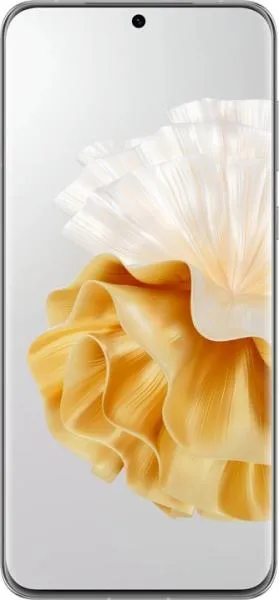
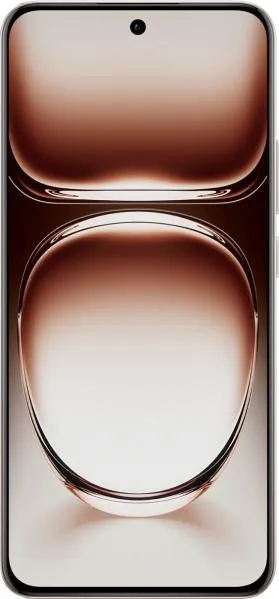
1. Specifications Comparison
| Feature | Huawei P60 Pro | Oppo Reno12 | Practical Impact |
|---|---|---|---|
| Design | |||
| Dimensions (mm) | 161 x 74.5 x 8.3 | 161.4 x 74.1 x 7.6 | Virtually identical in size and feel. |
| Weight (g) | 200 | 177 | Oppo Reno12 is noticeably lighter, improving one-handed use and reducing pocket bulk. |
| Display | |||
| Size (inches) | 6.67 | 6.7 | Negligible size difference. |
| Resolution (px) | 1220 x 2700 | 1080 x 2412 | P60 Pro offers a sharper display with higher pixel density (444 ppi vs 394 ppi), resulting in crisper text and images. |
| Technology | LTPO OLED | AMOLED | P60 Pro's LTPO panel allows for dynamic refresh rate adjustment, potentially saving battery. Both offer vibrant colors and deep blacks. |
| Refresh Rate (Hz) | 120 | 120 | Both offer smooth scrolling and animations. |
| Performance | |||
| Chipset | Snapdragon 8+ Gen 1 4G | Dimensity 7300 | P60 Pro's processor is generally more powerful, leading to faster app loading, smoother multitasking, and better gaming performance. |
| CPU | Octa-core (1x3.19 GHz...) | Octa-core (4x2.5 GHz...) | P60 Pro boasts a higher clock speed and more powerful core configuration, translating to a significant performance advantage. |
| GPU | Adreno 730 | Mali-G615 MC2 | P60 Pro's GPU offers significantly better graphics performance for demanding games and applications. |
| RAM (GB) | 8/12 | 12/16 | Reno12 offers higher RAM configurations, beneficial for heavy multitasking. However, P60 Pro's more powerful processor might offset this in real-world use. |
| Camera | |||
| Main Camera (MP) | 48 | 50 | While Reno12 has a higher megapixel count, P60 Pro's larger sensor (1/1.4") and wider aperture (f/1.4) likely result in superior low-light performance and depth of field. |
| Telephoto | 48 MP (Periscope) | None specified | P60 Pro offers superior zoom capabilities thanks to its dedicated periscope telephoto lens. |
| Battery | |||
| Capacity (mAh) | 4815 | 5000 | Reno12 has a slightly larger battery capacity, potentially offering longer battery life. |
| Fast Charging | 88W | 80W | Both offer fast charging, with P60 Pro being slightly faster. |
2. Key Differences Analysis
Huawei P60 Pro Advantages:
- Superior Performance: Significantly faster processor and GPU for demanding tasks and gaming.
- Better Display: Sharper screen with LTPO technology for potential power savings.
- Advanced Camera System: Larger main sensor, wider aperture, and dedicated periscope telephoto lens.
Oppo Reno12 Advantages:
- Lower Price: Significantly more affordable.
- Larger Battery: Potentially longer battery life.
- Higher RAM Options: Better for extreme multitasking.
- 5G Connectivity: Reno12 supports 5G, while P60 Pro is limited to 4G. This is a crucial difference for future-proofing and faster data speeds.
Trade-offs:
- P60 Pro: Higher price for superior performance and camera. Lack of 5G connectivity is a significant drawback.
- Reno12: Lower performance and camera capabilities for a more affordable price.
3. User Profiles & Recommendations
Huawei P60 Pro: Ideal for users who prioritize performance, camera quality, and a premium display. Suitable for demanding tasks, gaming, and photography enthusiasts.
Oppo Reno12: Ideal for budget-conscious users who need a reliable phone with good battery life and a decent camera. Suitable for everyday tasks, social media, and casual gaming. Excellent choice for those who need 5G connectivity.
4. Decision Framework
Key Questions:
- What is your budget? The P60 Pro is significantly more expensive.
- What are your primary use cases? Gaming and photography benefit from the P60 Pro's capabilities.
- How important is 5G connectivity? This is a major differentiator, crucial for future-proofing.
Scenario-Based Recommendations:
- Heavy user, gamer, photographer with a high budget: P60 Pro (if 4G limitation is acceptable)
- Budget-conscious user, everyday tasks, social media: Oppo Reno12
- User who needs the fastest possible mobile data speeds: Oppo Reno12
My Choice: Oppo Reno12
While the Huawei P60 Pro boasts superior performance and camera capabilities, the lack of 5G is a deal-breaker for me. In today's rapidly evolving technological landscape, 5G connectivity is essential for future-proofing and taking advantage of faster data speeds. The Oppo Reno12 offers excellent value for its price, with a good balance of performance, battery life, and features, including crucial 5G support. The price difference is significant enough to justify the trade-off in peak performance for the majority of users. Unless professional photography or high-end gaming are top priorities and 4G is acceptable, the Reno12 offers a more compelling overall package.
