1. Specifications Comparison
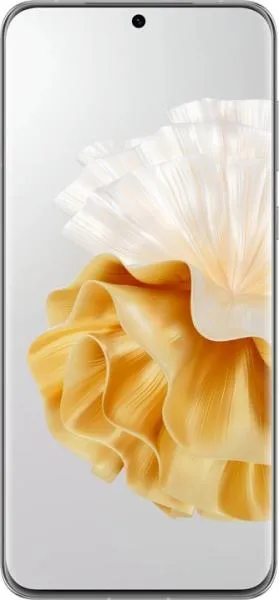
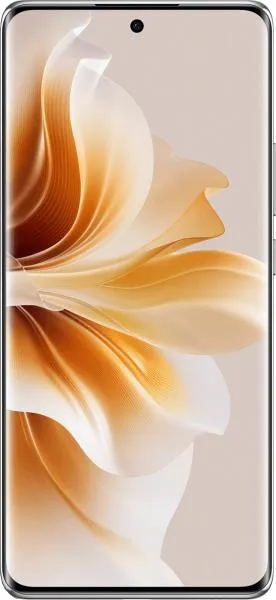
| Feature | Huawei P60 Pro | Oppo Reno11 | Practical Impact |
|---|---|---|---|
| Design | |||
| Dimensions (mm) | 161 x 74.5 x 8.3 | 162.4 x 74.3 x 7.9 | P60 Pro slightly shorter and thinner. Negligible difference in daily use. |
| Weight (g) | 200 | 182 | Reno11 noticeably lighter, reducing hand fatigue during extended use. |
| Build Material | Missing | Missing | Cannot compare build quality and durability. |
| Display | |||
| Display Type | LTPO OLED | AMOLED | Both offer excellent contrast and deep blacks. P60 Pro's LTPO panel allows for dynamic refresh rate adjustment, potentially saving battery. |
| Size (inches) | 6.67 | 6.7 | Virtually identical screen sizes. |
| Resolution | 1220 x 2700 | 1080 x 2412 | P60 Pro has a sharper display due to higher resolution, resulting in crisper text and images. |
| Refresh Rate (Hz) | 120 | 120 | Both offer smooth scrolling and animations. |
| Peak Brightness (nits) | Missing | 950 | Cannot compare peak brightness for outdoor visibility. |
| Performance | |||
| Chipset | Snapdragon 8+ Gen 1 4G (4nm) | Dimensity 7050 (6nm) | P60 Pro boasts a significantly more powerful processor, resulting in smoother multitasking, faster app loading, and better gaming performance. |
| CPU | Octa-core (1x3.19 GHz X2 & 3x2.75 GHz A710 & 4x2.0 GHz A510) | Octa-core (2x2.6 GHz A78 & 6x2.0 GHz A55) | P60 Pro's CPU architecture is more powerful and efficient. |
| GPU | Adreno 730 | Mali-G68 MC4 | P60 Pro's GPU offers superior graphics rendering for demanding games and applications. |
| RAM (GB) | 8/12 | 8/12 | RAM options are comparable, impacting multitasking capabilities. |
| Camera | |||
| Main Camera (MP) | 48 MP (Sony IMX888) | 50 MP (Sony LYT-600) | Both have high-resolution sensors. Sensor quality and image processing will ultimately determine real-world photo quality, which cannot be fully assessed from specs alone. |
| Telephoto | 48 MP (Omnivision) with 3.5x Optical Zoom | 32 MP (Sony IMX709) with unspecified optical zoom | P60 Pro offers potentially higher resolution telephoto images and confirmed optical zoom. |
| Ultrawide (MP) | 13 MP | 8 MP | P60 Pro offers a higher resolution ultrawide camera. |
| Video Recording | Up to 4K@60fps with EIS | Up to 4K@30fps with EIS | P60 Pro supports higher resolution and frame rate video recording. |
| Battery | |||
| Capacity (mAh) | 4815 | 5000/4800 (Conflicting Information) | Reno11 likely has slightly larger battery capacity, but real-world battery life depends on optimization and usage patterns. |
| Fast Charging | 88W wired, 50W Wireless | 67W wired | P60 Pro offers significantly faster wired and wireless charging. |
2. Key Differences Analysis
Huawei P60 Pro Advantages:
- Superior Performance: Significantly more powerful processor and GPU.
- Sharper Display: Higher resolution for crisper visuals.
- Faster Charging: Significantly faster wired and wireless charging.
- Potentially Better Camera System: Higher resolution telephoto and ultrawide sensors, higher resolution and frame rate video recording capabilities, although real-world performance depends on factors beyond specifications.
Oppo Reno11 Advantages:
- Lighter Weight: Noticeably lighter for comfortable handling.
- Potentially Longer Battery Life: Slightly larger battery capacity (though conflicting information necessitates caution).
- Lower Price: Positioned in a lower price range.
- 5G Connectivity: Offers 5G, while the P60 Pro is limited to 4G.
3. User Profiles & Recommendations
Huawei P60 Pro: Ideal for users who prioritize performance, a high-quality display, fast charging, and are willing to pay a premium. Best for demanding tasks like gaming, video editing, and photography enthusiasts. Use Cases: Mobile gaming, content creation, low-light photography.
Oppo Reno11: Ideal for users who prioritize affordability, battery life, and a lightweight design. Suitable for everyday tasks like social media, web browsing, and casual photography. Use Cases: General everyday use, extended battery life needs.
4. Decision Framework
Key Questions:
- What is your budget? The P60 Pro is significantly more expensive.
- What are your primary smartphone usage patterns? Demanding tasks require the P60 Pro's power.
- Do you require 5G connectivity? This is only offered by the Reno11.
My Choice: Huawei P60 Pro
Reasoning: While the Oppo Reno11 offers a compelling price-to-value ratio, the P60 Pro's significantly superior performance, sharper display, and faster charging outweigh the price difference for me. I prioritize a smooth and responsive user experience, and the P60 Pro's powerful hardware delivers that. The lack of 5G in the P60 Pro is a drawback, but 4G speeds are sufficient for my current needs. The Reno11's lighter weight and potentially longer battery life are attractive, but not enough to sway me from the P60 Pro's overall superior package. Ultimately, my choice reflects a prioritization of performance and premium features over cost savings.
