1. Specifications Comparison
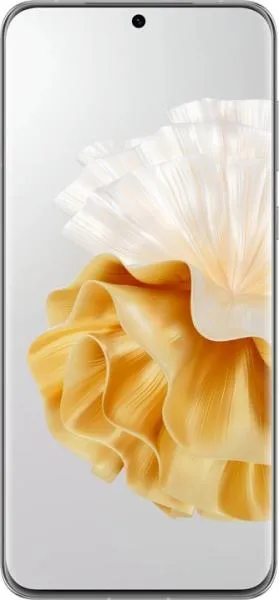
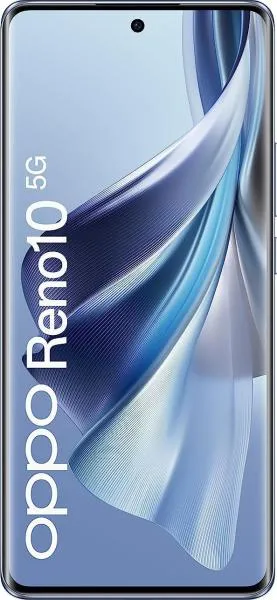
| Feature | Huawei P60 Pro | Oppo Reno10 | Practical Impact |
|---|---|---|---|
| Design | |||
| Dimensions (mm) | 161 x 74.5 x 8.3 | 162.4 x 74.2 x 8 | P60 Pro slightly shorter and narrower, almost identical thickness. Negligible real-world difference. |
| Weight (g) | 200 | 185 | Reno10 noticeably lighter (15g), improving one-handed use and portability. |
| Build | Unspecified | Unspecified | Build materials and durability cannot be compared without more information. |
| Display | |||
| Display Type | LTPO OLED | AMOLED | P60 Pro's LTPO OLED allows for dynamic refresh rate adjustment (1-120Hz), saving battery while maintaining smoothness. Reno10 has a fixed 120Hz refresh rate. |
| Size (inches) | 6.67 | 6.7 | Virtually identical screen sizes. |
| Resolution | 1220 x 2700 | 1080 x 2412 | P60 Pro offers significantly sharper visuals due to higher resolution (444 ppi vs 394 ppi). |
| HDR | No Dolby Vision, HDR10/10+ unspecified | HDR10+ | Reno10 supports HDR10+ for enhanced dynamic range in compatible content. HDR capabilities of P60 Pro unclear. |
| Peak Brightness | Unspecified | 950 nits | Reno10's higher peak brightness ensures better visibility in direct sunlight. P60 Pro's peak brightness unknown. |
| Performance | |||
| Chipset | Snapdragon 8+ Gen 1 4G (4nm) | Dimensity 7050 (6nm) | P60 Pro's Snapdragon chip offers significantly better CPU and GPU performance, leading to smoother multitasking, gaming, and faster app loading. |
| RAM | 8/12GB | 8GB | P60 Pro offers a 12GB RAM option for even more demanding multitasking. |
| OS | Unspecified | Android 13 | No comparison possible without P60 Pro OS information. |
| Camera | |||
| Main Camera | 48MP, f/1.4, Sony IMX888 | 64MP, f/1.7, Omnivision OV64B | While Reno10 has higher resolution, P60 Pro's larger sensor (1/1.4") and wider aperture (f/1.4) suggest better low-light performance and depth of field. DxOMark score of 156 for P60 Pro supports this. |
| Telephoto | 48MP, f/2.1, 3.5x Optical Zoom | 32MP, f/2.0, Optical zoom unspecified | P60 Pro offers higher resolution and specified optical zoom, suggesting superior zoom capabilities. |
| Ultrawide | 13MP, f/2.2 | 8MP, f/2.2 | P60 Pro's ultrawide offers higher resolution. |
| Battery | |||
| Capacity | 4815 mAh | 5000 mAh | Reno10 has a slightly larger battery capacity, potentially offering longer battery life. |
| Charging | 88W Wired, 50W Wireless | 67W Wired | P60 Pro offers faster wired and wireless charging. |
2. Key Differences Analysis
Huawei P60 Pro Advantages:
- Superior Performance: Significantly more powerful processor for demanding tasks and gaming.
- Sharper Display: Higher resolution and LTPO technology for a smoother, more detailed visual experience.
- Better Camera System: Larger main sensor, wider aperture, and confirmed telephoto capabilities likely resulting in superior image quality, particularly in low light and zoom scenarios. DxOMark score confirms excellent camera performance.
- Faster Charging: Significantly faster wired and wireless charging.
Oppo Reno10 Advantages:
- Lower Price: Significantly more affordable.
- Larger Battery: Potentially longer battery life.
- Lighter Weight: More comfortable for extended use and one-handed operation.
- Confirmed HDR10+ Support: Improved dynamic range in compatible content.
Trade-offs:
- P60 Pro: Higher price, potentially shorter battery life. Missing OS information is a significant limitation. Lack of 5G could be a major drawback for some.
- Reno10: Lower performance, less sharp display, potentially less capable camera system, slower charging.
3. User Profiles & Recommendations
Huawei P60 Pro: Users who prioritize performance, camera quality, and a premium display experience, and are willing to pay a premium. Ideal for photography enthusiasts, mobile gamers, and power users.
Oppo Reno10: Budget-conscious users who prioritize battery life and a good overall experience. Suitable for everyday tasks, social media, casual gaming, and content consumption.
4. Decision Framework
Key Questions:
- What is your budget? The P60 Pro is significantly more expensive.
- What are your primary use cases? Gaming, photography, and demanding tasks benefit from the P60 Pro's performance. Everyday use, social media, and casual gaming are well-handled by the Reno10.
- Do you need 5G connectivity? The P60 Pro lacks 5G, which is a significant factor for future-proofing.
Scenario-Based Recommendations:
- Heavy user, photographer, gamer: P60 Pro (if 4G limitation and price are acceptable).
- Budget-conscious, moderate user: Oppo Reno10.
My Choice:
I would choose the Oppo Reno10. While the P60 Pro boasts superior performance and camera capabilities, the lack of 5G and the significantly higher price are major drawbacks for me. The Reno10 offers a well-rounded package with a good display, long battery life, and decent performance for everyday tasks at a much more affordable price. The missing OS details and the lack of 5G on the P60 Pro make it a risky choice despite its strengths. The Reno10 provides better value for its price, and 5G connectivity is crucial for long-term usability.
