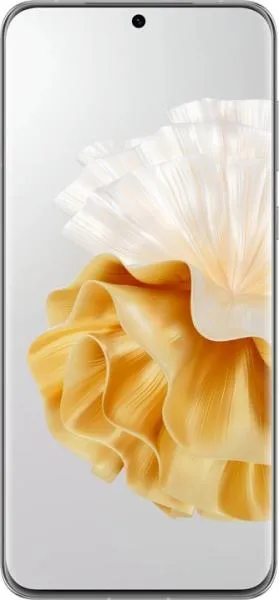
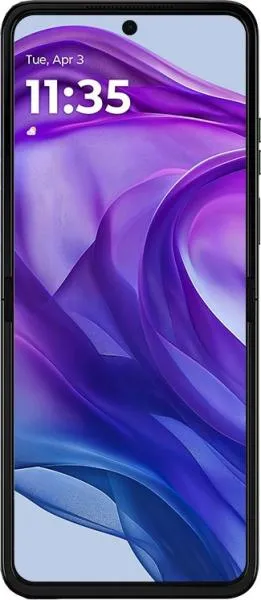
1. Specifications Comparison
| Feature | Huawei P60 Pro | Motorola Razr 50 Ultra | Practical Impact |
|---|---|---|---|
| Design | |||
| Dimensions (mm) | 161 x 74.5 x 8.3 | 171.4 x 74 x 7.1 | Razr 50 Ultra is taller and thinner, but noticeably thicker when folded. P60 Pro is more pocketable in traditional sense. |
| Weight (g) | 200 | 189 | Negligible weight difference in practical use. |
| Foldable | No | Yes | Razr's foldable design offers unique portability and a smaller external display for quick interactions. |
| Display | |||
| Size (inches) | 6.67 | 6.9 | Razr offers a slightly larger main screen. |
| Resolution (px) | 1220 x 2700 | 1080 x 2640 | P60 Pro has a sharper display (444 ppi vs 413 ppi), resulting in crisper text and images. |
| Type | LTPO OLED | Foldable LTPO AMOLED | Both are high-quality displays. Razr's folding capability introduces a potential crease and durability concerns. P60 Pro's LTPO provides better power efficiency. |
| Refresh Rate (Hz) | 120 | 165 | Razr's higher refresh rate provides smoother animations and scrolling, especially beneficial for gaming. |
| HDR | No Dolby Vision | Dolby Vision, HDR10+ | Razr supports wider HDR standards for enhanced video content viewing. |
| Performance | |||
| Chipset | Snapdragon 8+ Gen 1 4G | Snapdragon 8s Gen 3 | Razr has a slightly newer processor, potentially offering minor performance improvements. However, real-world difference might be negligible. |
| CPU | Octa-core (1x3.19 GHz X2 & 3x2.75 GHz A710 & 4x2.0 GHz A510) | Octa-core (1x3.0 GHz X4 & 4x2.8 GHz A720 & 3x2.0 GHz A520) | Both offer top-tier performance. Architectural differences might favor Razr in sustained performance, but needs real-world benchmarks to confirm. |
| GPU | Adreno 730 | Adreno 735 | Razr has a slightly better GPU, potentially offering marginal improvements in graphics-intensive tasks. |
| RAM (GB) | 8/12 | 12 | Razr offers more RAM in the compared variant, improving multitasking and app loading times. |
| Camera | |||
| Main Camera (MP) | 48 | 50 | Both have high-resolution main sensors. Image quality depends on sensor size, processing, and other factors not fully detailed here. |
| Telephoto | 48MP with 3.5x optical zoom | 50MP with 2x Optical Zoom | P60 Pro boasts a superior telephoto lens with significantly greater optical zoom. |
| Other Features | Variable Aperture | P60 Pro offers a unique variable aperture, allowing for more control over depth of field and light intake. | |
| Battery | |||
| Capacity (mAh) | 4815 | 4000 | P60 Pro has significantly larger battery capacity, likely translating to longer usage time. |
| Fast Charging (W) | 88 | 45 | P60 Pro supports much faster wired charging. |
| Wireless Charging (W) | 50 | 15 | P60 Pro supports significantly faster wireless charging. |
2. Key Differences Analysis
Huawei P60 Pro Advantages:
- Superior Battery Life: Larger battery and faster charging (both wired and wireless).
- Better Telephoto Capabilities: Significantly higher optical zoom.
- Sharper Display: Higher pixel density.
- Variable Aperture: Offers unique creative control for photography.
Motorola Razr 50 Ultra Advantages:
- Foldable Design: Unique form factor for portability.
- Higher Refresh Rate Display: Smoother visuals.
- Wider HDR Support: Better video viewing experience.
- Slightly Newer Chipset and GPU: Potential for marginal performance gains.
- More RAM: Improved multitasking in the compared variant.
3. User Profiles & Recommendations
Huawei P60 Pro: Ideal for users prioritizing battery life, camera quality (especially zoom), and a classic smartphone experience. Suitable for photography enthusiasts, power users, and those who consume a lot of media.
Motorola Razr 50 Ultra: Ideal for users who value portability and a unique, modern design. The foldable form factor and external display cater to those seeking a compact device for quick interactions. Suitable for trendsetters, early adopters, and users who prioritize portability over ultimate performance or battery life.
4. Decision Framework
Key Questions for Buyers:
- How important is portability? A foldable phone like the Razr offers a unique advantage in this regard.
- What are your primary use cases? Photography enthusiasts will appreciate the P60 Pro's camera, while gamers might prefer the Razr's higher refresh rate display.
- What is your budget? The P60 Pro falls into a higher price range.
Scenario-Based Recommendations:
- Frequent Traveler: Razr 50 Ultra for its compact size.
- Photography Enthusiast: P60 Pro for its superior camera system, especially the telephoto lens.
- Power User: P60 Pro for its larger battery and performance.
- Budget-Conscious Buyer: Consider other options, as both phones are relatively expensive, but Razr 50 Ultra falls in a slightly lower price bracket.
My Choice: Huawei P60 Pro
While the Razr 50 Ultra's foldable design is intriguing, the P60 Pro's superior battery life, camera system (particularly the telephoto lens), and sharper display are more compelling to me. The variable aperture adds a unique photographic element. While the Razr boasts a newer chipset and higher refresh rate, the real-world performance differences are likely to be minimal. The P60 Pro's significantly larger battery capacity and faster charging speeds are crucial for my usage patterns. I prioritize a reliable, long-lasting device with a top-tier camera over the novelty of a foldable phone. The price difference, while significant, is justified by the P60 Pro's advantages in key areas that matter most to me.
