1. Specifications Comparison
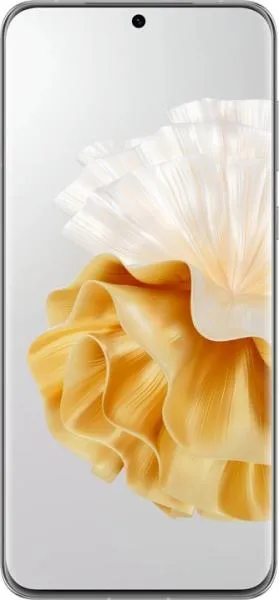
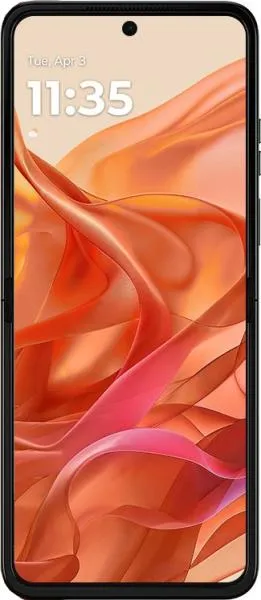
| Feature | Huawei P60 Pro | Motorola Razr 50 | Practical Impact |
|---|---|---|---|
| Design | |||
| Dimensions (mm) | 161 x 74.5 x 8.3 | 171.3 x 74 x 7.3 | Razr 50 is taller and slightly thinner when unfolded, but significantly thicker when folded due to its foldable design. P60 Pro is more pocketable in traditional sense. |
| Weight (g) | 200 | 188.4 | Negligible weight difference in practical use. |
| Foldable | No | Yes | Razr 50 offers a compact folded size for portability, but a larger screen when unfolded for media consumption and multitasking. |
| Display | |||
| Display Type | LTPO OLED | Foldable LTPO AMOLED | Both offer excellent color accuracy and power efficiency due to LTPO technology. Razr 50's foldable display introduces a crease but enables unique form factor. |
| Size (inches) | 6.67 | 6.9 | Razr 50 has a slightly larger display area when unfolded. |
| Resolution | 1220 x 2700 | 1080 x 2640 | P60 Pro boasts a sharper display with higher pixel density (444 ppi vs 413 ppi), resulting in crisper text and images. |
| Refresh Rate | 120Hz | 120Hz | Both offer smooth scrolling and animations. |
| Peak Brightness (nits) | Not specified | 3000 | Razr 50's higher peak brightness ensures better visibility in direct sunlight. Missing P60 Pro data limits full comparison. |
| Performance | |||
| Chipset | Snapdragon 8+ Gen 1 4G | MediaTek Dimensity 7300X | Snapdragon 8+ Gen 1 generally offers superior performance compared to Dimensity 7300X, especially in demanding tasks and gaming. |
| CPU | Octa-core (1x3.19 GHz X2 & 3x2.75 GHz A710 & 4x2.0 GHz A510) | Octa-core (4x2.5 GHz A78 & 4x2.0 GHz A55) | P60 Pro's CPU architecture, featuring a Cortex-X2 core, should deliver faster single-core performance. |
| GPU | Adreno 730 | Mali-G615 MC2 | Adreno 730 provides a significant advantage in graphics performance, leading to smoother gaming and faster rendering. |
| RAM | 8GB | 8/12GB | Both offer sufficient RAM for most tasks, though Razr 50 offers a 12GB option for even more demanding users. |
| Camera | |||
| Main Camera | 48MP, f/1.4 | 50MP, f/1.8 | P60 Pro's wider aperture (f/1.4) allows for better low-light performance and shallower depth of field. |
| Telephoto | 48MP, f/2.1, 3.5x optical zoom | None | P60 Pro offers superior zoom capabilities. Razr 50 lacks a dedicated telephoto lens. |
| DXOMARK Score | 156 | 92 | P60 Pro significantly outperforms Razr 50 in overall camera quality according to DXOMARK. However, user experience may vary. |
| Battery | |||
| Capacity | 4815 mAh | 4200 mAh | P60 Pro offers a larger battery capacity, potentially translating to longer battery life. |
| Fast Charging | 88W | 30W | P60 Pro charges significantly faster. |
2. Key Differences Analysis
Huawei P60 Pro Advantages:
- Superior Performance: The Snapdragon 8+ Gen 1 provides a noticeable performance advantage for demanding tasks and gaming.
- Better Camera System: Higher resolution telephoto lens with optical zoom and wider aperture main lens results in better image quality, especially in low light and zoom scenarios. Higher DXOMARK score supports this.
- Larger Battery: Offers potentially longer battery life.
- Faster Charging: Significantly reduces charging time.
- Sharper Display: Higher pixel density leads to a crisper viewing experience.
Motorola Razr 50 Advantages:
- Foldable Design: Offers unique portability and a larger screen when unfolded.
- More Affordable: Positioned in a lower price range.
- Brighter Display: Better visibility outdoors (based on available specs).
- 5G Connectivity: Supports faster cellular data speeds. P60 Pro is limited to 4G.
3. User Profiles & Recommendations
Huawei P60 Pro: Ideal for users who prioritize performance, camera quality, and battery life. Suitable for power users, mobile gamers, and photography enthusiasts.
Motorola Razr 50: Best suited for users who value portability and a unique form factor above raw performance. Appealing to those seeking a compact phone for easy carrying and a larger screen for media consumption when needed.
4. Decision Framework
Key Questions for Buyers:
- Is a foldable design a priority? If yes, the Razr 50 is the only option.
- How important is raw performance and camera quality? If crucial, the P60 Pro is the clear winner.
- What is your budget? The Razr 50 offers a more affordable price point.
Scenario-Based Recommendations:
- Heavy user, gamer, photographer: P60 Pro
- Style-conscious user prioritizing portability: Razr 50
- Budget-conscious user with moderate needs: Razr 50
My Choice: Huawei P60 Pro
While the Razr 50's foldable design is intriguing, the P60 Pro's superior performance, camera system, and battery life are more compelling to me. I prioritize a smooth user experience, excellent photography capabilities, and long battery life. The faster charging is also a significant advantage. The lack of 5G in the P60 Pro is a drawback, but 4G speeds are sufficient for my current needs. Ultimately, the P60 Pro offers a more well-rounded package for my usage pattern. The price difference is significant, but the performance gap justifies the premium for my needs.
