1. Specifications Comparison
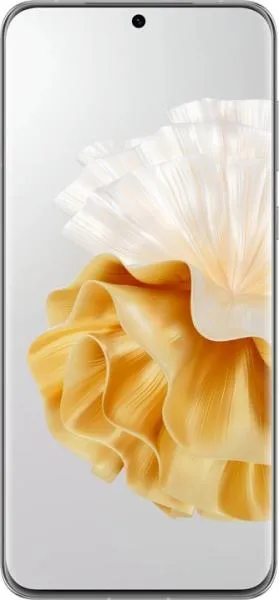
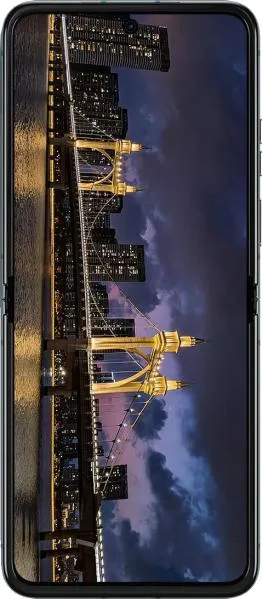
| Feature | Huawei P60 Pro | Motorola Razr 40 Ultra | Practical Impact |
|---|---|---|---|
| Design | |||
| Dimensions (mm) | 161 x 74.5 x 8.3 | 170.8 x 74 x 7 | Razr 40 Ultra is taller and significantly thinner when folded, making it more pocketable. P60 Pro is a more traditional slab design. |
| Weight (g) | 200 | 184.5 | Razr 40 Ultra is slightly lighter despite its larger main display. |
| Foldable | No | Yes | Razr's foldable design offers a larger screen in a smaller footprint, but introduces potential durability concerns. |
| Display | |||
| Display Type | LTPO OLED | Foldable LTPO AMOLED | Both offer excellent color and contrast with power-saving LTPO technology. Razr's folding display is unique but may have a crease. |
| Size (inches) | 6.67 | 6.9 | Razr offers a larger main display for immersive content consumption. |
| Resolution | 1220 x 2700 | 1080 x 2640 | P60 Pro has a slightly sharper display due to higher pixel density. |
| Refresh Rate (Hz) | 120 | 165 | Razr's higher refresh rate provides smoother animations and scrolling, beneficial for gaming and fast-paced content. |
| External Display | N/A | Yes | Razr's external display allows for quick interactions without unfolding, a significant advantage for usability. |
| Performance | |||
| Chipset | Snapdragon 8+ Gen 1 4G | Snapdragon 8+ Gen 1 | Nearly identical performance, though Razr may have slightly better efficiency due to CPU core clock speed differences. |
| RAM (GB) | 8/12 | 8/12 | Both offer ample RAM for multitasking. |
| OS | Unknown | Android 13 | Lack of OS information for the P60 Pro makes comparison difficult. Razr runs on a current Android version with guaranteed updates to 16. |
| Camera | |||
| Main Camera (MP) | 48 | 12 | P60 Pro boasts a significantly higher resolution main sensor, potentially capturing more detail. However, megapixels alone don't determine image quality. |
| Telephoto | Yes | No | P60 Pro offers optical zoom for better image quality at longer distances. |
| Ultrawide | Yes | Yes | Both have ultrawide lenses for expansive shots. |
| DXOMark Score | 156 | Not Available | P60 Pro's high DXOMark score suggests excellent camera performance. Lack of score for Razr makes direct comparison impossible. |
| Battery | |||
| Capacity (mAh) | 4815 | 3800 | P60 Pro has a larger battery, likely providing longer battery life. |
| Fast Charging (W) | 88 | 30 | P60 Pro offers significantly faster charging. |
2. Key Differences Analysis
Huawei P60 Pro Advantages:
- Superior Camera System: Higher resolution main sensor and telephoto lens, along with a high DXOMark score, point to potentially better image quality.
- Longer Battery Life: Larger battery capacity suggests longer usage time between charges.
- Faster Charging: Significantly faster wired charging speeds.
- Sharper Display: Higher pixel density leads to a slightly sharper display.
Motorola Razr 40 Ultra Advantages:
- Innovative Foldable Design: Offers a large screen in a compact, pocketable form factor.
- Higher Refresh Rate Display: Smoother and more responsive visual experience.
- External Display: Enables quick interactions without unfolding.
- Lower Price: Positioned in a lower price range, offering potentially better value.
- Confirmed Software Support: Guaranteed Android updates provide longer-term usability and security.
Trade-offs:
- P60 Pro: Lacks confirmed OS details, potentially impacting software updates and app availability. Higher price. Traditional slab design.
- Razr 40 Ultra: Smaller battery capacity. Slower charging. Lower resolution main camera. Foldable display introduces potential durability concerns and crease visibility.
3. User Profiles & Recommendations
Huawei P60 Pro: Ideal for users prioritizing camera quality, battery life, and a traditional smartphone experience. Best for photography enthusiasts, power users, and those who value a sharp display.
Motorola Razr 40 Ultra: Suited for users who value portability and innovation. Best for those who want a large screen in a compact device, prioritize quick interactions via the external display, and embrace new technology.
4. Decision Framework
Key Questions for Buyers:
- How important is camera quality? If photography is a top priority, the P60 Pro's advanced camera system is compelling.
- Do you prioritize portability or battery life? The Razr 40 Ultra offers unmatched portability, while the P60 Pro boasts a larger battery.
- Are you comfortable with a foldable phone? Consider the potential durability trade-offs and crease visibility of the Razr's foldable screen.
My Choice: Huawei P60 Pro
While the Razr 40 Ultra's foldable design is intriguing, the P60 Pro's superior camera system, longer battery life, faster charging, and sharper display are more important to me. The lack of clear OS information is a concern, but assuming it runs a recent version of EMUI, the overall package offered by the P60 Pro aligns better with my priorities for a powerful and reliable smartphone. I value image quality and battery life highly, and I am willing to pay a premium for these features. The Razr's portability is tempting, but the trade-offs in camera and battery are too significant for my personal use case. I also prefer a traditional slab design for its perceived durability.
