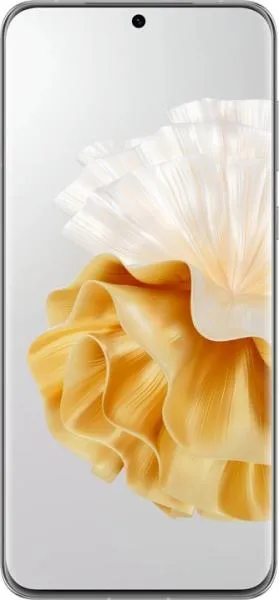
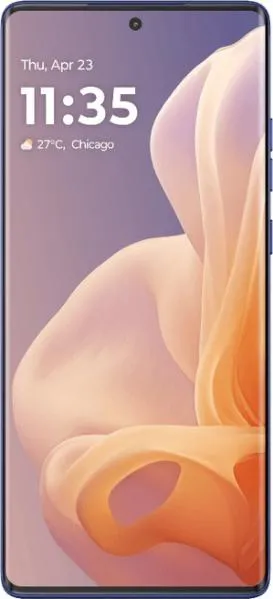
1. Specifications Comparison
| Feature | Huawei P60 Pro | Motorola Moto G85 | Practical Impact |
|---|---|---|---|
| Design | |||
| Dimensions (mm) | 161 x 74.5 x 8.3 | 161.9 x 73.1 x 7.6 | P60 Pro slightly shorter and narrower, both slim. Negligible difference in daily use. |
| Weight (g) | 200 | 171 | Moto G85 noticeably lighter, reducing hand fatigue during extended use. |
| Build | No data | No data | Build quality and materials unknown, impacting durability and premium feel. |
| Display | |||
| Type | LTPO OLED | P-OLED | Both offer vibrant colors and deep blacks. LTPO allows for dynamic refresh rate, potentially saving battery on the P60 Pro. |
| Size (inches) | 6.67 | 6.67 | Identical screen sizes. |
| Resolution | 1220 x 2700 | 1080 x 2400 | P60 Pro has a sharper display, noticeable in text clarity and image detail. |
| Refresh Rate (Hz) | 120 | 120 | Both offer smooth scrolling and animations. |
| Peak Brightness (nits) | No data | 1600 | Moto G85's higher peak brightness improves outdoor visibility. Missing data for P60 Pro prevents full comparison. |
| Performance | |||
| Chipset | Snapdragon 8+ Gen 1 4G | Snapdragon 6s Gen 3 | P60 Pro significantly more powerful, enabling demanding gaming and multitasking. Moto G85 suited for everyday tasks. |
| CPU | Octa-core (1x3.19 GHz X2 & 3x2.75 GHz A710 & 4x2.0 GHz A510) | Octa-core (2x2.3 GHz A78 & 6x2.0 GHz A55) | P60 Pro's superior CPU architecture and clock speeds provide much faster processing. |
| GPU | Adreno 730 | Adreno 619 | P60 Pro's GPU offers significantly better graphics performance for gaming and media consumption. |
| RAM (GB) | 8/12 | 8/12 | Both offer ample RAM for smooth multitasking, depending on the chosen variant. |
| Camera | |||
| Main Camera (MP) | 48 | 50 | Megapixel count doesn't tell the whole story. P60 Pro's larger sensor (1/1.4") likely captures more light and detail, especially in low light. |
| Telephoto | Yes (48MP) | No | P60 Pro offers optical zoom for capturing distant subjects without quality loss. |
| Ultrawide | Yes (13MP) | Yes (8MP) | Both have ultrawide, but P60 Pro likely delivers higher quality. |
| Video | Up to 4K@60fps with EIS | Up to 1080p@60fps | P60 Pro offers higher resolution video recording and potentially better stabilization. |
| DxOMark Score | 156 | 88 | P60 Pro significantly higher rated for overall camera quality by DxOMark. |
| Battery | |||
| Capacity (mAh) | 4815 | 5000 | Moto G85 has slightly larger battery capacity. |
| Fast Charging | 88W | 30W | P60 Pro charges significantly faster. |
2. Key Differences Analysis
Huawei P60 Pro Advantages:
- Significantly more powerful: Superior chipset and GPU for demanding tasks and gaming.
- Sharper display: Higher resolution for clearer visuals.
- Superior camera system: Higher quality sensors, optical zoom, and higher DxOMark score.
- Faster charging: 88W fast charging for minimal downtime.
- LTPO Display: More power efficient.
Motorola Moto G85 Advantages:
- Lighter weight: More comfortable for extended use.
- Slightly larger battery: Potentially longer battery life, though impacted by less efficient display.
- Lower price: Significantly more affordable.
- 5G connectivity: Future-proofed for faster cellular data speeds. P60 Pro only offers 4G.
3. User Profiles & Recommendations
Huawei P60 Pro: Users who prioritize performance, camera quality, a premium display, and fast charging. Suitable for:
- Power users: Demanding apps, multitasking, gaming.
- Photography enthusiasts: Capturing high-quality photos and videos.
Motorola Moto G85: Budget-conscious users who prioritize battery life, a large screen, and basic functionality. Suitable for:
- Casual users: Social media, web browsing, light gaming.
- Budget-minded buyers: Seeking maximum value for their money.
4. Decision Framework
Key Questions:
- What is your budget? The P60 Pro is significantly more expensive.
- What are your performance needs? Do you need the extra power of the P60 Pro, or is the Moto G85 sufficient?
- How important is camera quality? The P60 Pro offers a substantially better camera experience.
Scenario-Based Recommendations:
- Unlimited budget, demanding user: P60 Pro
- Budget-conscious, casual user: Moto G85
- Photographer on a budget: Consider older flagship phones with good cameras for potentially better value.
My Choice: Huawei P60 Pro
While the Motorola Moto G85 offers excellent value, I would choose the Huawei P60 Pro. The significantly superior performance, higher quality display, vastly better camera system, and incredibly fast charging outweigh the price difference for me. The lack of 5G in the P60 Pro is a drawback, but 4G speeds are still sufficient for most tasks. I prioritize a smooth, powerful user experience and excellent camera capabilities, which the P60 Pro delivers. The Moto G85 is a good budget option, but the P60 Pro is a true flagship experience. I acknowledge the lack of Google Mobile Services on Huawei devices might be a dealbreaker for some, but personally, I am willing to adapt to alternative app stores.
